
Welcoming All Hearts – Universal Harmony at Ajmer Sharif Dargah
Khwaja Gharib Nawaz (R.A.): A Timeless Message of Love, Humanity, Peace, and Unity

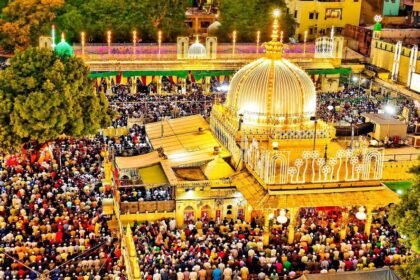
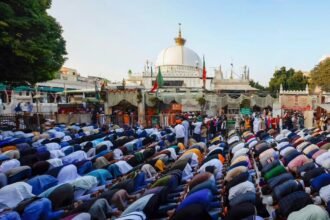
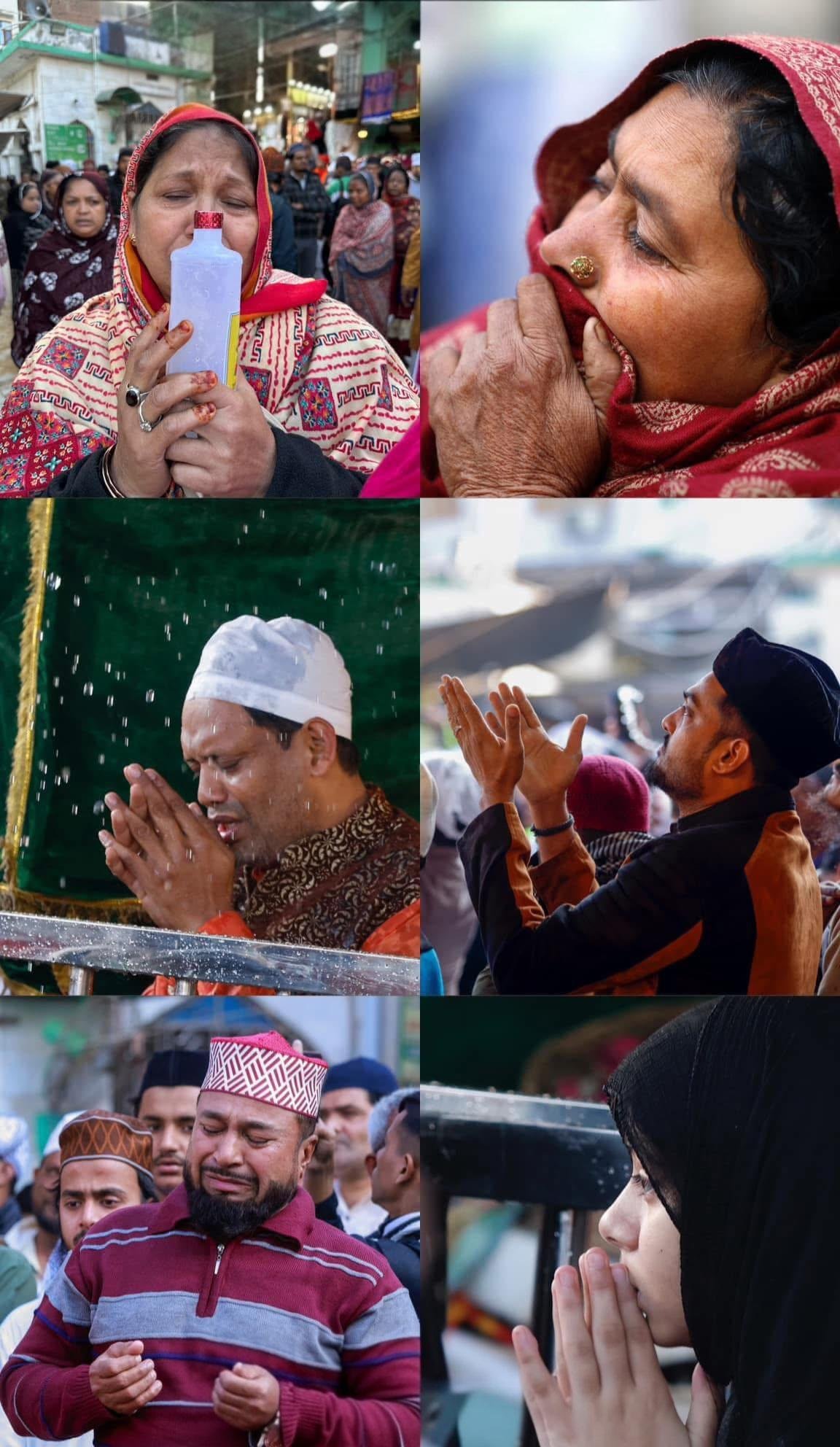
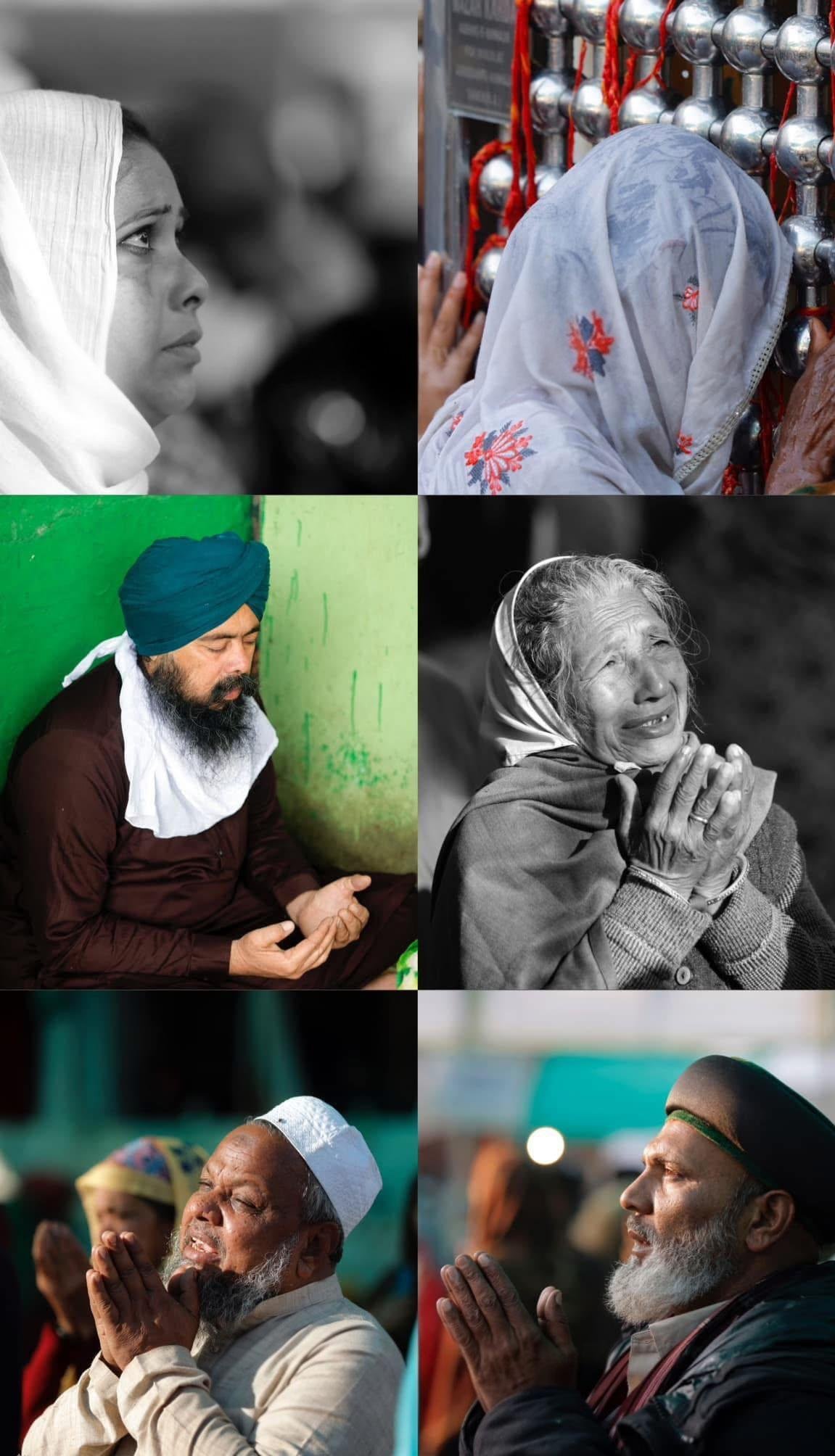
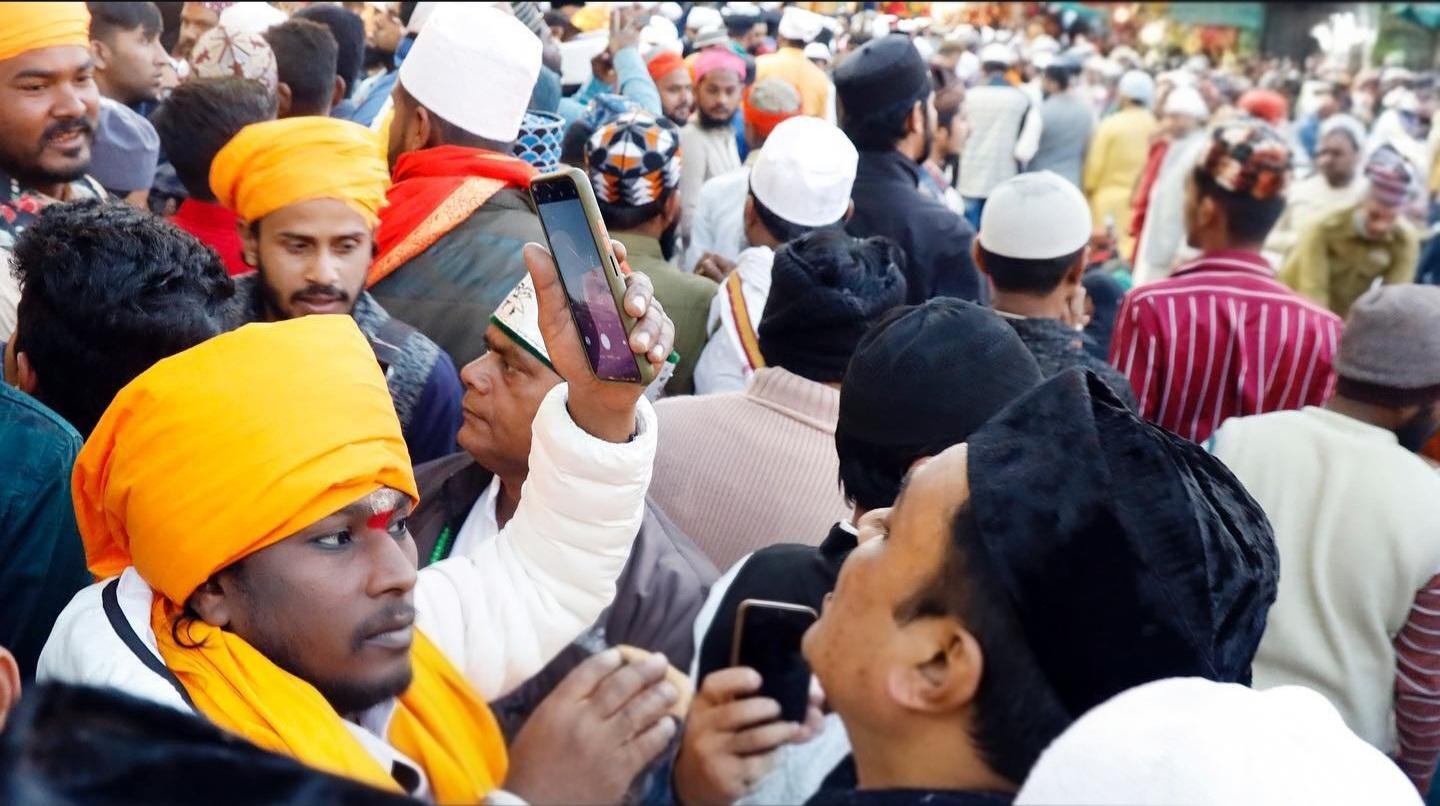
For hundreds of years, the sacred Darbar of Hazrat Khwaja Moinuddin Hasan Chishti, lovingly known as Khwaja Gharib Nawaz (R.A.), in Ajmer Sharif has stood as a magnificent symbol of love, compassion, humanity, and communal harmony. People belonging to different religions, faiths, cultures, and communities have been visiting this blessed shrine for generations, seeking spiritual comfort, inner peace, hope, and blessings. Hindu, Muslim, Sikh, Christian, and people from many other communities come to the Darbar of Khwaja Sahib with deep devotion, carrying their prayers, hopes, and aspirations. They come from different walks of life, speak different languages, follow different traditions, and worship according to their own beliefs, yet they find a common bond in the atmosphere of love, respect, and humanity that surrounds this sacred place. This enduring tradition reflects the universal message associated with Khwaja Gharib Nawaz (R.A.): that love has no boundaries, kindness has no religion, and humanity is greater than the divisions that separate people.
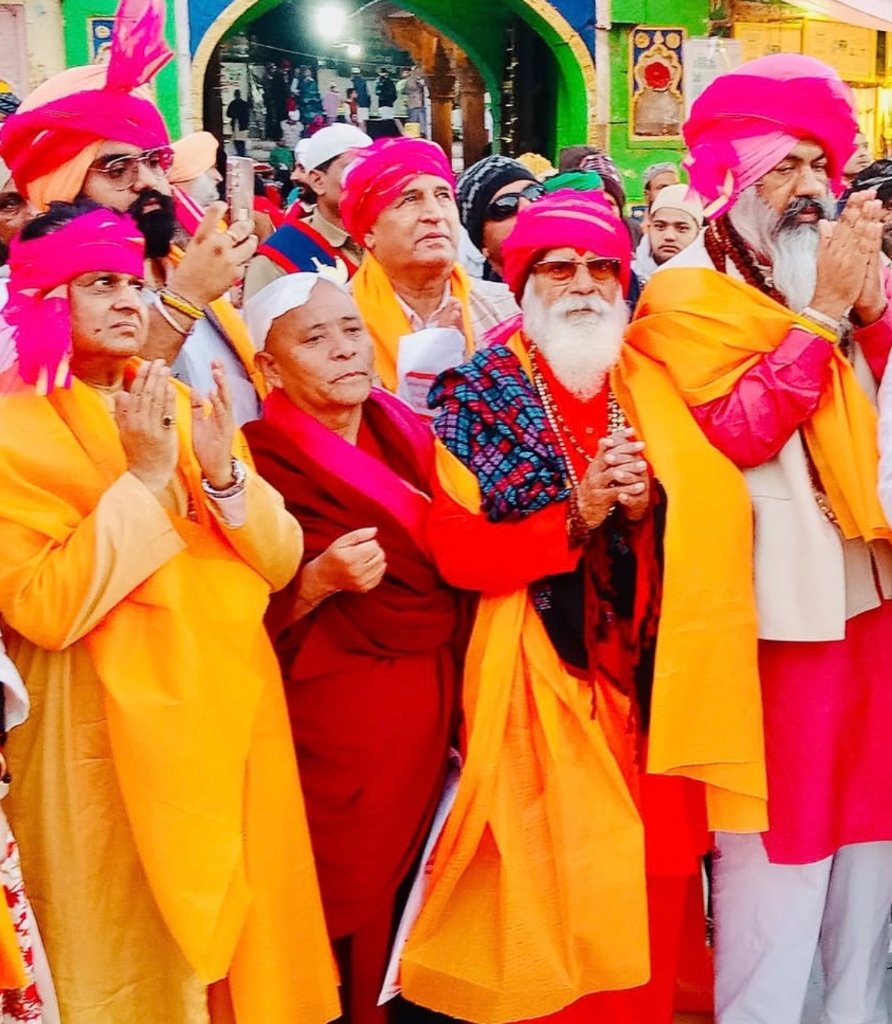
One of the most beautiful traditions associated with the Darbar Sharif is its Langar, a sacred expression of service, generosity, and compassion. The Langar served at the Darbar is vegetarian, and it represents the spirit of sharing food with everyone without discrimination. Food is not merely a means of satisfying hunger; it is also a powerful symbol of equality, dignity, and brotherhood. When people sit together or receive food from the same place, distinctions of wealth, status, caste, community, and social position become insignificant. The Langar reminds us that every human being deserves respect and that feeding someone who is hungry is among the noblest forms of service. The vegetarian Langar tradition at Ajmer Sharif carries a message of simplicity, compassion, and generosity, inviting people to experience the joy of giving and receiving with gratitude. It reflects a spirit in which the needs of the hungry are placed above social divisions and in which service to humanity becomes an expression of devotion.
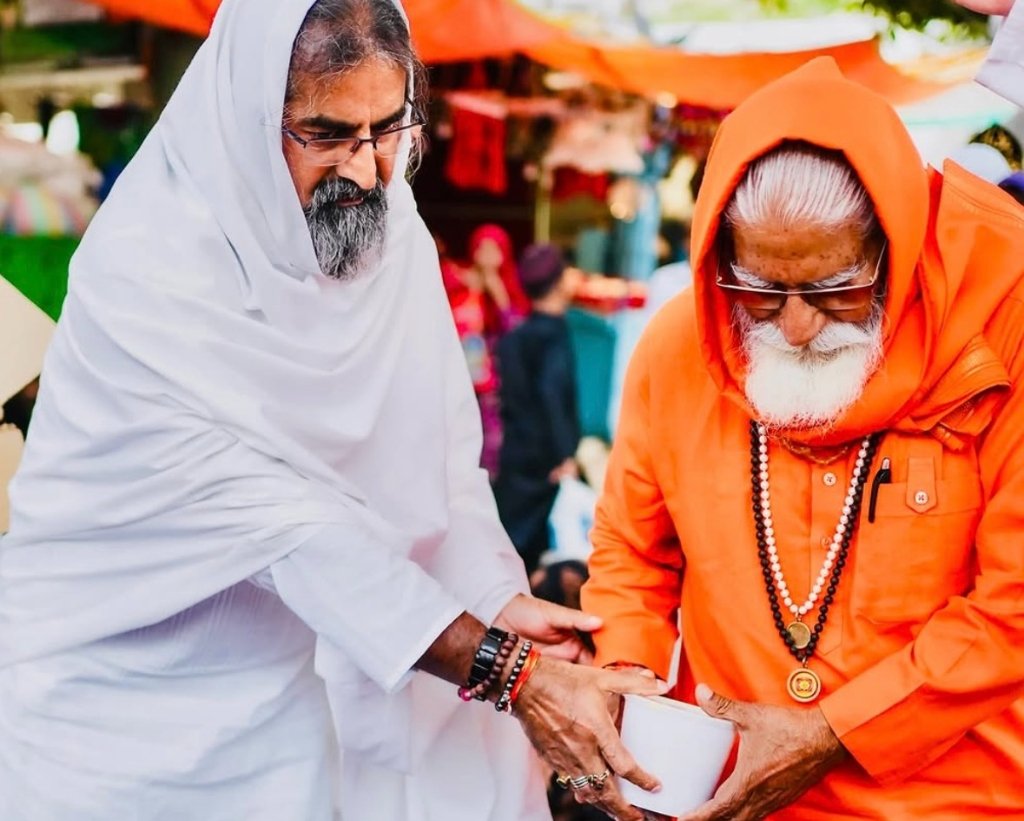
For generations, devotees have visited Khwaja Gharib Nawaz (R.A.) with their Mannats, or heartfelt vows and prayers. People come with hopes for peace in their families, success in their endeavours, relief from difficulties, prosperity, good fortune, and strength during challenging times. Many devotees express profound gratitude for the blessings and fulfilment they believe they have experienced after visiting the Darbar Sharif. For them, the shrine is a place of spiritual reassurance, where they can express their deepest emotions, share their worries, and renew their faith and hope. The experience of visiting Ajmer Sharif is deeply personal for every devotee, regardless of religious identity. Some come to offer prayers, some come to express gratitude, and others come simply to find peace and comfort. The sacred atmosphere gives countless people a sense of belonging and reminds them that hope, faith, and compassion can help individuals face life’s greatest challenges. The significance of the Darbar lies not only in the fulfilment of individual prayers but also in the spirit of love and understanding that brings people together.
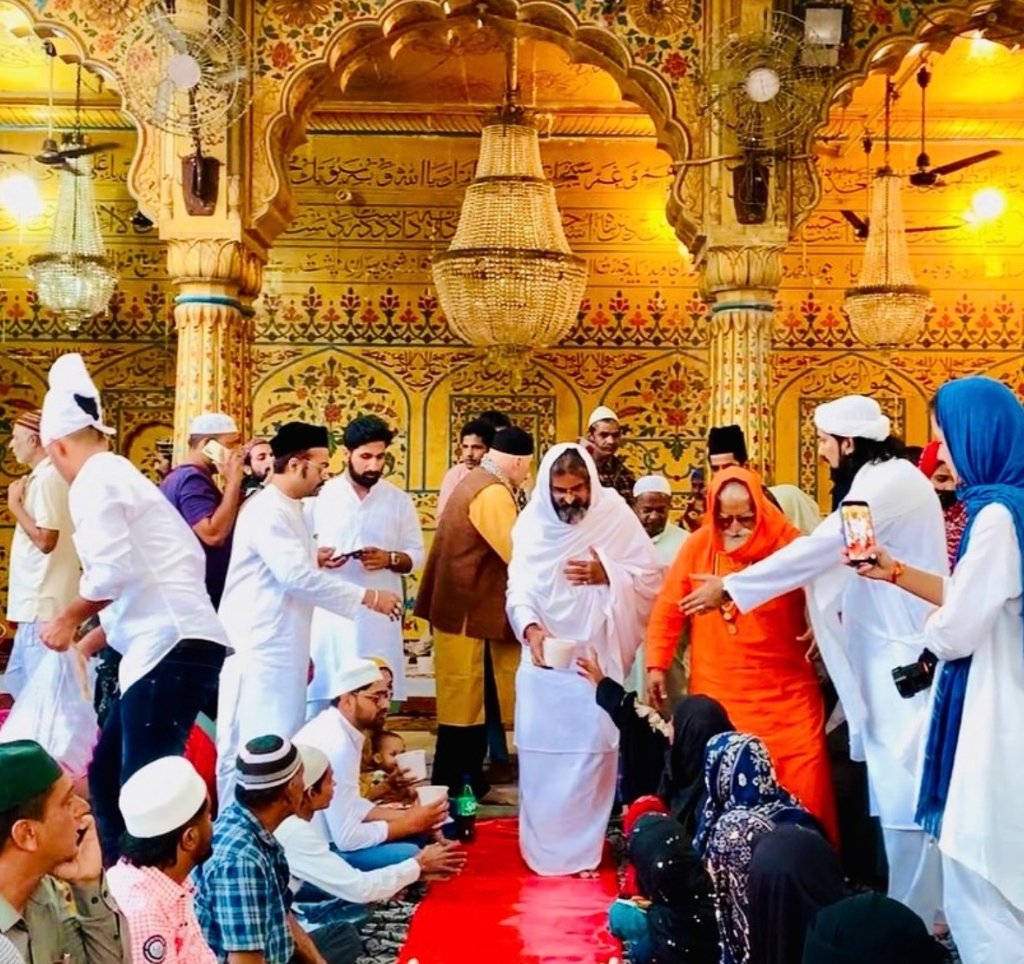
The Darbar of Khwaja Gharib Nawaz (R.A.) is not merely a place associated with one community or one religious identity; it has become a shared spiritual destination where people from different faiths encounter a common message of peace and goodwill. Its doors, in the hearts of its devotees, represent openness, acceptance, and respect for all. The presence of people from Hindu, Sikh, Christian, Muslim, and other communities is a powerful reminder that the desire for peace, happiness, protection, and spiritual fulfilment is universal. People may follow different paths of worship, but their hopes for a better life, their love for their families, their concern for others, and their desire to live in peace are often remarkably similar. Ajmer Sharif brings these shared human values into focus and demonstrates how a sacred place can become a meeting point for people who might otherwise remain separated by differences in religion, language, culture, or background.
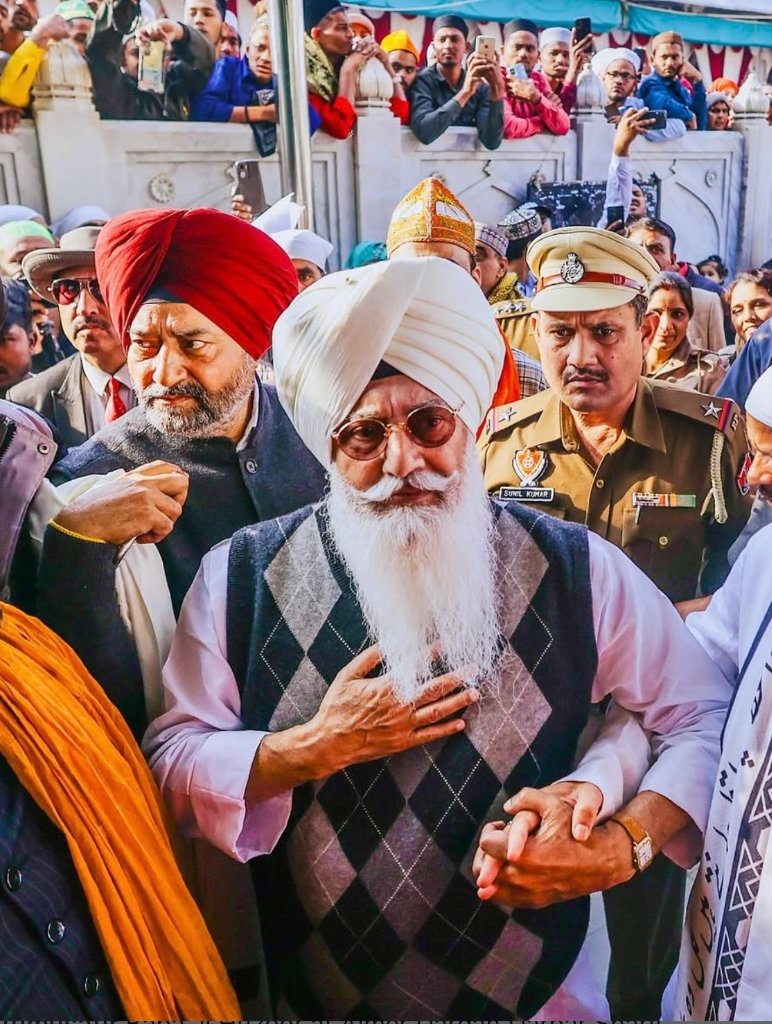
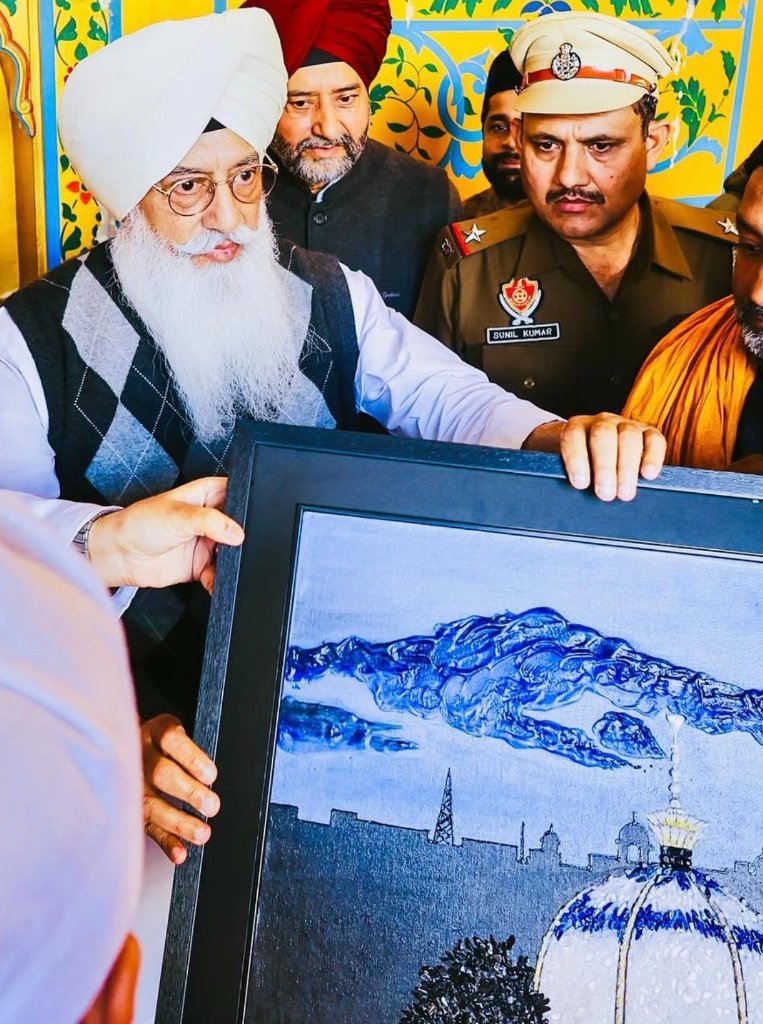
The message of Sarv Dharm Sambhav—equal respect for all religions—finds a meaningful expression in the diverse community of devotees who visit Ajmer Sharif. The shrine represents an environment in which religious diversity can coexist with mutual respect and shared humanity. It encourages us to recognise that differences in faith need not become reasons for hostility, prejudice, or separation. Instead, they can become opportunities to learn from one another, understand different traditions, and build stronger relationships. True communal harmony does not require everyone to follow the same religion or adopt the same beliefs. It requires people to respect one another’s convictions, protect each other’s dignity, and recognise the fundamental humanity that we all share. The Darbar of Khwaja Gharib Nawaz (R.A.) offers a powerful reminder of this principle through the devotion of its visitors and the centuries-old tradition of welcoming people from different communities.

The teachings and spiritual legacy associated with Khwaja Gharib Nawaz (R.A.) place immense importance on love, humility, generosity, compassion, and service to humanity. His message continues to inspire people to rise above prejudice and treat others with kindness. The essence of this message is that human beings should not be judged by their religion, caste, social standing, wealth, or background. Instead, they should be recognised through their character, their compassion, and their willingness to help others. Love should not be restricted to those who share our beliefs, and kindness should not be offered only to people who belong to our own community. Genuine spirituality encourages us to extend our hearts to everyone, especially those who are poor, vulnerable, hungry, lonely, or in need of support. This is the spirit that has made the name of Khwaja Gharib Nawaz (R.A.) deeply cherished by devotees from diverse backgrounds across India and beyond.

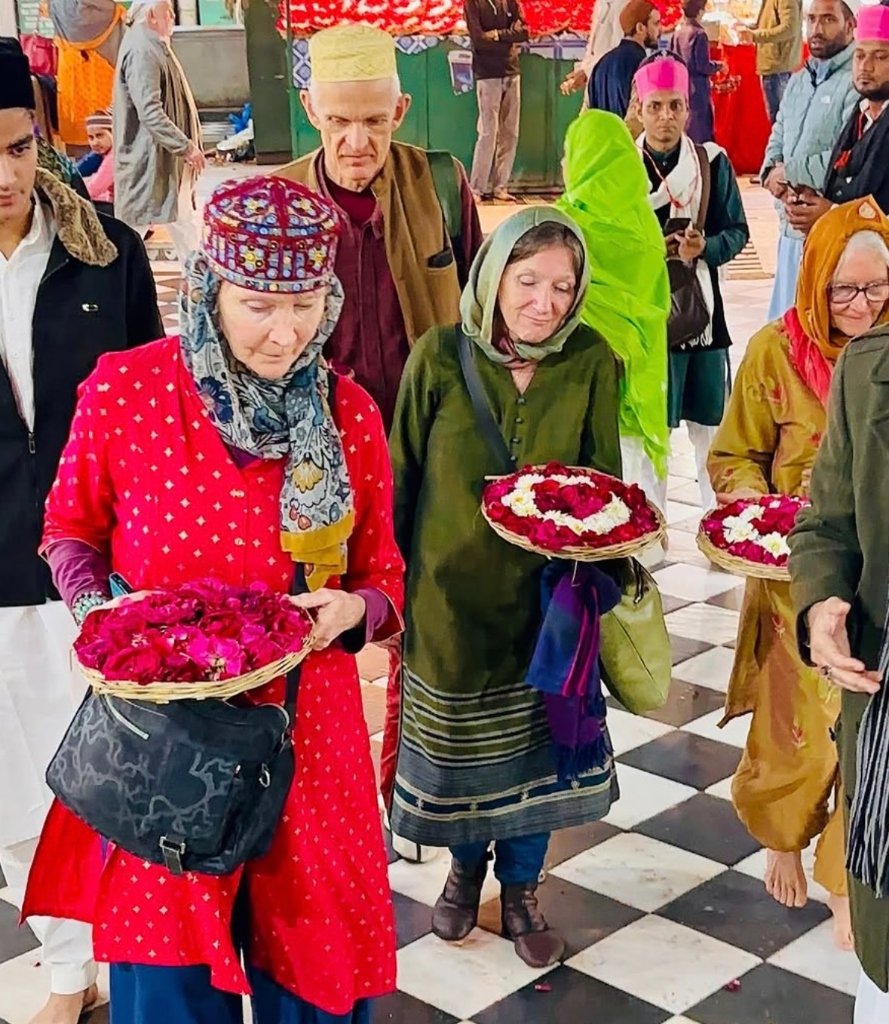
The message of Khwaja Sahib’s legacy is particularly important in a world where misunderstandings, communal tensions, and divisions can sometimes weaken the bonds between communities. At such times, the example of Ajmer Sharif reminds us that the path of love is stronger than the path of hatred. A society becomes stronger when people stand together, help one another, and refuse to allow differences to destroy relationships. Religious devotion should inspire us to become more compassionate, not less; more generous, not less; and more respectful of others, not less. If our faith teaches us love, then that love must be visible in our behaviour towards our neighbours, our fellow citizens, and even those whose beliefs differ from our own. The true value of spiritual teachings is reflected in the way we treat other human beings, particularly when they are different from us.

The tradition of serving Langar at Ajmer Sharif beautifully illustrates this principle. A meal offered to someone in need can communicate a message that words alone may not fully express: you are welcome, you are respected, and your hunger matters. When food is shared without discrimination, it creates a bond that transcends social and religious boundaries. It teaches children the importance of generosity, reminds adults of their responsibility towards society, and encourages communities to work together for the welfare of all. Such acts of service help transform the ideals of brotherhood into practical action. They demonstrate that unity is not merely a slogan to be repeated during public gatherings; it is a commitment that must be reflected in everyday life through sharing, caring, helping, and standing beside those who need support.
Our mission, inspired by the enduring message of Khwaja Gharib Nawaz (R.A.), is to unite people through love, service, and humanity. Our purpose is not to divide society but to bring people closer together. We believe that every person, regardless of religion or community, deserves dignity, kindness, and compassion. We believe that serving a hungry person, helping someone in distress, supporting the needy, promoting education, and encouraging peaceful coexistence are meaningful ways to carry forward the spirit of Khidmat-e-Khalq, or service to humanity. When we serve people without asking about their religion, we turn the principle of universal love into a living reality. When we welcome someone from another community with respect, we strengthen the foundations of brotherhood. And when we choose dialogue over conflict and compassion over prejudice, we contribute to a more peaceful and harmonious society.

The legacy of Khwaja Gharib Nawaz (R.A.) teaches us that the work of bringing people together is a continuous responsibility. It requires patience, humility, understanding, and sincere dedication. Unity cannot be achieved through words alone; it must be built through trust, fairness, mutual respect, and acts of service that benefit everyone. We must encourage the younger generation to understand the importance of India’s rich cultural and spiritual diversity and to appreciate the traditions that have brought communities together for centuries. We must teach them that respecting another person’s religion does not diminish our own faith, and showing kindness to someone from a different community does not weaken our identity. On the contrary, these actions demonstrate strength of character, confidence in our values, and a genuine commitment to humanity.
Ajmer Sharif remains a powerful symbol of this shared heritage. Devotees who arrive at the Darbar from different parts of India and the world carry its message back to their homes, neighbourhoods, and communities. They carry memories of prayer, generosity, spiritual comfort, and the experience of standing alongside people whose lives may be very different from their own. In this way, the message of love travels far beyond the walls of the shrine. It enters families, inspires friendships, strengthens relationships, and encourages people to live together with greater understanding. The universal appeal of Khwaja Gharib Nawaz (R.A.) lies in the ability of his spiritual legacy to speak to the human heart and remind us of values that transcend time and place.
Ultimately, the greatest tribute we can offer to the legacy of Khwaja Gharib Nawaz (R.A.) is to practise the principles of love, compassion, generosity, and service in our own lives. We must strive to become a source of comfort for those in difficulty, a helping hand for those in need, and a bridge between communities that may have been separated by misunderstanding. We must continue to promote the message of Sarv Dharm Sambhav, communal harmony, brotherhood, and peaceful coexistence. The Darbar of Khwaja Sahib reminds us that humanity should always come before hatred, compassion before prejudice, and unity before division.

Our mission is simple yet profound: to spread love, not hatred; to unite people, not divide them; to serve humanity, not discriminate; and to carry forward the timeless message of peace, brotherhood, and compassion associated with Khwaja Gharib Nawaz (R.A.). His spiritual legacy continues to inspire countless people to embrace one another with kindness, to share what they have with those who have less, and to recognise that the true beauty of faith is reflected in love for all creation. May the message of Ajmer Sharif continue to illuminate hearts, strengthen communal harmony, and inspire generations to build a world where people of every religion and community live together in peace, dignity, and mutual respect. Ameen.