
OUR FAMILY HERITAGE
A LEGACY OF SPIRITUAL DEVOTION • HEREDITARY KHIDMAT • HISTORICAL HERITAGE
- Hazrat Khwaja Syed Fakhruddin Gurdezi (R.A.)
- Our Sacred Lineage (Shijra)
- A Heritage Interwoven with the History of Ajmer Sharif
- Our Historical Association with the Mughal Era
- Hereditary Khidmat of Dargah Sharif
- Hazrat Syed Ameer Ali Sahib and the Tradition of Khidmat-e-Khalq
- The Preservation of Our Shahi Farmans
- A Living Tradition of Service
- Our Continuing Legacy at Ajmer Sharif
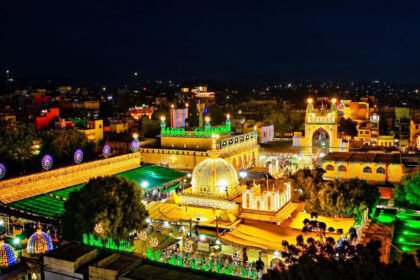
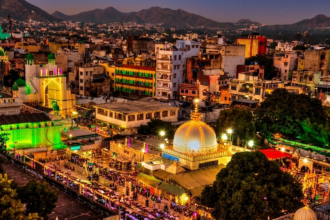
An enduring legacy of devotion, service, and reverence at the sacred Dargah of Hazrat Khwaja Moinuddin Hasan Chishty (R.A.).
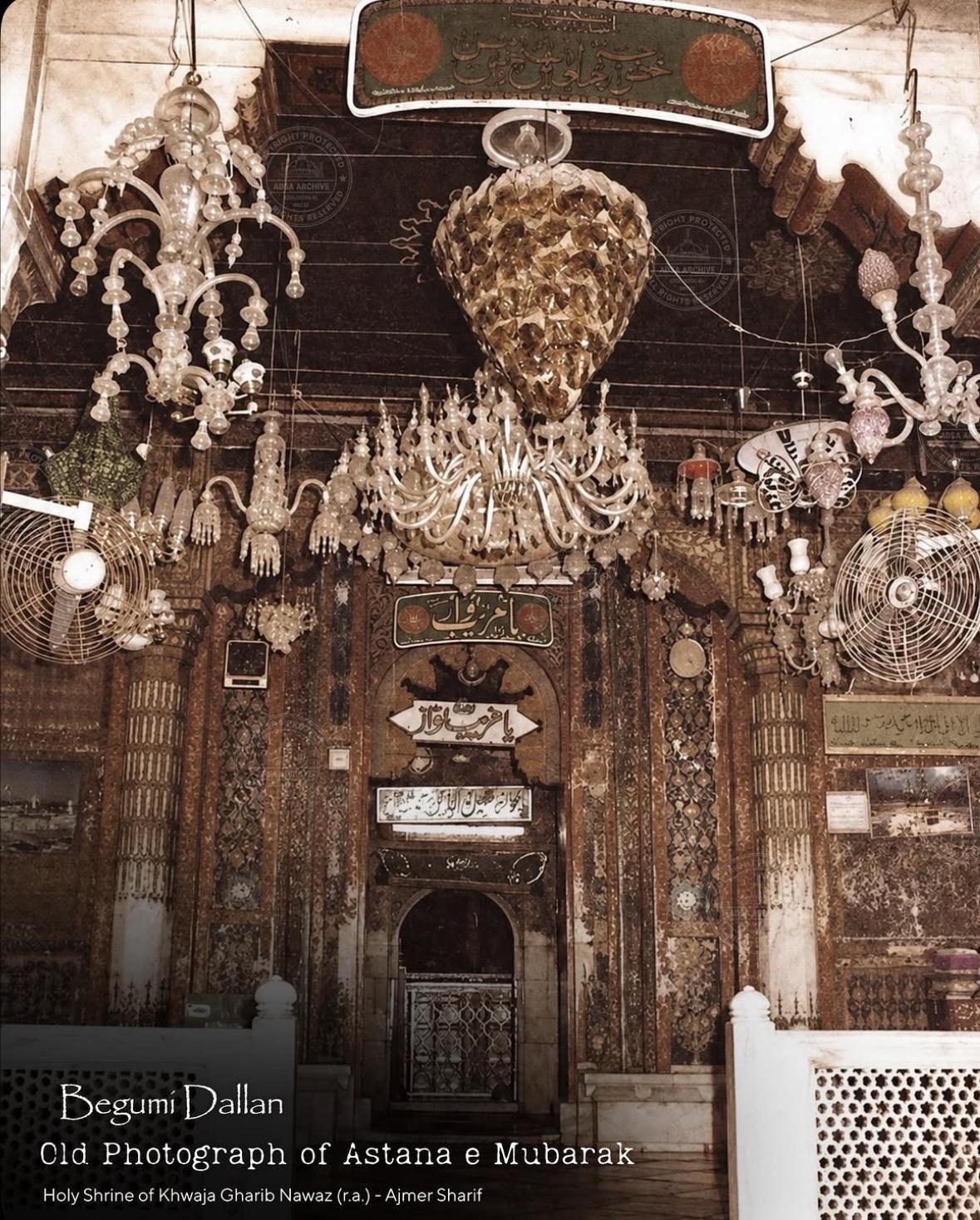
A TRIBUTE TO OUR SPIRITUAL LINEAGE
Khwaja Aapki Ghulami Se Auj Pe Sitara Hai
Warna Poochhne Wala Koi Kab Hamara Hai
Humse Hoke Bargashta Kya Zamana Kar Lega
Aapki Nisbat Hai, Aapka Sahara Hai
A humble expression of our family’s devotion and spiritual attachment to Khwaja Gharib Nawaz (R.A.).
Hazrat Khwaja Syed Fakhruddin Gurdezi (R.A.)
A Revered Ancestor of Our Spiritual Heritage
Hazrat Khwaja Syed Fakhruddin Gurdezi (R.A.) is revered in our family tradition as a close blood relative and Peer Bhai of Hazrat Khwaja Moinuddin Hasan Chishty (R.A.). He accompanied Khwaja Sahib from Gurdez to Ajmer Sharif and served as his chief attendant (Khadim-e-Khas), dedicating his life to the sacred service of the Great Saint.
Our family belongs to the revered Gurdezi and Chishty heritage of Ajmer Sharif, with a lineage rooted in the tradition of hereditary Khidmat at Dargah Sharif. This sacred association spans centuries, marked by devotion, service to pilgrims, and the preservation of ancestral traditions.
We regard this heritage not merely as a matter of ancestry, but as a sacred responsibility: to honour our Buzurgs, preserve historical documents and genealogies, and uphold the timeless values of humility, hospitality, and Khidmat that have defined our family for generations.
Our Sacred Lineage (Shijra)
Our family lineage, as preserved in our family genealogy, traces its ancestry through the revered Ahl-e-Bait and the descendants of Hazrat Imam Hussain (A.S.) and Hazrat Imam Musa al-Kazim (A.S.). The following genealogy reflects the lineage recorded in our family tradition:
- Maula-e-Kainat Hazrat Syedna Imam Ali (A.S.)
- Hazrat Syed Maula Imam Hussain (A.S.)
- Hazrat Syed Imam Zain-ul-Abideen (A.S.)
- Hazrat Imam Muhammad Baqir (A.S.)
- Hazrat Imam Ja’far al-Sadiq (A.S.)
- Hazrat Imam Musa al-Kazim (A.S.)
- Hazrat Syed Hussain (R.A.)
- Hazrat Syed Jamaluddin (R.A.)
- Hazrat Syed Abul Qasim (R.A.)
- Hazrat Syed Abul Fateh (R.A.)
- Hazrat Syed Nizamuddin (R.A.)
- Hazrat Syed Sadruddin (R.A.)
- Hazrat Syed Mohammad (R.A.)
- Hazrat Syed Ahmed (R.A.)
- Hazrat Khwaja Syed Fakhruddin Gurdezi (R.A.)
Revered ancestor • Khadim-e-Khas of Khwaja Gharib Nawaz (R.A.) - Hazrat Khwaja Syed Rafiuddin Behlol (R.A.)
- Hazrat Khwaja Syed Mehboob Ahmed (R.A.)
- Hazrat Syed Idrees (R.A.)
- Hazrat Syed Yakub (R.A.)
- Hazrat Syed Ishaq (R.A.)
- Hazrat Syed Hussain (R.A.)
- Hazrat Syed Abdul Qader (R.A.)
- Hazrat Syed Wajihuddin (R.A.)
- Hazrat Syed Jalal (R.A.)
- Hazrat Syed Badiuddin (Buddha) Sahib (R.A.)
- Hazrat Syed Tahir Sahib (R.A.)
- Hazrat Syed Hassan Ali Sahib (R.A.)
- Hazrat Syed Ameer Ali Sahib (R.A.)
- Hazrat Syed Imam Baksh Sahib (R.A.)
- Hazrat Syed Mardan Ali Sahib (R.A.)
- Hazrat Syed Mohammad Ali Sahib (R.A.)
- Hazrat Syed Mohammad Hussain Aghai Sahib (R.A.)
- Alhaj Hazrat Syed Muzaffar Hussain Aghai Sahib (R.A.) — Aghai Sahib
- Hazrat Syed Mazhar Hussain Aghai Sahib (R.A.)
- {The Present Generation}
Alhaj Syed Siddiqul Hasan Aghai S.b
Have three sons:
• Syed Layaque Hussain Aghai
• Syed Afaque Hussain Aghai
• Syed Ashraf Hussain Aghai
Note: This is a presentation of the genealogy supplied by our family. Historical spellings, generations, and relationships may be verified against original genealogical records and documents.
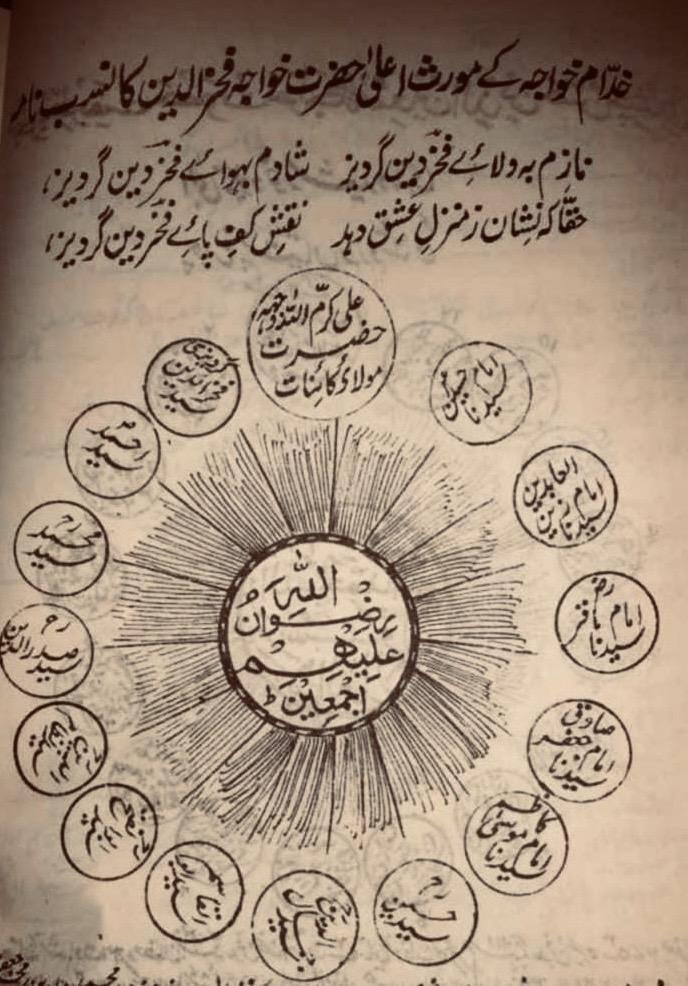
A Heritage Interwoven with the History of Ajmer Sharif
Our family’s historical narrative extends beyond genealogy. It encompasses generations of religious service, spiritual association, and participation in the life of Ajmer Sharif.
Through family traditions, preserved manuscripts, and historical documents, our elders are remembered for their association with the Dargah Sharif, their service to pilgrims, and their responsibilities within the religious and social life of the region.
Their legacy represents a continuing commitment to the values of Khidmat, humility, hospitality, and respect for all humanity.
Our Historical Association with the Mughal Era

Hazrat Syed Badiuddin (Buddha) Sahib (R.A.)
According to our family’s preserved historical records and oral tradition, Hazrat Janab Syed Badiuddin (Buddha) Sahib (R.A.) served during the reign of Emperor Shah Jahan. He is remembered in our family history as the first Keyholder and Sargana Haft Baridar associated with the Friday service of Dargah Sharif.
Our family tradition further records that Emperor Shah Jahan held him in high regard. This association forms a significant chapter in the historical narrative preserved by our family.
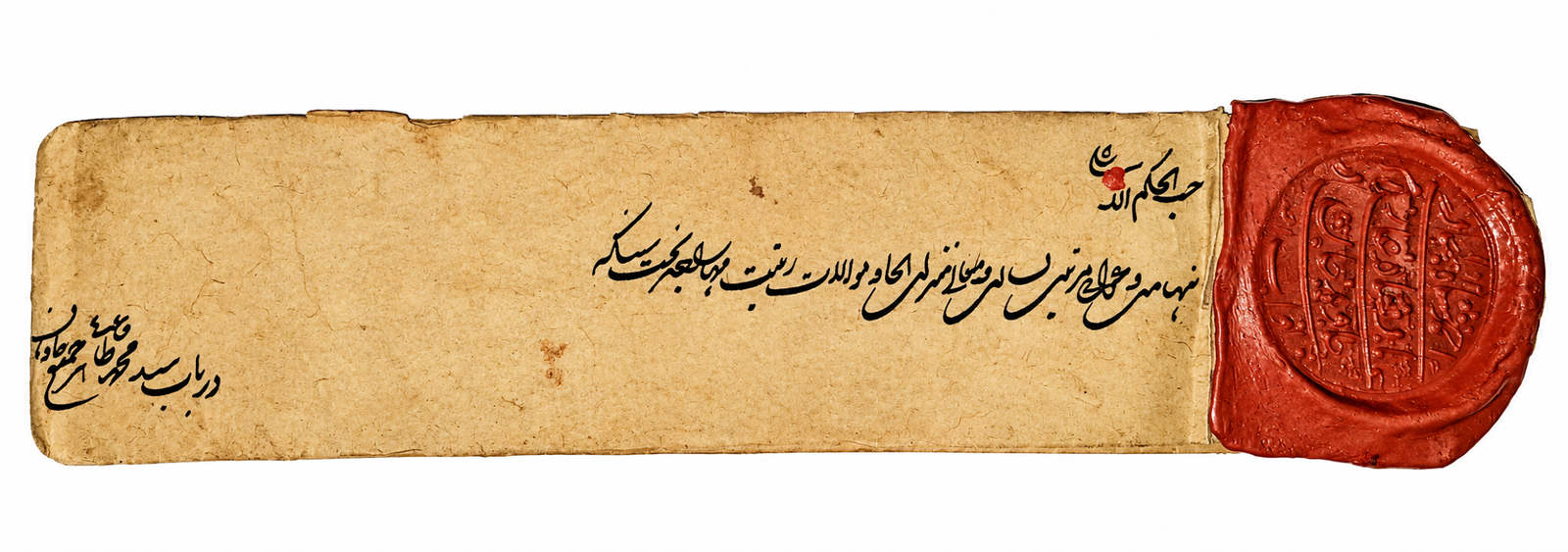
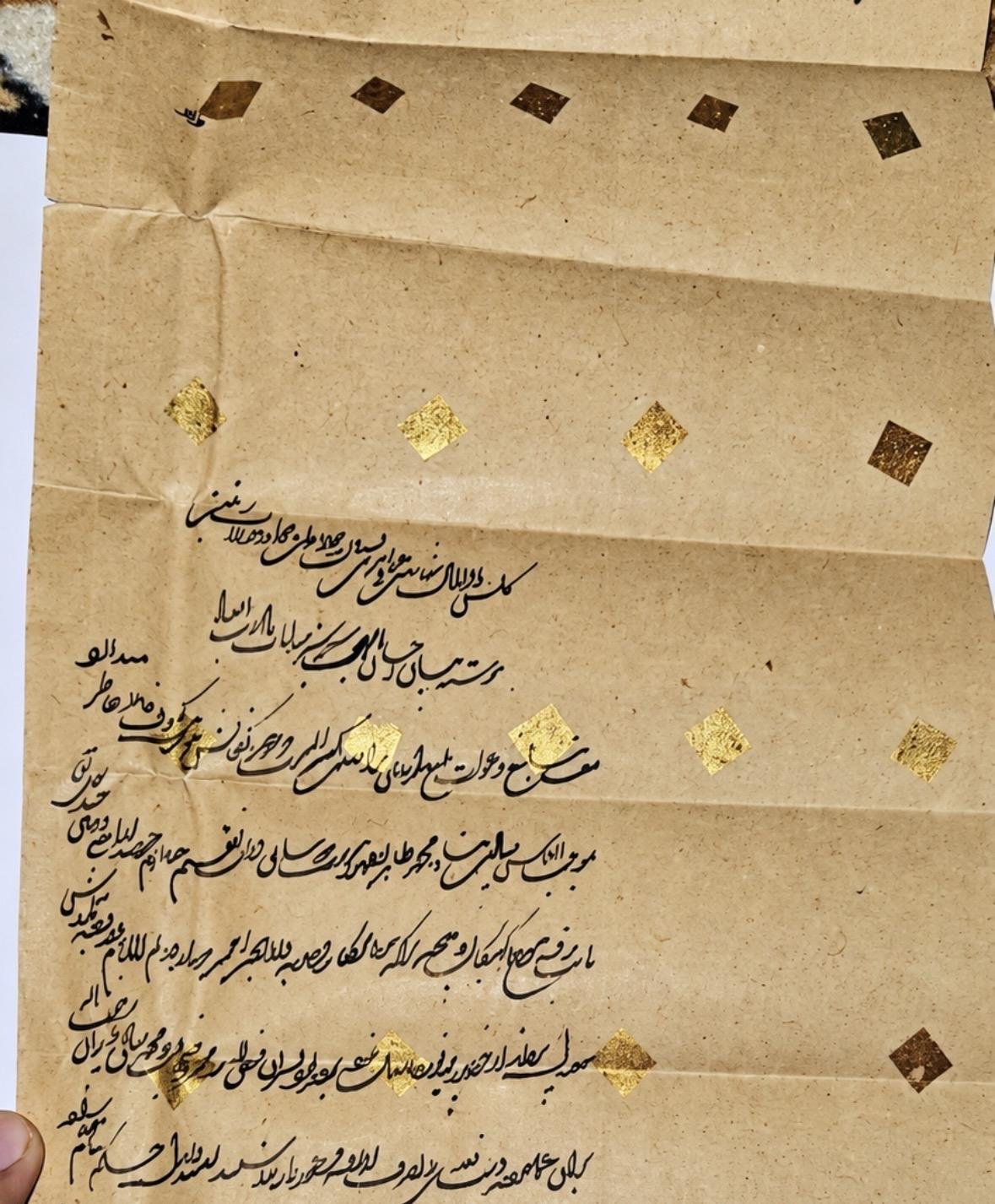
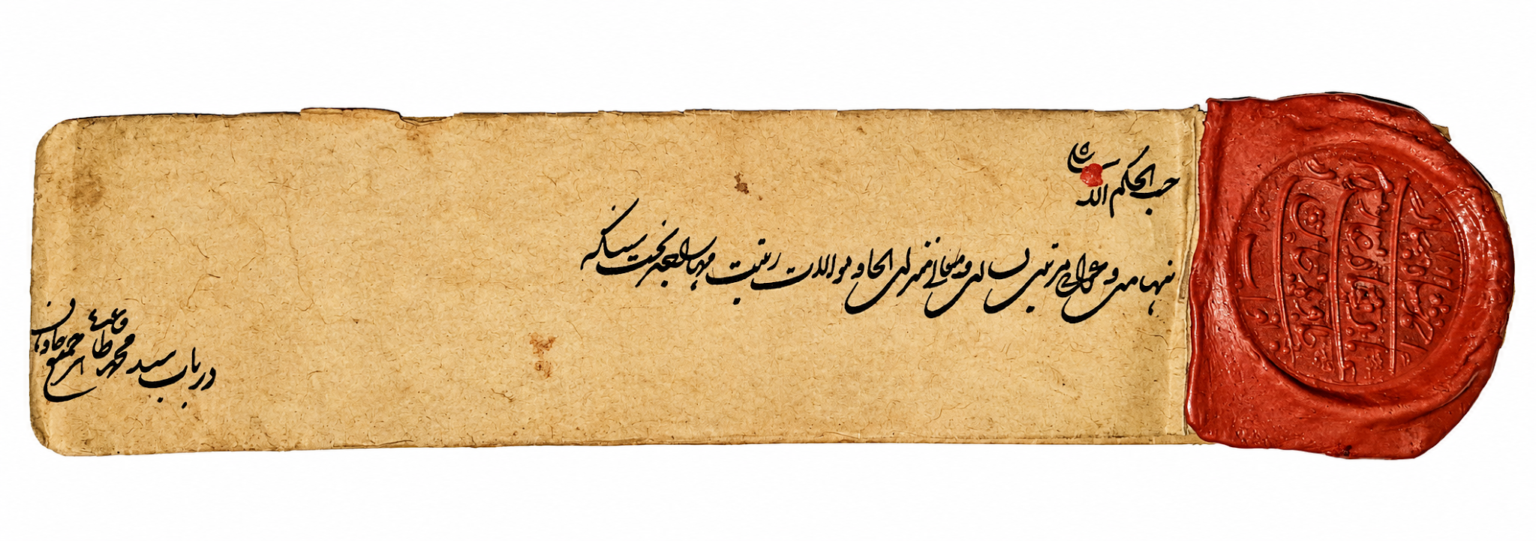
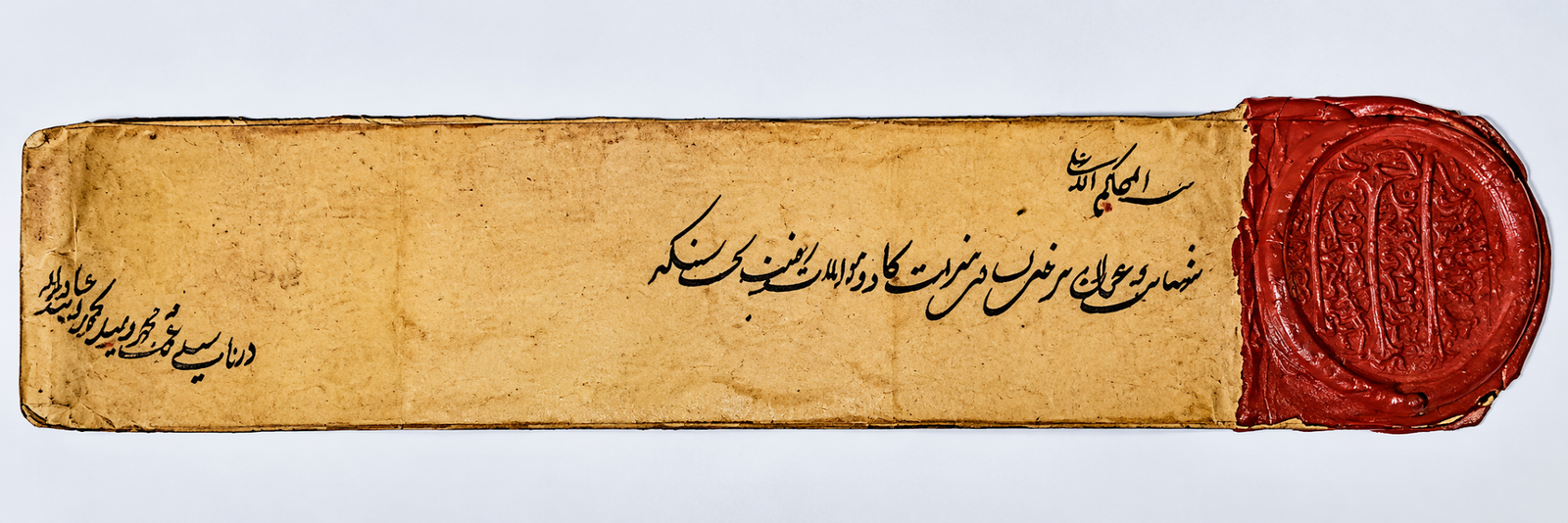
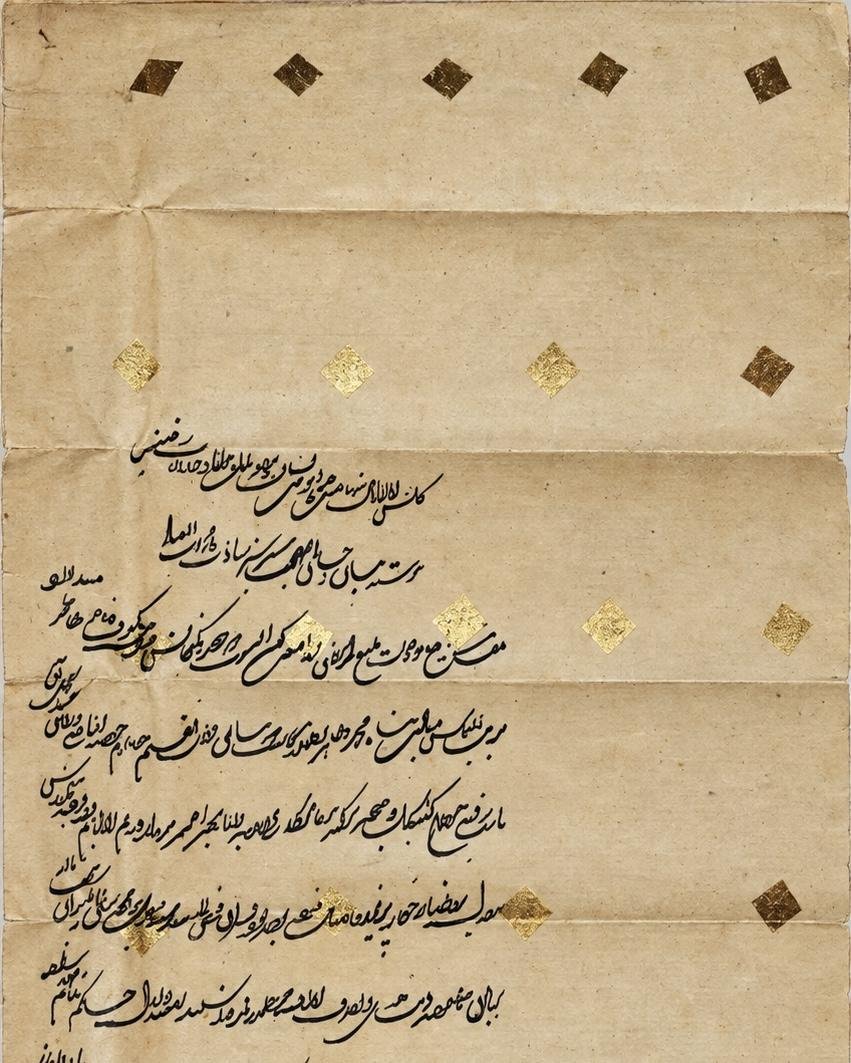
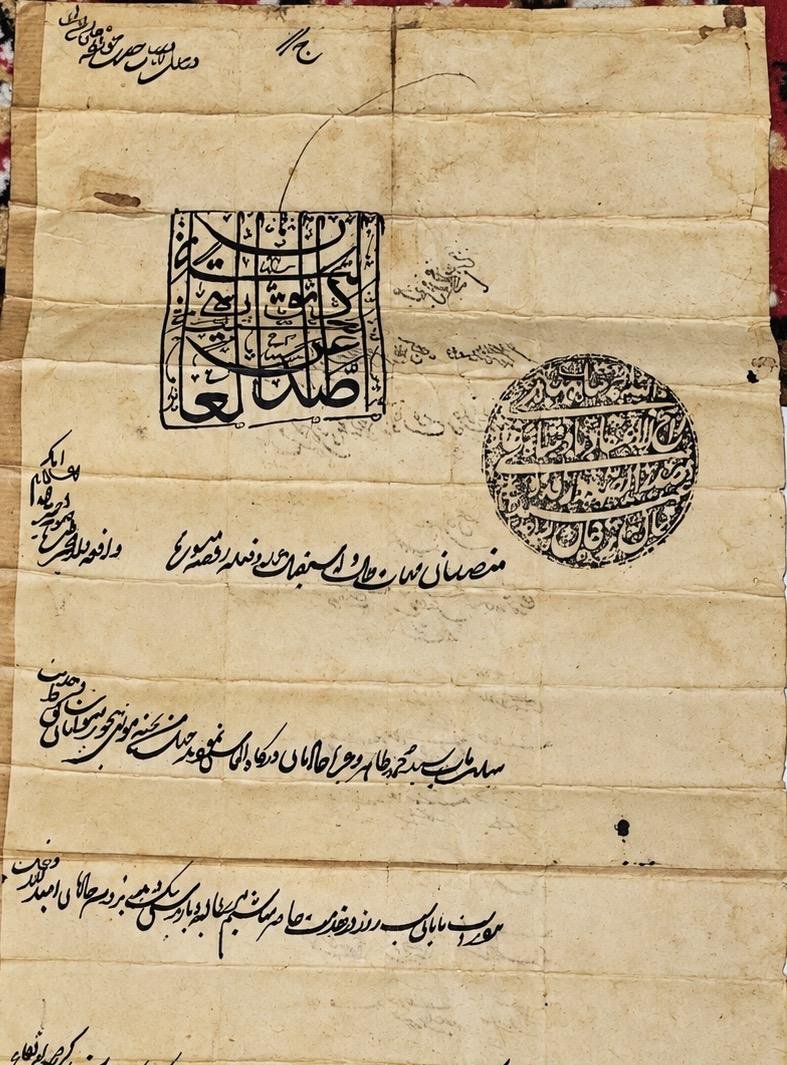
Farman (فرمان): An official royal order or decree issued by a ruler.
Sanad (سند): An official document recording a grant, appointment, right, authorization, or other formal matter.
Wax seal (مُہر): The red seal used to authenticate or formally secure a document.
Hazrat Syed Muhammad Tahir Sahib (R.A.)
Our family documents record that Hazrat Syed Muhammad Tahir Sahib (R.A.), son of Hazrat Syed Badiuddin Sahib, held an important administrative position under the Mughal administration: he was appointed as Governor of Ajmer, Pushkar, and Taragarh.
Our family preserves historical Shahi Farmans and other documents relating to these appointments and responsibilities. These records are treasured as part of our inherited documentary heritage and are important to our family’s understanding of its historical association with the region.
Hereditary Khidmat of Dargah Sharif
Hazrat Syed Hassan Ali Sahib (R.A.)
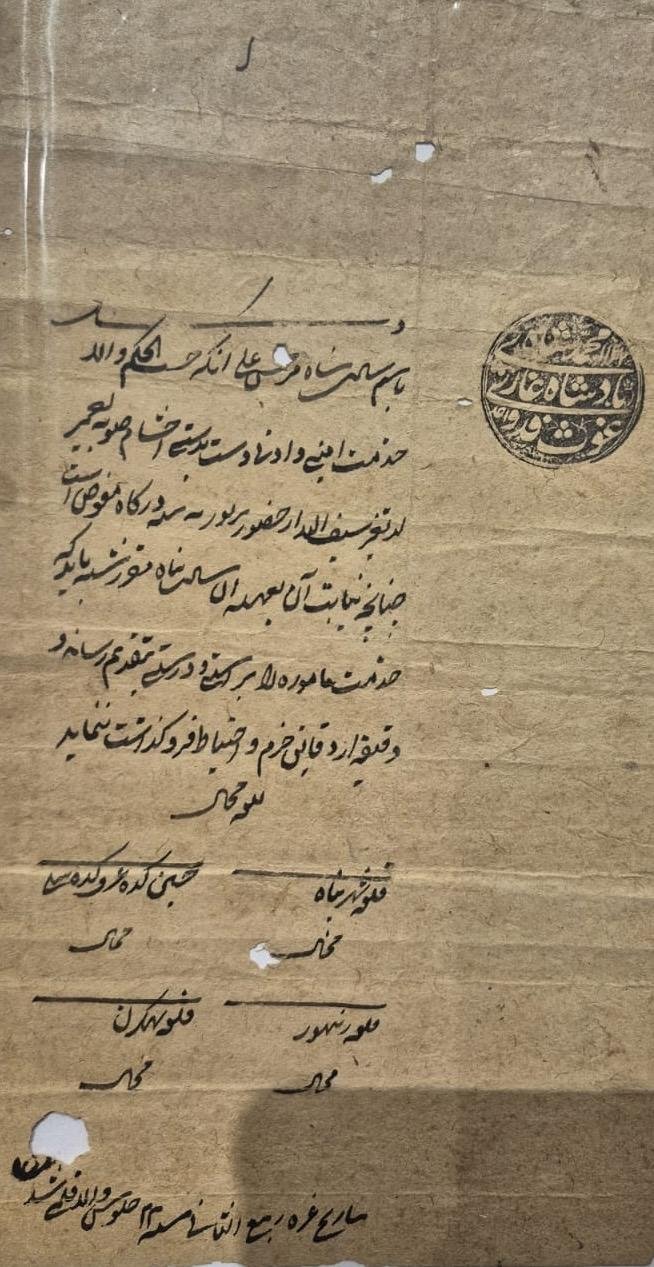
The next generations continued the family’s tradition of service. According to our preserved family records, Hazrat Syed Hassan Ali Sahib (R.A.) was appointed Mutawalli of Dargah Khwaja Gharib Nawaz (R.A.), Ajmer, during the period associated in our family history with Ahmed Shah Badshah of Ahmedabad.
These records reflect the longstanding association our ancestors maintained with the administration, service, and spiritual traditions of Ajmer Sharif. For our family, the tradition of hereditary Khidmat represents much more than an inherited position. It signifies a duty of care, devotion, hospitality, and service to those who visit the blessed shrine.
Hazrat Syed Ameer Ali Sahib and the Tradition of Khidmat-e-Khalq
A legacy of spiritual service and universal respect
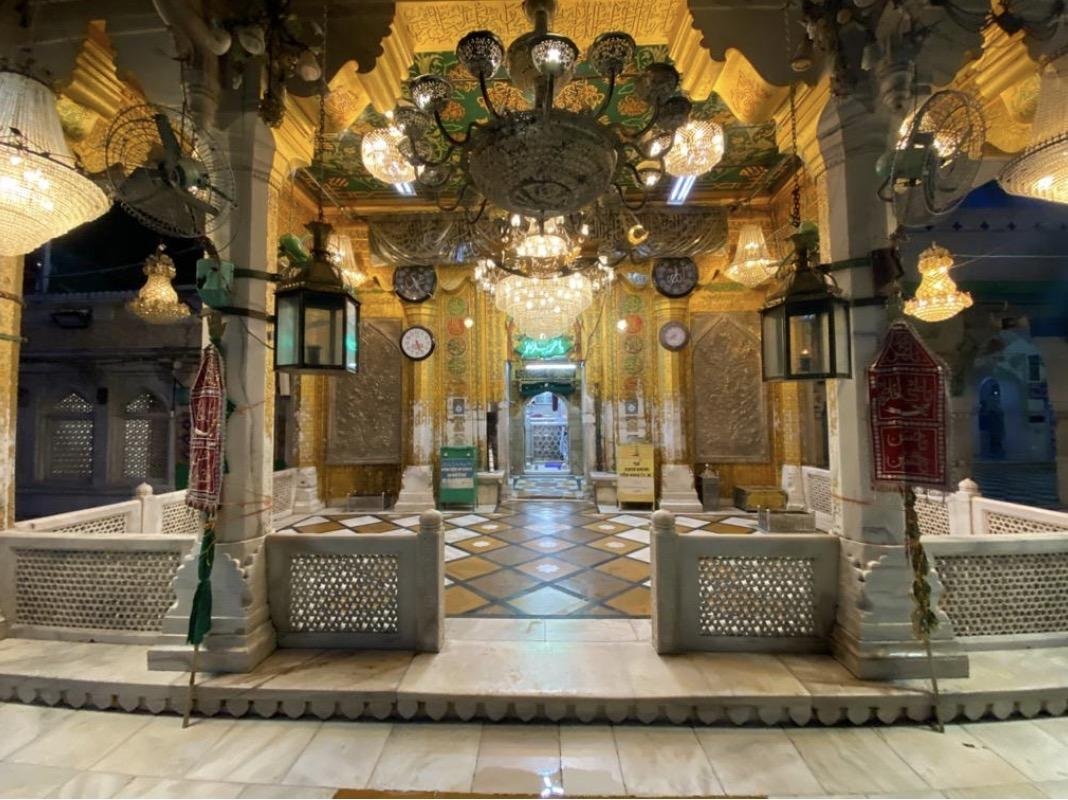
Another revered ancestor in our family history was Hazrat Syed Mardan Ali Sahib, son of Hazrat Syed Ameer Ali Sahib, who is remembered as a Khaddim of Khwaja Gharib Nawaz (R.A.). His life, as recounted in our family tradition, reflected a commitment to Khidmat-e-Khalq — the service of humanity — and spiritual guidance.
His influence extended beyond religious and community boundaries. Our family tradition records that the Maharaja of Kishangarh was among his spiritual followers (Mureeds).
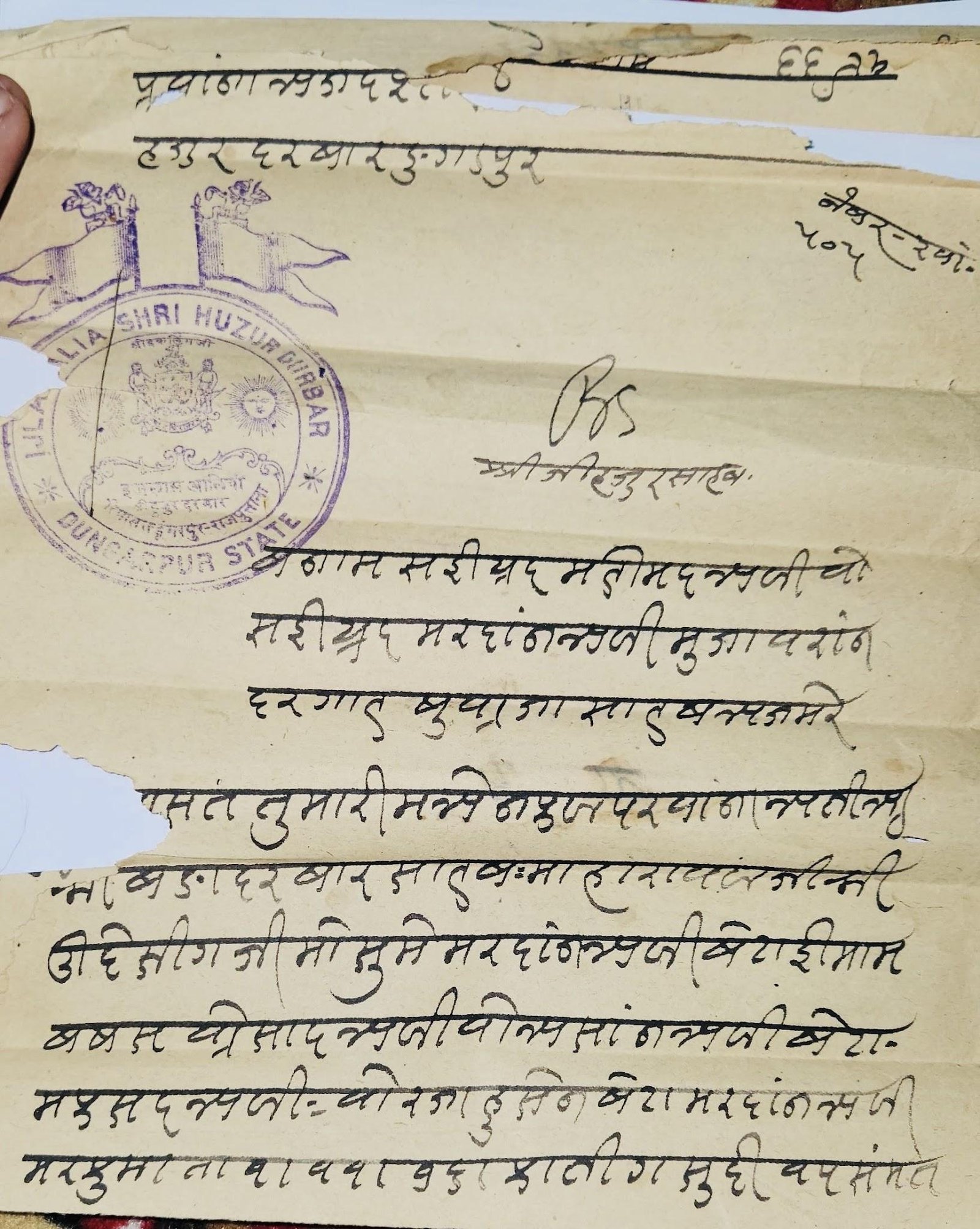
We also preserve the Wakalatnama of the Maharaja of Udaipur, which forms an important part of our family’s historical collection. According to our family account, the Maharaja of Udaipur visited Dargah Sharif to perform Ziyarat with Hazrat Syed Mardan Ali Sahib, son of Hazrat Syed Imam Baksh Sahib.
Our family history also recalls that respected Hindu spiritual leaders, saints, priests, and heads of various Maths and Ashrams came for Ziyarat and spiritual association through his Wakalat.
These accounts reflect a cherished tradition of interfaith respect and spiritual harmony associated with Ajmer Sharif — a place where people from different backgrounds have gathered in reverence, hope, and devotion. The teachings of Khwaja Gharib Nawaz (R.A.) continue to inspire the ideals of love beyond boundaries, compassion without discrimination, and respect for every human being.
The Preservation of Our Shahi Farmans
Our family carefully preserves a collection of old Shahi Farmans, historical records, appointment documents, manuscripts, and other materials associated with the Mughal and subsequent periods.
These documents are more than family heirlooms. They form part of our inherited documentary heritage and offer a glimpse into the historical relationships, responsibilities, and service associated with our ancestors.
We regard their preservation as a responsibility to future generations. Wherever possible, these records are maintained in their original condition and treated with the care and respect due to historical materials. We remain committed to protecting this legacy, documenting our family history, and ensuring that the memory of our ancestors’ Khidmat continues to be remembered.
A Living Tradition of Service
Our heritage is not defined solely by titles, appointments, or documents. Its deeper meaning lies in the values our Buzurgs are remembered for upholding:
• Khidmat-e-Khwaja: Devotion to the service, traditions, and spiritual heritage associated with Khwaja Gharib Nawaz (R.A.).
• Khidmat-e-Khalq: Serving humanity with compassion, generosity, humility, and a willingness to help those in need.
• Interfaith Harmony: Upholding respect for people of every faith and background, inspired by the universal message of love and peace.
• Preservation of Heritage: Protecting our family genealogy, historical documents, inherited traditions, and the memory of our elders.
Our Continuing Legacy at Ajmer Sharif
Across generations, our family has maintained a deep and enduring association with Dargah Sharif, Ajmer, through its inherited traditions of devotion and Khidmat.
As members of the Gurdezi and Kazmi Sadat family tradition, we honour the memory of our ancestors by preserving their history, respecting the sanctity of the shrine, and upholding the principles of service, humility, and humanity.
We believe that the true honour of a spiritual heritage lies not merely in the past, but in the sincerity with which its values are carried forward into the future. The legacy of our Buzurgs reminds us that service is an act of devotion, compassion is a form of worship, and respect for humanity is among the noblest expressions of spiritual life.
May Allah preserve the dignity of our elders, safeguard our inherited heritage, and grant us the ability to continue the tradition of Khidmat with sincerity and humility.
OUR SPIRITUAL TRIBUTE
Aapki Nisbat Aapse Talluq Hai, Khwaja
Toh Har Koi Ehteram Karta Hai
Aapse Mila Ghulamon Ko Urooj
Sara Aalam Salaam Karta Hai
Hazrat Khwaja Moinuddin Hasan Chishty (R.A.)
A legacy of devotion. A tradition of service. A bond of humanity.