
Nizam Gate (Osmania Darwaza) – Main Imperial Entrance of Ajmer Dargah
*NIZAM GATE*
The Principal Gateway of Modern Ajmer Sharif
Introduction
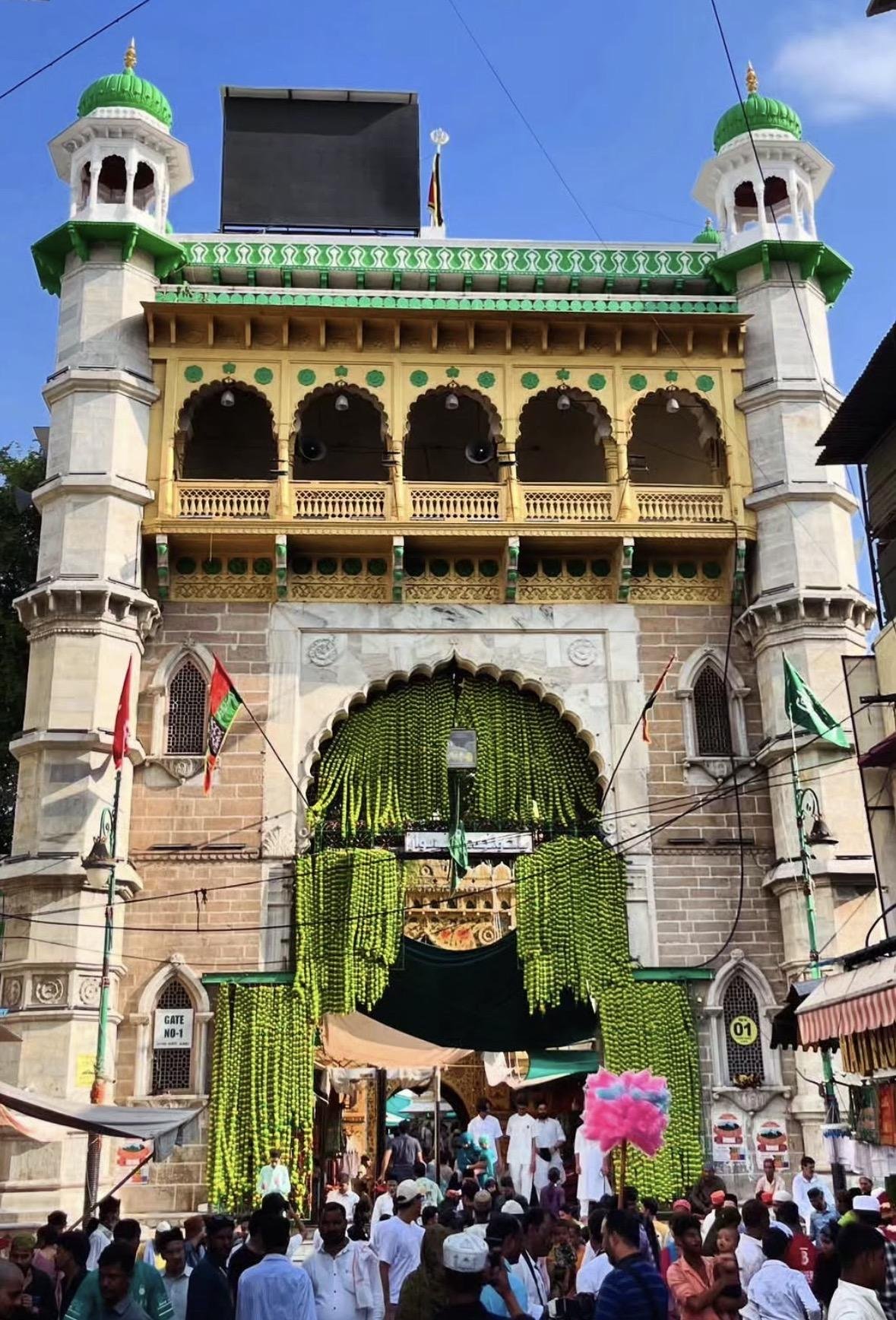
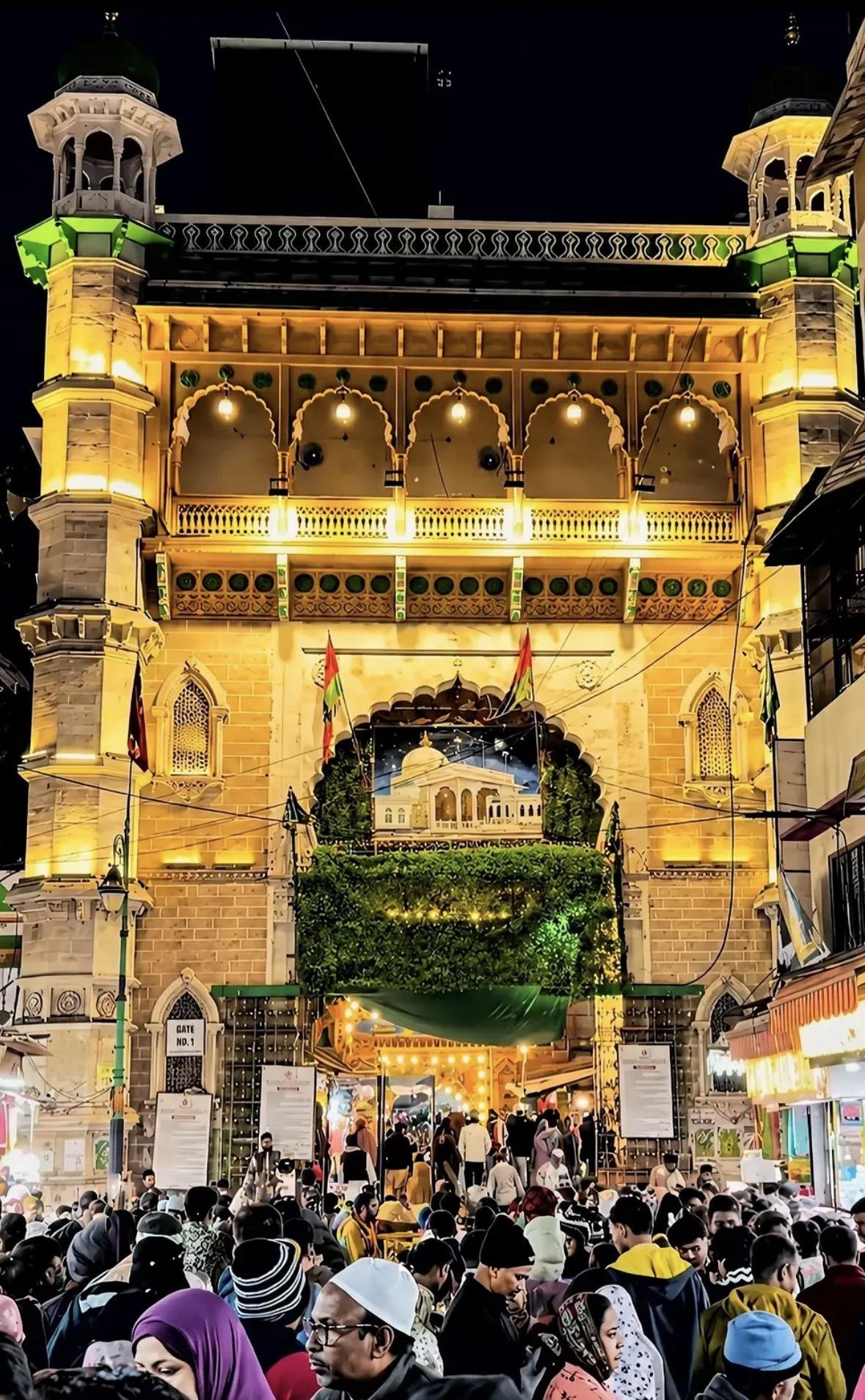
The Nizam Gate is the principal modern entrance to the Ajmer Sharif Dargah and one of the most recognizable gateways of the shrine.
- *NIZAM GATE*
- The Principal Gateway of Modern Ajmer Sharif
- Introduction
- Who built it?
- For a website, the safest wording is:
- Who was the architect?
- Architectural appearance
- Why did the Nizam build it?
- The gateway and Dargah Bazaar
- Comparison with the older gates
- Historical significance
- Conservation importance
- Conclusion
Unlike the Buland Darwaza and Shahjahani Gate, which belong to earlier centuries, the Nizam Gate belongs to the early 20th century.
It represents the continuing tradition of royal patronage of Ajmer Sharif long after the Mughal Empire had disappeared.
Who built it?
The Nizam Gate was commissioned by His Exalted Highness Mir Osman Ali Khan, the seventh Nizam of Hyderabad.
Sources generally date its construction to 1911, although some Dargah histories state that construction commenced in 1912 and was completed in 1915
.On 16 Zilqad 1330 AH (16 October 1912 CE), when the ruler of Hyderabad, Mir Osman Ali Khan, visited Ajmer Sharif, he commissioned the construction of this grand gateway. By 13 Zilhijja 1331 AH (13 November 1913 CE), during his second royal visit, the structure was halfway complete.
Construction Duration: Took 3 full years to complete.
Cost: Approximately 50,000 rupees.
Dimensions: Stands 70 feet high and 46 feet wide.
Naqqarkhana: Located on the upper level, where the five-time Naubat and Shehnai are played.
During the same era, repairs were funded for the Shah Jahani Mosque, the inner dome, marble lampstands (Charagdan), and decorative borders. The total expenditure of 42,000 Kuldar rupees was borne by Mir Osman Ali Khan.
For a website, the safest wording is:
“The Nizam Gate was commissioned by Mir Osman Ali Khan, the seventh Nizam of Hyderabad, in the early 20th century and is generally associated with 1911.”
Who was the architect?
A reliable, independently documented name for the individual architect is not established in the sources consulted.
Therefore, the website should identify Mir Osman Ali Khan as patron/commissioner, not automatically as architect.
Architectural appearance
The Nizam Gate has a distinctive Indo-Islamic appearance.
Its decorated façade and large entrance create a formal transition from Dargah Bazaar into the sacred complex.
The gate contains an upper storey, historically associated with ceremonial musical activity.
Its architecture is visually different from the earlier Mughal gates, demonstrating how the Dargah continued to absorb new architectural styles.
Why did the Nizam build it?
The construction represents the long tradition of royal and aristocratic patronage of Ajmer Sharif.
The Nizams of Hyderabad maintained a strong connection with important Islamic shrines and religious institutions.
By commissioning a major gateway at Ajmer Sharif, Mir Osman Ali Khan added his own architectural contribution to a complex that had already been developed by the Malwa Sultans and Mughal emperors.
The gateway and Dargah Bazaar
The Nizam Gate is particularly important because it provides the principal transition between the commercial world of Ajmer and the sacred precinct of the Dargah.
Visitors approach the shrine through the surrounding Dargah Bazaar before entering through the gate.
The gateway therefore has both practical and symbolic importance.
Comparison with the older gates
The Dargah has several historic gateways.
The Buland Darwaza belongs to the 15th-century Malwa Sultanate period.
The Shahjahani Gate belongs to the Mughal period.
The Nizam Gate belongs to the early 20th century.
Together, these gateways provide a chronological architectural history of Ajmer Sharif.
Historical significance
The Nizam Gate demonstrates that Ajmer Sharif continued to attract royal patronage even after the Mughal period.
It is therefore incorrect to view the architectural history of the Dargah as ending with the Mughal Empire.
The shrine continued to develop through the contributions of Indian rulers, princely states, wealthy patrons and religious communities.
Conservation importance
Because the Nizam Gate is now one of the principal entry points for pilgrims and visitors, it experiences enormous daily use.
Its architectural character therefore has both heritage and practical significance.
Conservation requires balancing the preservation of historic details with the needs of millions of visitors.
Conclusion
The Nizam Gate is a monument of the modern history of Ajmer Sharif.
Commissioned by Mir Osman Ali Khan, the seventh Nizam of Hyderabad, it represents the continuing tradition of royal devotion and patronage surrounding the shrine.
Although the name of the individual architect is not securely established in the historical sources consulted, the gate itself remains an important architectural landmark and the principal visual entrance to the Dargah complex.