ajmerdargahsharifziyarat.com
  • Home
  • Dargah Tour
    • Holy Dome (Aastana-e-Aliya)
    • Buland Darwaza
    • Jannati Darwaza
    • Shahjahani White Marble Mosque
    • Akbari Masjid (Emperor Akbar)
    • Mehfil Khana (Sama Hall)
    • Begami Dalan (Ahata-e-Noor)
    • Jhalra Historic Reservoir
    • Explore All 24 Dargah Monuments →
  • Heritage
    • Who is Khaddim?
    • Our Hereditary Heritage
    • BKGN Trust
    • Welcoming All Hearts
  • Guide & Events
    • Annual Urs-e-Sharif
    • Monthly Chatti Sharif
    • Ajmer City & Sightseeing
    • Brahma Mandir & Pushkar
  • Dargah Sharif
    • Ajmer Sharif Dargah
    • Ziyarat Guide & Etiquette
    • Dargah Timings
    • Priority Ziyarat Assistance
    • Daily Dargah Rituals
    • How to Reach Ajmer
  • Traditions
    • Badi Deg Cauldron
    • Choti Deg Cauldron
    • Badi vs Choti Deg Difference
    • Book Badi / Choti Deg
    • Sacred Chadar Sharif
    • What is Mannat?
    • Importance of Langar
    • Niyaz & Tabarruk
    • Dua & Holy Fateha
    • Qawwali (Sama)
    • What is Nazar o Niaz
    • What is Urs e Sharif
    • Way of Offering
    • Nazrana to Khaddims
    • Arrangements of Special Dua Prayers
    • Fatwas
  • Khwaja Gharib Nawaz
    • Biography & Life
    • Holy Teachings & Wisdom
    • Family of Khwaja Sahab
    • Shajra of Chishty Lineage
    • Sufism & Sulh-e-Kul
  • History & Stories
    • Great Chishty Sufi Saints
    • Royal Sultans & Imperial Visits
    • Mughal Sanads & Historical Firmans
    • Mughals at Ajmer Dargah
    • Hindu Rajas at Ajmer Dargah
    • Khwaja Fakhruddin Gurdezi (R.A.)
    • The Saints Bow Their Heads
    • Stories of Devotees & Miracles
    • Kings Become Servants
  • Media
    • Gallery
    • Videos
    • Blog
  • Contact
DONATE NOW
  • Dargah Heritage Tour
  • Ziyarat & Rituals
  • Chishty Lineage & History
  • Spiritual Heritage & Teachings
  • Chishty Sufi Masters
  • Holy Cauldron (Deg) & Langar
Saturday, Oct 24, 2026
ajmerdargahsharifziyarat.comajmerdargahsharifziyarat.com
Font ResizerAa
  • Dargah
  • Gallery
  • Ziyarat
  • Contact
Search
  • Home
  • Dargah Tour
    • Holy Dome (Aastana-e-Aliya)
    • Buland Darwaza
    • Jannati Darwaza
    • Shahjahani White Marble Mosque
    • Akbari Masjid (Emperor Akbar)
    • Mehfil Khana (Sama Hall)
    • Begami Dalan (Ahata-e-Noor)
    • Jhalra Historic Reservoir
    • Explore All 24 Dargah Monuments →
  • Heritage
    • Who is Khaddim?
    • Our Hereditary Heritage
    • BKGN Trust
    • Welcoming All Hearts
  • Guide & Events
    • Annual Urs-e-Sharif
    • Monthly Chatti Sharif
    • Ajmer City & Sightseeing
    • Brahma Mandir & Pushkar
  • Dargah Sharif
    • Ajmer Sharif Dargah
    • Ziyarat Guide & Etiquette
    • Dargah Timings
    • Priority Ziyarat Assistance
    • Daily Dargah Rituals
    • How to Reach Ajmer
  • Traditions
    • Badi Deg Cauldron
    • Choti Deg Cauldron
    • Badi vs Choti Deg Difference
    • Book Badi / Choti Deg
    • Sacred Chadar Sharif
    • What is Mannat?
    • Importance of Langar
    • Niyaz & Tabarruk
    • Dua & Holy Fateha
    • Qawwali (Sama)
    • What is Nazar o Niaz
    • What is Urs e Sharif
    • Way of Offering
    • Nazrana to Khaddims
    • Arrangements of Special Dua Prayers
    • Fatwas
  • Khwaja Gharib Nawaz
    • Biography & Life
    • Holy Teachings & Wisdom
    • Family of Khwaja Sahab
    • Shajra of Chishty Lineage
    • Sufism & Sulh-e-Kul
  • History & Stories
    • Great Chishty Sufi Saints
    • Royal Sultans & Imperial Visits
    • Mughal Sanads & Historical Firmans
    • Mughals at Ajmer Dargah
    • Hindu Rajas at Ajmer Dargah
    • Khwaja Fakhruddin Gurdezi (R.A.)
    • The Saints Bow Their Heads
    • Stories of Devotees & Miracles
    • Kings Become Servants
  • Media
    • Gallery
    • Videos
    • Blog
  • Contact
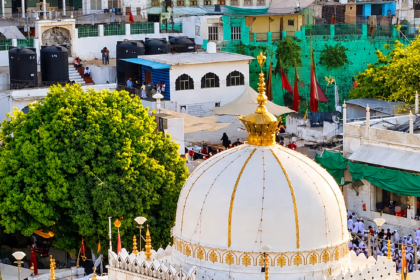
Elevated daytime view of the Ajmer Sharif complex and surrounding city
ajmerdargahsharifziyarat.com > Ziyarat & Rituals > Qawwali (Sama) at Ajmer Sharif – Spiritual Melody & Chishty Tradition
Ziyarat & Rituals

Qawwali (Sama) at Ajmer Sharif – Spiritual Melody & Chishty Tradition

Ajmer Sharif
Last updated: October 5, 2026 5:24 am
Ajmer Sharif
Share
The Dargah complex within the surrounding city of Ajmer.
SHARE

Qawwali (Sama) at Ajmer Sharif – Spiritual Melody & Chishty Tradition

Qawwali (Sama)

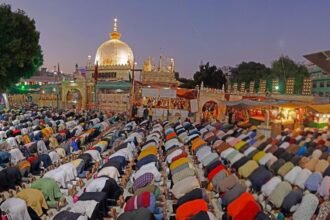
The Luminous Asthana-e-Aliya of Hazrat Khwaja Moinuddin Hasan Chishti (R.A.)
Peaceful nocturnal atmosphere and spiritual ambiance at Ajmer Dargah

Kushtagan-e-Khanjar-e-Tasleem Ra,"

"Har Zaman Az Gaib Jan-e-Deegar Ast"

Contents
  • Qawwali (Sama)
  • Kushtagan-e-Khanjar-e-Tasleem Ra,"
  • Hazrat Khwaja Hasan al-Basri: Hazrat Khwaja Hasan al-Basri stated:
  • Hazrat Khwaja Abu Ishaq Shami Chishti: He said:
  • During Sama, divine secrets are illuminated in the minds of the listeners."
  • Hazrat Abu Muhammad Muqtada: He remarked:
  • Hazrat Qutbuddin Bakhtiyar Kaki: Regarding Sama, he stated:
  • Hazrat Khwaja Baba Fariduddin Ganj-e-Shakar: He stated:
  • Hazrat Nizamuddin Auliya: He stated:

Sama is the spiritual nourishment of the Chishtis.

Through Sama, under the guidance of his spiritual master, a disciple reaches the True Creator.

In a single night of Sama, one can attain what cannot be achieved even through multiple forty-day spiritual retreats (Chillas).

The Historic Mehfil Khana of Ajmer Sharif

Built by the Nawab of Hyderabad in 1888 CE, the Mehfil Khana hosts the sublime nightly Sama assemblies and Urs Qawwali sessions where Chishty masters have listened to divine melodies for centuries.

Read Mehfil Khana History

The gathering of Sama is organized with utmost care and reverence.

Qawwali should be performed in a state of ritual purity (Wuzu), reciting the poetry of masters connected to a spiritual chain (Sahib-e-Nisbat).

The listener must also sit in a state of ablution (Wuzu), kneeling reverently (Do-Zano).

For the noble Sufis, Sama is not merely listening to songs, couplets, or enjoying music. They define the gathering of Sama (Mahfil-e-Sama) as one where listeners sit on their knees in true sincerity, purity, ardent yearning for the Divine, strict adherence to religious law (Shariat), deep respect, and presence of heart.

In this spiritual state, their hearts experience tranquility, ecstasy, and spiritual trance, which aids in their spiritual advancement, giving rise to mystical experiences akin to those recorded by the elders of the faith.

Hazrat Khwaja Hasan al-Basri: Hazrat Khwaja Hasan al-Basri stated:

He who listens with the Divine Truth reaches the Divine Truth, and he who listens with lower self-desires (Nafs) becomes a heretic/fire-worshipper (Zindiq)."

He was a master of Sama and used to experience spiritual ecstasy (Wajd) during it. He frequently said:

Ecstasy is a secret of the heart; when it is set in motion, ecstasy overcomes a person. Sama is the pain of the heart—whoever listens to it with true sincerity reaches the Divine Truth."

Hazrat Abdul Waahid ibn Zaid and Hazrat Sheikh Fuzail ibn Iaz both held Sama in high regard and greatly favored it.

Hazrat Khwaja Alu Mimshad Dinawari: He favored Sama, organized it during the Urs (death anniversary) of his spiritual masters, and listened to it attentively. Someone asked him, "What secrets lie within Sama that you favor it to such an extent?" He replied:

I follow the path of all the noble saints and elders who considered Sama valid and permissible. If the secret of Sama were revealed to people, they would not find peace for even a single moment without it."

Hazrat Khwaja Abu Ishaq Shami Chishti: He said:
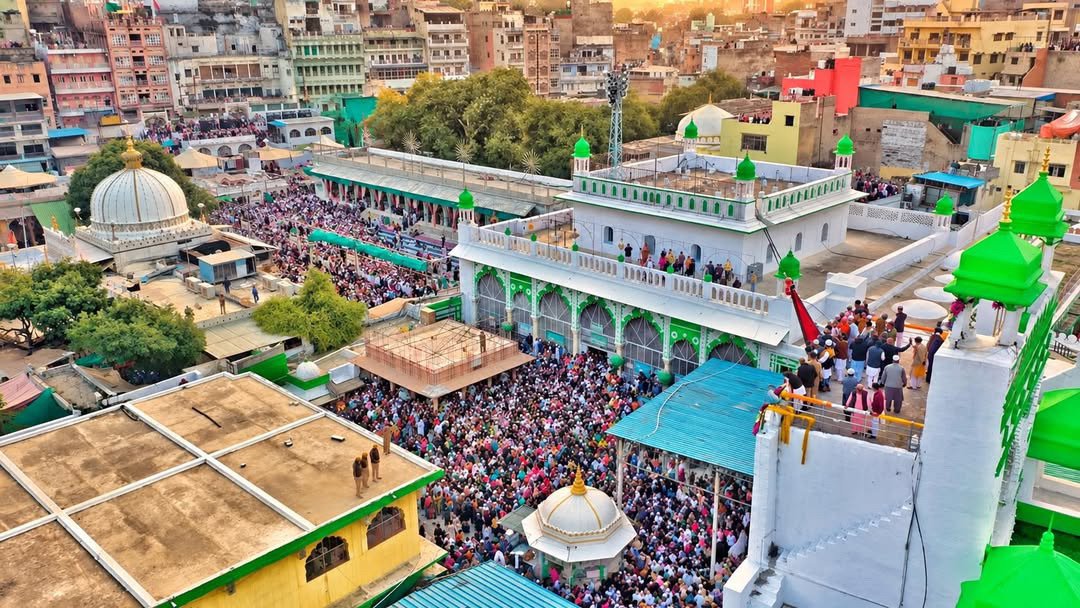
Qawwali (Sama) at Ajmer Sharif - Spiritual Melody & Chishty Tradition - Ajmer Dargah Sharif
Sacred atmosphere and centuries of devotional tradition

During Sama, divine secrets are illuminated in the minds of the listeners."

Whenever he was overcome by spiritual ecstasy in Sama, even the walls and doors would seem to vibrate in harmony. If a sick person attended his gathering, Almighty Allah would restore them to health.

Hazrat Abu Ahmad Abdal: He was deeply fond of Sama. Hazrat Khwaja Siri Saqti used to grace his gathering and participate in the assembly of Sama.

Hazrat Abu Muhammad Muqtada: He remarked:

The spiritual conquest achieved during Sama cannot be attained through any other spiritual exercise. Even if a person engages in years of asceticism and spiritual struggles (Riyazat & Mujahida), they cannot reach the stage that can be achieved in a single moment of Sama."

Hazrat Khwaja Nasiruddin Abu Yusuf: He used to listen to Sama with immense zeal and devotion. During the state of Sama, such a divine light would radiate from his blessed forehead that it illuminated the space between the earth and the sky. Hazrat Abu Bakr Shibli often graced his assembly and listened to Sama.

Hazrat Khwaja Maudud Chishti: A vast number of scholars (Ulema) and spiritual masters (Mashaikh) attended his Sama gatherings. The assembly always began and concluded with the recitation of the Holy Quran. During Sama, he wept so intensely that everyone present would be overcome with tears.

Hazrat Khwaja Usman Harooni: He was a master of Sama. When asked about it, he said:

What do you know of the value of Sama? Our spiritual masters have continuously listened to Sama. None of them abandoned it, and it is obligatory upon me to follow those revered personalities."

The Deputy of the Prophet, Gift of the Messenger, Sultan-ul-Hind, Khwaja Gharib Nawaz, utilized Sama as a medium for propagating Islam. Neither scholars nor jurists (Faqih) raised any objection against his spiritual practice.

Hazrat Qutbuddin Bakhtiyar Kaki: Regarding Sama, he stated:

This is a special blessing from Allah, which is not granted to everyone. Only the one who receives this blessing truly knows its value."

Hazrat Khwaja Baba Fariduddin Ganj-e-Shakar: He stated:

When the seekers of Sama lose consciousness during Sama, it is that same divine call of 'Am I not your Lord?' (Alastu Bi Rabbikum) which they heard in the Realm of Souls (Aalam-e-Arwah). That same state of bliss has remained within them from that day to this. Whenever they hear the name of the Beloved, movement, wonder, longing, and ecstasy overtake them. All of this is due to divine gnosis (Marifat)."

Hazrat Nizamuddin Auliya: He stated:

Sama is a cure for those in spiritual pain. Just as there is a remedy for physical pain, there is no remedy for inner spiritual pain other than Sama."

When love for Almighty Allah dominates a heart and reaches its peak, Sama becomes essential for that seeker.

The underlying foundation and reality of Sama prevalent among Sufis is that it possesses a profound ability to ignite the fire of divine love. During Sama, Sufis experience spiritual unveilings (Makashifat) and attain a unique spiritual joy and states (Ahwal) that cannot be experienced outside of Sama.

Through Sama, their hearts become so pure and refined—just as fire purifies silver by removing its dross. Sama kindles a light within the heart that cleanses all accumulated dust, achieving in moments what years of ascetic practices cannot. It accelerates the soul's connection to the Realm of Souls. Consequently, the seeker becomes completely detached from this perishable world, loses bodily strength, falls, and enters a state of spiritual trance or unconsciousness.

In the Indian subcontinent, the greatest propagator of Islam was Hazrat Khwaja-e-Khwajgan Moinuddin Hasan Chishti (R.A.). It was through him that Sama became widely established. Had it not been in complete accordance with Islamic law (Shariat), these revered Sufi masters would never have popularized it.

An individual's personal taste and preference strongly influence their appreciation or dislike of Sama. Just as one person may be interested in mathematics and science while another delights in poetry, only a person with a living, feeling heart—one who carries spiritual longing—can truly relish Sama. Melodious voices and musical instruments draw out human inner emotion just as friction between iron and stone draws out a spark.

Sama is practiced across various Sufi orders—sometimes with musical instruments (Mazamir) and sometimes without.

The elders of the faith and noble Sufis established specific principles for it. Since Sama holds the status of worship, it must be observed in a peaceful environment, away from worldly distractions, and in a place free from noise and chaos.
Share This Article
Facebook Copy Link Print

Let's Connect

304.9KLike
3MFollow
304.9KPin
844.9MFollow
40.5MSubscribe
39.5KFollow

Popular Posts

The Significance of the Saffron Colour at Ajmer Sharif Dargah

Ajmer Sharif
3 Min Read

Tomb of Nizam Saqqa – The Water-Carrier King Who Saved Humayun

Ajmer Sharif
1 Min Read

Holy Dome (Imaarat-e-Aastana) – The Sanctum Sanctorum of Ajmer Dargah

Ajmer Sharif
7 Min Read

Mir Osman Ali Khan (Nizam of Hyderabad) – Visit & Imperial Endowments at Ajmer

Ajmer Sharif
2 Min Read

You Might Also Like

Ziyarat & Rituals

Today Bollywood Actor Riteish Deshmukh, Genelia D’Souza and Their Son Visit Ajmer Sharif Dargah

1 Min Read
Chishty Lineage & HistoryZiyarat & Rituals

Nazrana to the Khadims – Hereditary Custodians of Ajmer Sharif

2 Min Read
Ziyarat & Rituals

Journey With Hazrat Khwaja Syed Fakhruddin Gurdezi (R.A.)

3 Min Read
Ziyarat & Rituals

The Saints Bow Their Heads (Yahan Sar Jhukate Hain Aulia)

17 Min Read
Ajmer Sharif Dargah

Ajmer Sharif Dargah Digital Heritage

The sacred sanctuary of Hazrat Khwaja Moinuddin Hasan Chishti, Khwaja Gharib Nawaz (R.A.). Dedicated to preserving eight centuries of Chishty spiritual legacy, historical archives, and universal harmony (Sulh-e-Kul).

“Preserving History. Sharing Heritage. Welcoming Every Heart.”

Hereditary Custodian Office

Gaddi Nashin: Syed Layaque Hussain Aghai

Lineage: Khuddam-e-Khwaja (Syedzadgan & Sahabzadgans)

Address: Gate No. 5 Dargah sharif, Ajmer 305001, Rajasthan, India

Direct / WhatsApp: +91 95877 86661

* Authorized arrangements for Ziyarat, Langar & Imperial Degs.

Dargah Tour & Holy Monuments

  • Holy Dome (Aastana-e-Aliya)
  • Buland Darwaza (Majestic Gateway)
  • Jannati Darwaza (Gate of Paradise)
  • Shahjahani White Marble Mosque
  • Akbari Masjid (Emperor Akbar)
  • Mehfil Khana (Royal Sama Hall)
  • Begami Dalan (Ahata-e-Noor)
  • Jhalra Historic Reservoir
  • Golden Crown of Dome (Sone Ka Taj)
  • Nizam Gate (Osmania Darwaza)
  • Aulia Masjid (Solitary Prayer Place)
  • Arcot Dalan (Karnataki Pavilion)
  • Chilla Baba Fariduddin Ganjshakar
  • Naqqar Khana & Shahjahani Gate
  • Langarkhana (Ancient Kitchen)
  • Barhadhari Hauz (Shahjahani Pool)
  • Queen Mary's Historic Hauz
  • Ahata-e-Chaar Yaar
  • Ahata-e-Bibi Chameli (Jasmine Courtyard)
  • Sahabzadi Sahiba Ka Dalan
  • Shahi Ghaat (Royal Steps)
  • Maqbara Sharif (Sacred Tombs)
  • Tomb of Princess Hur-un-Nisa
  • Tomb of Nizam Saqqa
  • Sahan-e-Chirag (Akbari Chiragdan)
  • Sandali Masjid
  • Chilla Khwaja Gharib Nawaz (Ana Sagar)
  • Explore All 24 Dargah Tour Sites →

Heritage & Custodians

  • Who is Khaddim? (Custodians)
  • Our Hereditary Family Heritage
  • BKGN Trust (Welfare & Langar)
  • Syed Layaque Hussain Aghai
  • Syed Afaque Hussain Aghai
  • Syed Ashraf Hussain Aghai
  • Anjuman Syedzadgan Khuddam
  • Hazrat Khwaja Fakhruddin Gurdezi (R.A.)
  • Journey with Fakhruddin Gurdezi (R.A.)
  • Gardezi Sadaat History of Syedzadgan
  • Sacred Shijra & Genealogical Records
  • Historic Court Judgments on Khuddam
  • Islamic Rulings on Nazar & Niyaz
  • Mughal Imperial Firmans & Sanads
  • Welcoming All Hearts (Sulh-e-Kul)

Dargah Sharif & Ziyarat

  • Ajmer Sharif Dargah Guide
  • Ziyarat Guide & Etiquette
  • Summer & Winter Sanctum Timings
  • Daily Sanctum Rituals (Rasam)
  • Priority Ziyarat & Elder Assistance
  • How to Reach Ajmer Sharif
  • Spiritual Healing & Solace

Traditions & Cauldron

  • Imperial Badi Deg (Akbar Cauldron)
  • Choti Deg (Jahangir Cauldron)
  • Badi & Choti Deg Comparison
  • Deg Sponsorship & Booking Guide
  • Sacred Chadar Sharif Peshi
  • What is Mannat? (Sacred Vow)
  • Importance of Holy Langar
  • Niyaz (Blessed Food Distribution)
  • Dua & Holy Fateha Blessings
  • What is Prashad / Tabarruk?
  • Significance of Saffron Colour
  • Qawwali (Sama) Tradition

Khwaja Gharib Nawaz

  • Biography of Khwaja Gharib Nawaz (R.A.)
  • Holy Teachings & Divine Wisdom
  • Early Education of Khwaja Sahib
  • Spiritual Turning Point
  • Meeting with Peer-o-Murshid
  • Mission of Khwaja Gharib Nawaz
  • Teachings & Spiritual Message (Part II)
  • Ethical Sayings & Spiritual Gems
  • Documented Miracles (Karamat)
  • Family of Khwaja Gharib Nawaz (R.A.)
  • Shajra of Chishty Lineage
  • Sufism: Divine Love & Harmony

History & Imperial Visits

  • Kings Become Servants
  • Mughals Visit Dargah Ajmer
  • Hindu Rajas in the Court of Khwaja
  • Lord Curzon's Visit to Ajmer Sharif
  • Sir Mohd Osman Khan Bahadur (Madras)
  • Mir Osman Ali Khan (Nizam of Hyderabad)
  • Sultan Shahabuddin Ghori (1192 CE)
  • Sultan Shamsuddin Iltutmish
  • Sultan Mahmud Khalji of Malwa
  • Sultan Zafar Khan of Gujarat
  • Sher Shah Suri's Pilgrimage
  • The Saints Bow Their Heads
  • Devotee Stories & Blessings
  • Royal Visitors & History Archive →

Chishty Sufi Masters

  • Hazrat Qutbuddin Bakhtiyar Kaki (R.A.)
  • Hazrat Baba Fariduddin Ganjshakar (R.A.)
  • Hazrat Nizamuddin Auliya (R.A.) Delhi
  • Hazrat Amir Khusro (R.A.) Legacy
  • Hazrat Nasiruddin Chiragh-e-Dehlavi (R.A.)
  • Hazrat Banda Nawaz Gesu Daraz (R.A.)
  • Hazrat Makhdum Sabir Kalyari (R.A.)
  • Hazrat Bu-Ali Shah Qalandar (R.A.)
  • Great Chishty Sufi Masters Archive →

Guide, Events & Media

  • Ajmer City & Sightseeing Guide
  • Annual Urs-e-Sharif Pilgrimage
  • Monthly Chatti Sharif Celebrations
  • Brahma Mandir & Pushkar Guide
  • Pushkar Camel Fair & Kartik Purnima
  • Sacred Photo Gallery
  • Devotional Videos Archive
  • Digital Heritage Articles & Blog
  • Contact Hereditary Khuddam Office
  • Official Privacy Policy
  • Legal Disclaimer & Terms
© 2026 Ajmer Sharif Dargah Ziyarat. All rights reserved. | Developed by AAJUBAJU Digital Services
  • Privacy Policy
  • Disclaimer
  • Contact Us
  • Ajmer Guide
Welcome Back!

Sign in to your account

Username or Email Address
Password

Lost your password?