ajmerdargahsharifziyarat.com
  • Home
  • Dargah Tour
    • Holy Dome (Aastana-e-Aliya)
    • Buland Darwaza
    • Jannati Darwaza
    • Shahjahani White Marble Mosque
    • Akbari Masjid (Emperor Akbar)
    • Mehfil Khana (Sama Hall)
    • Begami Dalan (Ahata-e-Noor)
    • Jhalra Historic Reservoir
    • Explore All 24 Dargah Monuments →
  • Heritage
    • Who is Khaddim?
    • Our Hereditary Heritage
    • BKGN Trust
    • Welcoming All Hearts
  • Guide & Events
    • Annual Urs-e-Sharif
    • Monthly Chatti Sharif
    • Ajmer City & Sightseeing
    • Brahma Mandir & Pushkar
  • Dargah Sharif
    • Ajmer Sharif Dargah
    • Ziyarat Guide & Etiquette
    • Dargah Timings
    • Priority Ziyarat Assistance
    • Daily Dargah Rituals
    • How to Reach Ajmer
  • Traditions
    • Badi Deg Cauldron
    • Choti Deg Cauldron
    • Badi vs Choti Deg Difference
    • Book Badi / Choti Deg
    • Sacred Chadar Sharif
    • What is Mannat?
    • Importance of Langar
    • Niyaz & Tabarruk
    • Dua & Holy Fateha
    • Qawwali (Sama)
    • What is Nazar o Niaz
    • What is Urs e Sharif
    • Way of Offering
    • Nazrana to Khaddims
    • Arrangements of Special Dua Prayers
    • Fatwas
  • Khwaja Gharib Nawaz
    • Biography & Life
    • Holy Teachings & Wisdom
    • Family of Khwaja Sahab
    • Shajra of Chishty Lineage
    • Sufism & Sulh-e-Kul
  • History & Stories
    • Great Chishty Sufi Saints
    • Royal Sultans & Imperial Visits
    • Mughal Sanads & Historical Firmans
    • Mughals at Ajmer Dargah
    • Hindu Rajas at Ajmer Dargah
    • Khwaja Fakhruddin Gurdezi (R.A.)
    • The Saints Bow Their Heads
    • Stories of Devotees & Miracles
    • Kings Become Servants
  • Media
    • Gallery
    • Videos
    • Blog
  • Contact
DONATE NOW
  • Dargah Heritage Tour
  • Ziyarat & Rituals
  • Chishty Lineage & History
  • Spiritual Heritage & Teachings
  • Chishty Sufi Masters
  • Holy Cauldron (Deg) & Langar
Saturday, Oct 24, 2026
ajmerdargahsharifziyarat.comajmerdargahsharifziyarat.com
Font ResizerAa
  • Dargah
  • Gallery
  • Ziyarat
  • Contact
Search
  • Home
  • Dargah Tour
    • Holy Dome (Aastana-e-Aliya)
    • Buland Darwaza
    • Jannati Darwaza
    • Shahjahani White Marble Mosque
    • Akbari Masjid (Emperor Akbar)
    • Mehfil Khana (Sama Hall)
    • Begami Dalan (Ahata-e-Noor)
    • Jhalra Historic Reservoir
    • Explore All 24 Dargah Monuments →
  • Heritage
    • Who is Khaddim?
    • Our Hereditary Heritage
    • BKGN Trust
    • Welcoming All Hearts
  • Guide & Events
    • Annual Urs-e-Sharif
    • Monthly Chatti Sharif
    • Ajmer City & Sightseeing
    • Brahma Mandir & Pushkar
  • Dargah Sharif
    • Ajmer Sharif Dargah
    • Ziyarat Guide & Etiquette
    • Dargah Timings
    • Priority Ziyarat Assistance
    • Daily Dargah Rituals
    • How to Reach Ajmer
  • Traditions
    • Badi Deg Cauldron
    • Choti Deg Cauldron
    • Badi vs Choti Deg Difference
    • Book Badi / Choti Deg
    • Sacred Chadar Sharif
    • What is Mannat?
    • Importance of Langar
    • Niyaz & Tabarruk
    • Dua & Holy Fateha
    • Qawwali (Sama)
    • What is Nazar o Niaz
    • What is Urs e Sharif
    • Way of Offering
    • Nazrana to Khaddims
    • Arrangements of Special Dua Prayers
    • Fatwas
  • Khwaja Gharib Nawaz
    • Biography & Life
    • Holy Teachings & Wisdom
    • Family of Khwaja Sahab
    • Shajra of Chishty Lineage
    • Sufism & Sulh-e-Kul
  • History & Stories
    • Great Chishty Sufi Saints
    • Royal Sultans & Imperial Visits
    • Mughal Sanads & Historical Firmans
    • Mughals at Ajmer Dargah
    • Hindu Rajas at Ajmer Dargah
    • Khwaja Fakhruddin Gurdezi (R.A.)
    • The Saints Bow Their Heads
    • Stories of Devotees & Miracles
    • Kings Become Servants
  • Media
    • Gallery
    • Videos
    • Blog
  • Contact
ajmerdargahsharifziyarat.com > Spiritual Heritage & Teachings > Sufism: The Path of Divine Love, Harmony & Sulh-e-Kul
Spiritual Heritage & Teachings

Sufism: The Path of Divine Love, Harmony & Sulh-e-Kul

Ajmer Sharif
Last updated: October 19, 2026 9:25 am
Ajmer Sharif
Share
SHARE

Sufism: The Path of Divine Love, Harmony & Sulh-e-Kul

Sufism (Tasawwuf)

Blessed Shajra & Spiritual Lineage of Hazrat Khwaja Gharib Nawaz (R.A.)
Genealogical heritage and historic records of Khuddam Syedzadgan

This is the era of "-isms". Every individual appears associated with or attached to one "-ism" or another. Everyone considers opposing other "-isms" necessary for the survival of their own "-ism," while searching for solutions to life's struggles within their chosen belief system.

Contents
  • Sufism (Tasawwuf)
  • Core Pillars of Chishty Spiritual Philosophy

All these "-isms"—namely Idealism, Individualism, Socialism, Guild Socialism, Syndicalism, Communism, Nationalism, Internationalism, Cosmopolitanism, Rationalism, Communalism, etc.—carry their own specific political and economic perspectives. Their primary emphasis is on politics and economics. They consider a specific political and economic system essential for individual improvement, welfare, superiority, and progress. Politics and economics go hand in hand; the reflection of one naturally falls upon the other. The form of government mirrors economic conditions. The purpose of governance is to protect the legitimate rights of the individual and to liberate the weak (underprivileged) from the clutches of the powerful.

Amidst all these "-isms," Sufism stands at work. It pertains to moral and spiritual life. Its objective is to improve personal life through continuous effort, though this does not mean it is a tool for self-gain or arbitrary progress.

The Golden Rule of Khwaja Gharib Nawaz

'Love towards all, malice towards none.' This eternal Chishty philosophy made Ajmer Sharif the spiritual beacon of communal harmony and universal peace.

Read Khwaja Saheb Teachings

Sufism seeks to bring personal capabilities into active use. The power gained through this is meant to be devoted to the service of creation (Khidmat-e-Khalq), rather than personal enhancement. This makes it clear that Sufism is neither a training principle like "Pelmanism" nor any form of "Hypnotism" or "Mesmerism".

The purpose of Sufism is divine intuition (Wajdaniyat)—to recognize and understand the inner feelings within the self (Nafs) that are beneficial or harmful to it.

Its subject is the refinement of character (Akhlaq-e-Nafs). It deals directly with the states (Awariz) of the self. The central idea of Sufism is that the love of worldly desires is the root of all sins. Its ultimate purpose, intent, and meaning are to attain proximity to God and reach the divine presence.

Sufism is not the name of a movement, but a specific worldview. It develops in a person the capacity to protect the rights of society.

A human being is a kingdom in themselves. One must first learn to govern oneself. Only when a person learns self-governance can they guide others. Nobility of character, elevation of thought, cause-and-effect insight, and impactful speech come from self-restraint (Zabt-e-Nafs). A person's perspective is a product of their environment—they are influenced by their surroundings. Since perspective is shaped by thought, righteous thoughts are essential.

The goal of Sufism is the purity and clarity of thought.

Life is a combination of joy and sorrow, profit and loss. According to Sufism, true human happiness lies in surrendering oneself to the will of God.

Greed and lust are obstacles to human progress. Sufism finds the secret to human growth in contentment (Qana'at) and trust in God (Tawakkul). If people become truly contented instead of overly ambitious, the question of exploiting others would never arise.

Love and affection are the driving forces (Muharrikat) of Sufism. Love is the antithesis of hatred. Hatred between individuals or between communities stems from a failure to recognize oneself. Distinctions of color and race are human-made; these distinctions exist only as long as human sympathy is absent.
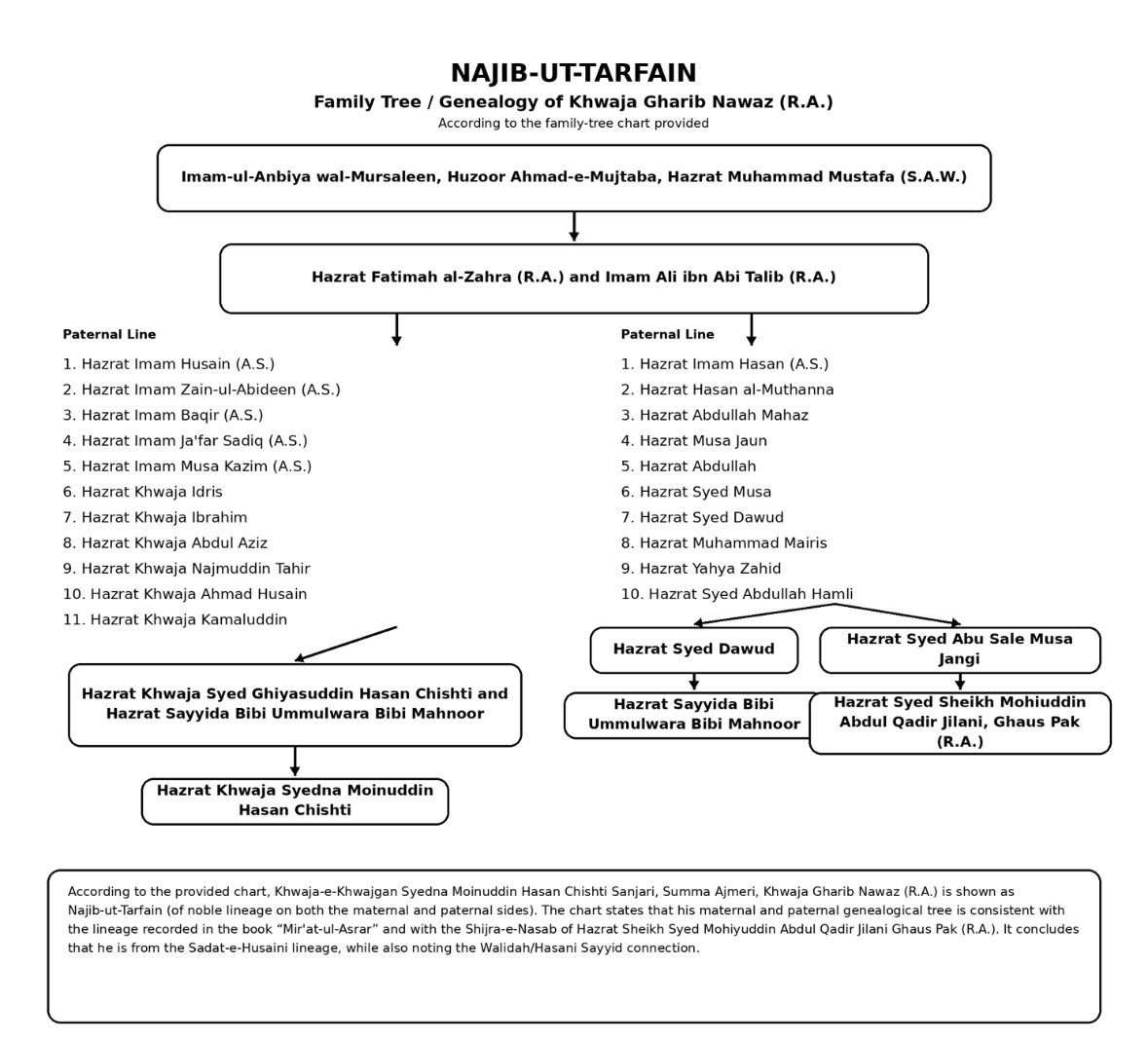
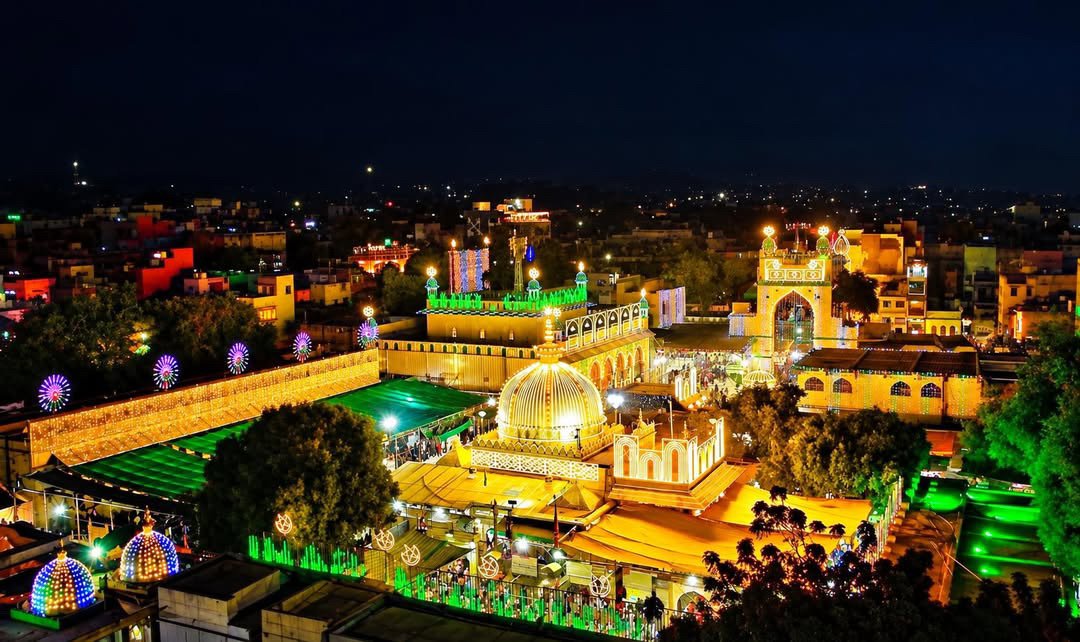
Sufism: The Path of Divine Love, Harmony & Sulh-e-Kul - Ajmer Dargah Sharif
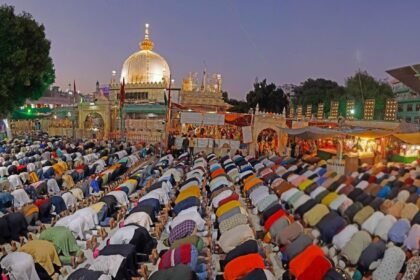
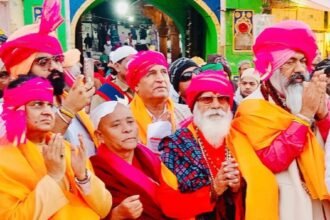
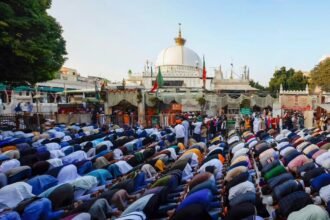
Sacred atmosphere and centuries of devotional tradition

The core idea of democracy and democratic systems is human dignity, equality, and brotherhood. A democratic system demands that individuals be free from selfishness, profiteering, black-marketing, falsehood, deceit, hypocrisy, treachery, and cunningness. Humanity must embody truth, purity, and selflessness. For democracy to endure, every individual must help themselves while helping others. Self-help and mutual cooperation are the hallmarks of developed societies—but true self-help is possible only when a person turns toward the Creator rather than the creation.

Sufism teaches absolute trust in God. Whoever relies solely on creation turns their face away from the boundless powers of the Creator.

Expecting anything from creation is contrary to the principles of Sufism.

Only that person can truly help others whose heart resounds with human empathy and who has tasted the cup of divine love.

According to Sufism, serving every living soul is essential. Greatness cannot be achieved without service. Those who seek authority and high positions must dedicate themselves to serving creation. Upon attaining power or rank, one should express gratitude to God and view the position as an opportunity and means to serve His creation. Humility, modesty, and selflessness (Khaksari) should be their defining traits.

This makes it evident that moral and spiritual virtues are indispensable for the survival, growth, and progress of democratic systems. Unlike other "-isms," Sufism places its entire emphasis on morality and spirituality. For the survival and flourishing of democracy, Sufi culture, Sufi perspectives, Sufi modes of thinking, Sufi lifestyles, and Sufi principles are vital.

The resolution to life's conflicts lies within Sufism. Class conflict, mental conflict, personal struggle, collective conflict, and economic distress—the solution to all of these lies in freeing oneself from selfish desires, which is the foundational principle of Sufism.

Sufism is free from sectarianism, narrow-mindedness, and prejudice.

The defining features of Sufi culture are contentment, trust in God, steadfastness, love, self-discipline, gratitude, sincerity, devotion, self-accountability, remembrance, reflection, patience, and certainty. These virtues serve as the supporting pillars and helpers of democracy.
Core Pillars of Chishty Spiritual Philosophy

  • River-like Generosity (Darya Jaisi Sakhawat): Serving all human beings selflessly without asking their background.
  • Sun-like Affection (Aftab Jaisi Shafqat): Spreading warmth and blessings universally upon everyone equally.
  • Earth-like Hospitality (Zameen Jaisi Tawazu): Welcoming every creature with supreme humility and tolerance.
  • Sulh-e-Kul (Peace with All): Complete harmony, absence of hatred, and loving reverence toward all creation.
Share This Article
Facebook Copy Link Print

Let's Connect

304.9KLike
3MFollow
304.9KPin
844.9MFollow
40.5MSubscribe
39.5KFollow

Popular Posts

Jhalra – The Sacred Historic Water Reservoir of Ajmer Sharif Dargah

Ajmer Sharif
6 Min Read

Begami Dalan (Ahata-e-Noor) – The Radiant Courtyard of Princess Jahanara

Ajmer Sharif
5 Min Read

Nazrana to the Khadims – Hereditary Custodians of Ajmer Sharif

Ajmer Sharif
2 Min Read

Journey With Hazrat Khwaja Syed Fakhruddin Gurdezi (R.A.)

Ajmer Sharif
3 Min Read

You Might Also Like

Spiritual Heritage & Teachings

Welcoming All Hearts – Universal Harmony at Ajmer Sharif Dargah

2 Min Read
Spiritual Heritage & TeachingsZiyarat & Rituals

What is Nazar o Niaz – Offerings & Vows at Ajmer Sharif Dargah

4 Min Read
Spiritual Heritage & Teachings

Hazrat Khwaja Gharib Nawaz (R.A.) Meets His Murshid-e-Kamil – Hazrat Usman Harooni (R.A.)

6 Min Read
Spiritual Heritage & Teachings

Ethical Sayings & Spiritual Gems of Wisdom of Hazrat Khwaja Gharib Nawaz (R.A.)

9 Min Read
Ajmer Sharif Dargah

Ajmer Sharif Dargah Digital Heritage

The sacred sanctuary of Hazrat Khwaja Moinuddin Hasan Chishti, Khwaja Gharib Nawaz (R.A.). Dedicated to preserving eight centuries of Chishty spiritual legacy, historical archives, and universal harmony (Sulh-e-Kul).

“Preserving History. Sharing Heritage. Welcoming Every Heart.”

Hereditary Custodian Office

Gaddi Nashin: Syed Layaque Hussain Aghai

Lineage: Khuddam-e-Khwaja (Syedzadgan & Sahabzadgans)

Address: Gate No. 5 Dargah sharif, Ajmer 305001, Rajasthan, India

Direct / WhatsApp: +91 95877 86661

* Authorized arrangements for Ziyarat, Langar & Imperial Degs.

Dargah Tour & Holy Monuments

  • Holy Dome (Aastana-e-Aliya)
  • Buland Darwaza (Majestic Gateway)
  • Jannati Darwaza (Gate of Paradise)
  • Shahjahani White Marble Mosque
  • Akbari Masjid (Emperor Akbar)
  • Mehfil Khana (Royal Sama Hall)
  • Begami Dalan (Ahata-e-Noor)
  • Jhalra Historic Reservoir
  • Golden Crown of Dome (Sone Ka Taj)
  • Nizam Gate (Osmania Darwaza)
  • Aulia Masjid (Solitary Prayer Place)
  • Arcot Dalan (Karnataki Pavilion)
  • Chilla Baba Fariduddin Ganjshakar
  • Naqqar Khana & Shahjahani Gate
  • Langarkhana (Ancient Kitchen)
  • Barhadhari Hauz (Shahjahani Pool)
  • Queen Mary's Historic Hauz
  • Ahata-e-Chaar Yaar
  • Ahata-e-Bibi Chameli (Jasmine Courtyard)
  • Sahabzadi Sahiba Ka Dalan
  • Shahi Ghaat (Royal Steps)
  • Maqbara Sharif (Sacred Tombs)
  • Tomb of Princess Hur-un-Nisa
  • Tomb of Nizam Saqqa
  • Sahan-e-Chirag (Akbari Chiragdan)
  • Sandali Masjid
  • Chilla Khwaja Gharib Nawaz (Ana Sagar)
  • Explore All 24 Dargah Tour Sites →

Heritage & Custodians

  • Who is Khaddim? (Custodians)
  • Our Hereditary Family Heritage
  • BKGN Trust (Welfare & Langar)
  • Syed Layaque Hussain Aghai
  • Syed Afaque Hussain Aghai
  • Syed Ashraf Hussain Aghai
  • Anjuman Syedzadgan Khuddam
  • Hazrat Khwaja Fakhruddin Gurdezi (R.A.)
  • Journey with Fakhruddin Gurdezi (R.A.)
  • Gardezi Sadaat History of Syedzadgan
  • Sacred Shijra & Genealogical Records
  • Historic Court Judgments on Khuddam
  • Islamic Rulings on Nazar & Niyaz
  • Mughal Imperial Firmans & Sanads
  • Welcoming All Hearts (Sulh-e-Kul)

Dargah Sharif & Ziyarat

  • Ajmer Sharif Dargah Guide
  • Ziyarat Guide & Etiquette
  • Summer & Winter Sanctum Timings
  • Daily Sanctum Rituals (Rasam)
  • Priority Ziyarat & Elder Assistance
  • How to Reach Ajmer Sharif
  • Spiritual Healing & Solace

Traditions & Cauldron

  • Imperial Badi Deg (Akbar Cauldron)
  • Choti Deg (Jahangir Cauldron)
  • Badi & Choti Deg Comparison
  • Deg Sponsorship & Booking Guide
  • Sacred Chadar Sharif Peshi
  • What is Mannat? (Sacred Vow)
  • Importance of Holy Langar
  • Niyaz (Blessed Food Distribution)
  • Dua & Holy Fateha Blessings
  • What is Prashad / Tabarruk?
  • Significance of Saffron Colour
  • Qawwali (Sama) Tradition

Khwaja Gharib Nawaz

  • Biography of Khwaja Gharib Nawaz (R.A.)
  • Holy Teachings & Divine Wisdom
  • Early Education of Khwaja Sahib
  • Spiritual Turning Point
  • Meeting with Peer-o-Murshid
  • Mission of Khwaja Gharib Nawaz
  • Teachings & Spiritual Message (Part II)
  • Ethical Sayings & Spiritual Gems
  • Documented Miracles (Karamat)
  • Family of Khwaja Gharib Nawaz (R.A.)
  • Shajra of Chishty Lineage
  • Sufism: Divine Love & Harmony

History & Imperial Visits

  • Kings Become Servants
  • Mughals Visit Dargah Ajmer
  • Hindu Rajas in the Court of Khwaja
  • Lord Curzon's Visit to Ajmer Sharif
  • Sir Mohd Osman Khan Bahadur (Madras)
  • Mir Osman Ali Khan (Nizam of Hyderabad)
  • Sultan Shahabuddin Ghori (1192 CE)
  • Sultan Shamsuddin Iltutmish
  • Sultan Mahmud Khalji of Malwa
  • Sultan Zafar Khan of Gujarat
  • Sher Shah Suri's Pilgrimage
  • The Saints Bow Their Heads
  • Devotee Stories & Blessings
  • Royal Visitors & History Archive →

Chishty Sufi Masters

  • Hazrat Qutbuddin Bakhtiyar Kaki (R.A.)
  • Hazrat Baba Fariduddin Ganjshakar (R.A.)
  • Hazrat Nizamuddin Auliya (R.A.) Delhi
  • Hazrat Amir Khusro (R.A.) Legacy
  • Hazrat Nasiruddin Chiragh-e-Dehlavi (R.A.)
  • Hazrat Banda Nawaz Gesu Daraz (R.A.)
  • Hazrat Makhdum Sabir Kalyari (R.A.)
  • Hazrat Bu-Ali Shah Qalandar (R.A.)
  • Great Chishty Sufi Masters Archive →

Guide, Events & Media

  • Ajmer City & Sightseeing Guide
  • Annual Urs-e-Sharif Pilgrimage
  • Monthly Chatti Sharif Celebrations
  • Brahma Mandir & Pushkar Guide
  • Pushkar Camel Fair & Kartik Purnima
  • Sacred Photo Gallery
  • Devotional Videos Archive
  • Digital Heritage Articles & Blog
  • Contact Hereditary Khuddam Office
  • Official Privacy Policy
  • Legal Disclaimer & Terms
© 2026 Ajmer Sharif Dargah Ziyarat. All rights reserved. | Developed by AAJUBAJU Digital Services
  • Privacy Policy
  • Disclaimer
  • Contact Us
  • Ajmer Guide
Welcome Back!

Sign in to your account

Username or Email Address
Password

Lost your password?