

Badi Deg & Choti Deg Difference – Full Comparison & Details
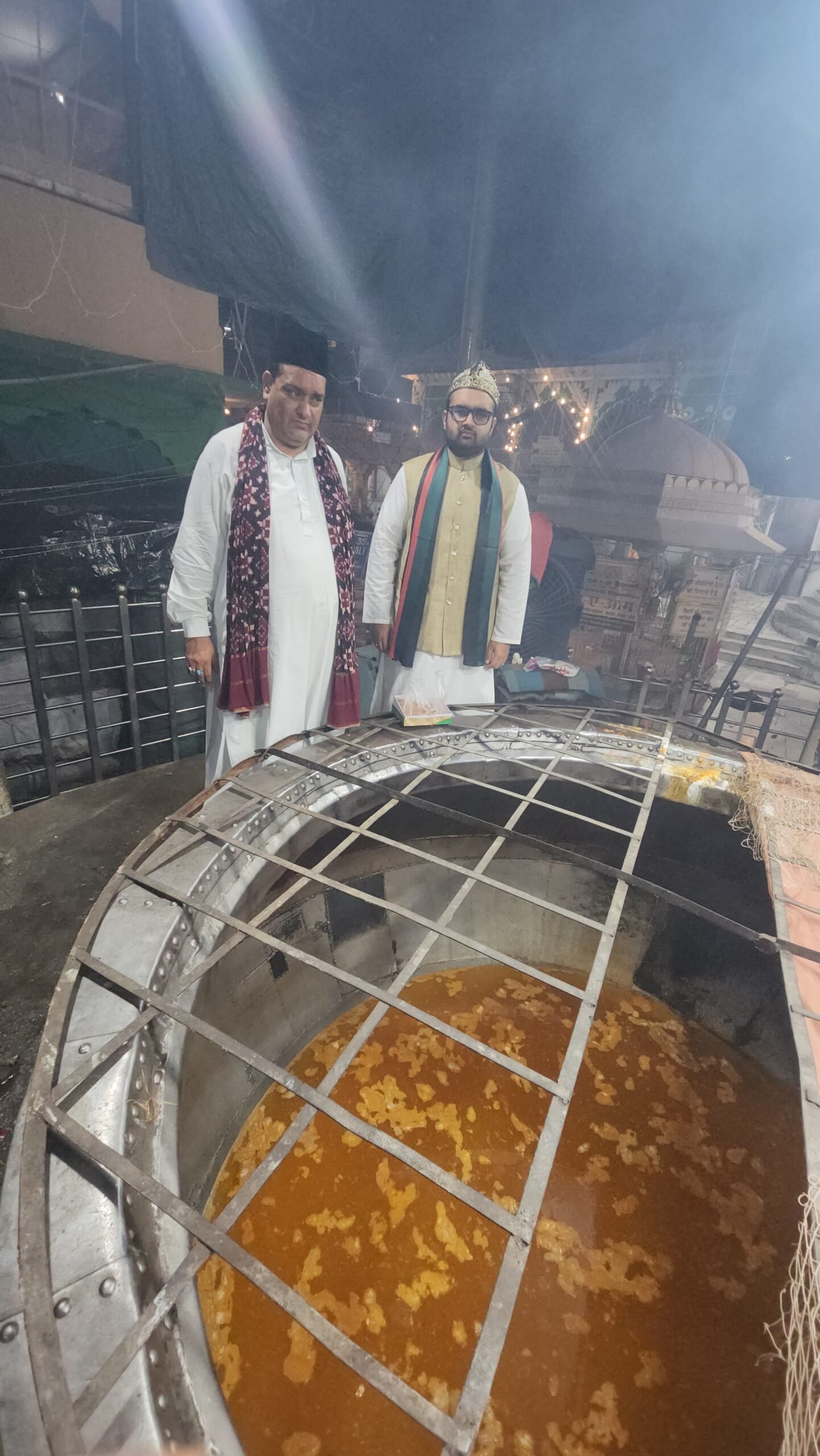
The two gigantic cauldrons flanking the Buland Darwaza at Ajmer Sharif—the Badi Deg and the Choti Deg—are world-renowned symbols of selfless generosity, imperial devotion, and divine charity.

While both cauldrons are dedicated to preparing consecrated sweet rice (Niyaz) for the pilgrims of Hazrat Khwaja Gharib Nawaz (R.A.), there are distinct historical, dimensional, and logistical differences between them.
Comparative Overview: Badi Deg vs Choti Deg
1. Imperial Patronage & Historical Date
The Badi Deg was presented by Emperor Akbar the Great in 1568 CE (976 AH) following the conquest of Chittorgarh, honoring a vow he had made. The Choti Deg was presented nearly half a century later in 1613 CE (1022 AH) by Akbar's son, Emperor Jahangir, during his imperial residence at Ajmer.
Booking Guidance from Hereditary Khuddam
Whether you choose Badi Deg or Choti Deg, hereditary Khuddam oversee every detail: sourcing authentic pure ghee and saffron, reciting sacred Fateha, and organizing orderly distribution.
2. Physical Location Inside the Shrine
Upon entering through the Buland Darwaza into the inner compound, the Badi Deg is located to the right (western side), while the Choti Deg is positioned to the left (eastern side).
3. Cooking Capacity and Volume
Badi Deg: Capable of preparing 125 Maunds (approximately 4,800 kg) of food in a single cooking cycle, feeding up to 15,000 to 20,000 devotees.
Choti Deg: Capable of preparing 80 Maunds (approximately 2,400 kg) of food in a single cooking cycle, feeding approximately 8,000 to 10,000 devotees.
4. Ingredient Quantities
Badi Deg requires approximately 2,400 kg of rice, 1,200 kg of sugar, and 200 kg of pure desi ghee. Choti Deg requires approximately 1,200 kg of rice, 600 kg of sugar, and 100 kg of pure desi ghee, in addition to dry fruits, saffron, and spices.
5. Budget and Sponsoring Consideration
Devotees choose between the two based on their family vows and budget. The Choti Deg is often chosen by individual families and business owners, while the Badi Deg is frequently chosen by larger communities, corporate leaders, or grand celebratory vows.