
ajmerdargahsharifziyarat.com
  • Home
  • Dargah Tour
    • Holy Dome (Aastana-e-Aliya)
    • Buland Darwaza
    • Jannati Darwaza
    • Shahjahani White Marble Mosque
    • Akbari Masjid (Emperor Akbar)
    • Mehfil Khana (Sama Hall)
    • Begami Dalan (Ahata-e-Noor)
    • Jhalra Historic Reservoir
    • Explore All 24 Dargah Monuments →
  • Heritage
    • Who is Khaddim?
    • Our Hereditary Heritage
    • BKGN Trust
    • Welcoming All Hearts
  • Guide & Events
    • Annual Urs-e-Sharif
    • Monthly Chatti Sharif
    • Ajmer City & Sightseeing
    • Brahma Mandir & Pushkar
  • Dargah Sharif
    • Ajmer Sharif Dargah
    • Ziyarat Guide & Etiquette
    • Dargah Timings
    • Priority Ziyarat Assistance
    • Daily Dargah Rituals
    • How to Reach Ajmer
  • Traditions
    • Badi Deg Cauldron
    • Choti Deg Cauldron
    • Badi vs Choti Deg Difference
    • Book Badi / Choti Deg
    • Sacred Chadar Sharif
    • What is Mannat?
    • Importance of Langar
    • Niyaz & Tabarruk
    • Dua & Holy Fateha
    • Qawwali (Sama)
    • What is Nazar o Niaz
    • What is Urs e Sharif
    • Way of Offering
    • Nazrana to Khaddims
    • Arrangements of Special Dua Prayers
    • Fatwas
  • Khwaja Gharib Nawaz
    • Biography & Life
    • Holy Teachings & Wisdom
    • Family of Khwaja Sahab
    • Shajra of Chishty Lineage
    • Sufism & Sulh-e-Kul
  • History & Stories
    • Great Chishty Sufi Saints
    • Royal Sultans & Imperial Visits
    • Mughal Sanads & Historical Firmans
    • Mughals at Ajmer Dargah
    • Hindu Rajas at Ajmer Dargah
    • Khwaja Fakhruddin Gurdezi (R.A.)
    • The Saints Bow Their Heads
    • Stories of Devotees & Miracles
    • Kings Become Servants
  • Media
    • Gallery
    • Videos
    • Blog
  • Contact
DONATE NOW
  • Dargah Heritage Tour
  • Ziyarat & Rituals
  • Chishty Lineage & History
  • Spiritual Heritage & Teachings
  • Chishty Sufi Masters
  • Holy Cauldron (Deg) & Langar
Saturday, Oct 24, 2026
ajmerdargahsharifziyarat.comajmerdargahsharifziyarat.com
Font ResizerAa
  • Dargah
  • Gallery
  • Ziyarat
  • Contact
Search
  • Home
  • Dargah Tour
    • Holy Dome (Aastana-e-Aliya)
    • Buland Darwaza
    • Jannati Darwaza
    • Shahjahani White Marble Mosque
    • Akbari Masjid (Emperor Akbar)
    • Mehfil Khana (Sama Hall)
    • Begami Dalan (Ahata-e-Noor)
    • Jhalra Historic Reservoir
    • Explore All 24 Dargah Monuments →
  • Heritage
    • Who is Khaddim?
    • Our Hereditary Heritage
    • BKGN Trust
    • Welcoming All Hearts
  • Guide & Events
    • Annual Urs-e-Sharif
    • Monthly Chatti Sharif
    • Ajmer City & Sightseeing
    • Brahma Mandir & Pushkar
  • Dargah Sharif
    • Ajmer Sharif Dargah
    • Ziyarat Guide & Etiquette
    • Dargah Timings
    • Priority Ziyarat Assistance
    • Daily Dargah Rituals
    • How to Reach Ajmer
  • Traditions
    • Badi Deg Cauldron
    • Choti Deg Cauldron
    • Badi vs Choti Deg Difference
    • Book Badi / Choti Deg
    • Sacred Chadar Sharif
    • What is Mannat?
    • Importance of Langar
    • Niyaz & Tabarruk
    • Dua & Holy Fateha
    • Qawwali (Sama)
    • What is Nazar o Niaz
    • What is Urs e Sharif
    • Way of Offering
    • Nazrana to Khaddims
    • Arrangements of Special Dua Prayers
    • Fatwas
  • Khwaja Gharib Nawaz
    • Biography & Life
    • Holy Teachings & Wisdom
    • Family of Khwaja Sahab
    • Shajra of Chishty Lineage
    • Sufism & Sulh-e-Kul
  • History & Stories
    • Great Chishty Sufi Saints
    • Royal Sultans & Imperial Visits
    • Mughal Sanads & Historical Firmans
    • Mughals at Ajmer Dargah
    • Hindu Rajas at Ajmer Dargah
    • Khwaja Fakhruddin Gurdezi (R.A.)
    • The Saints Bow Their Heads
    • Stories of Devotees & Miracles
    • Kings Become Servants
  • Media
    • Gallery
    • Videos
    • Blog
  • Contact
ajmerdargahsharifziyarat.com > Ziyarat & Rituals > What is Mannat? The Sacred Vow of Devotion at Ajmer Sharif
Ziyarat & Rituals

What is Mannat? The Sacred Vow of Devotion at Ajmer Sharif

Ajmer Sharif
Last updated: October 5, 2026 9:20 am
Ajmer Sharif
Share
Screenshot
SHARE

What is Mannat? The Sacred Vow of Devotion at Ajmer Sharif

Mannat at Ajmer Sharif
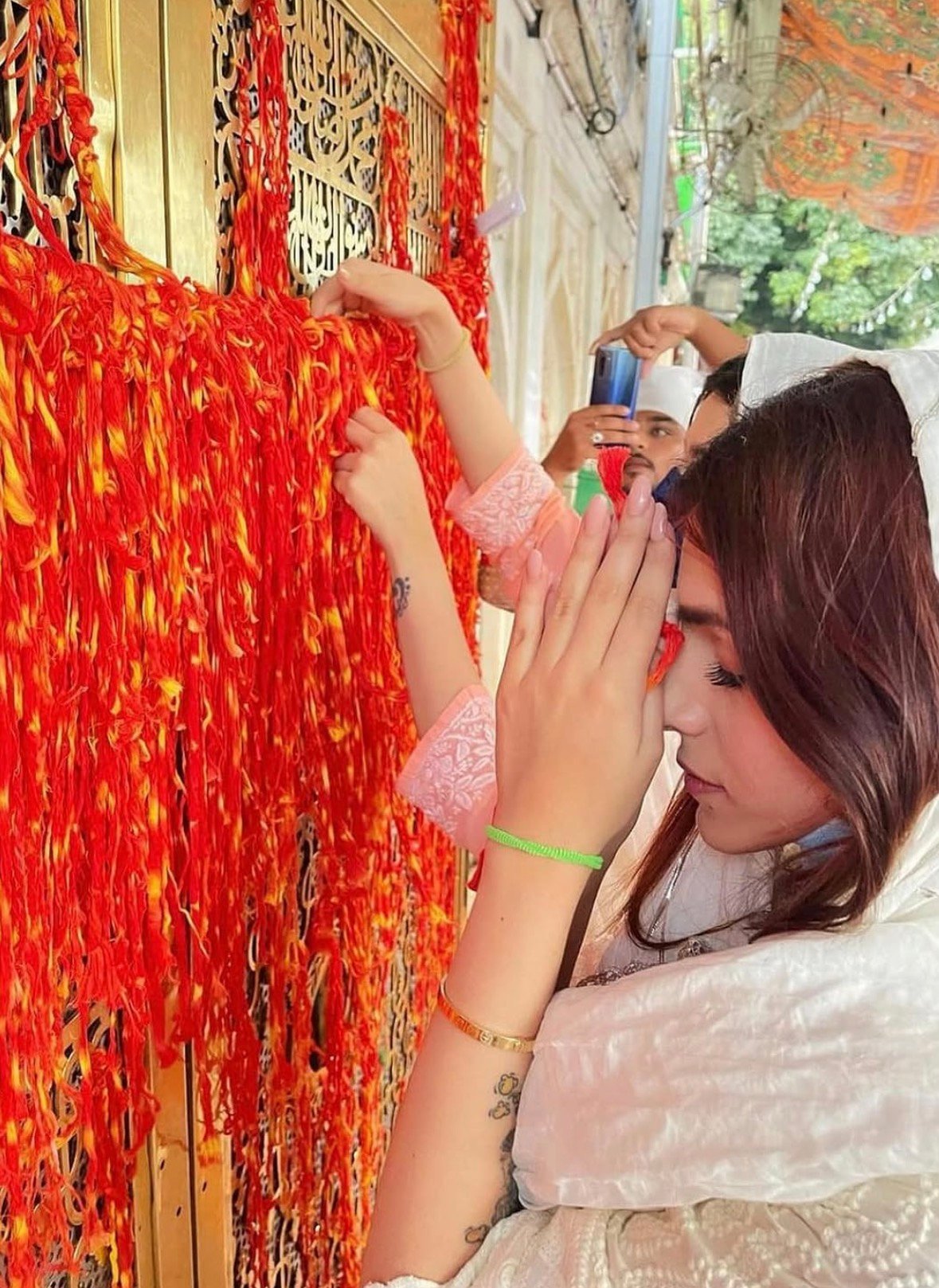
A visitor praying beside a red and gold decorated lattice
A visitor in prayer beside the decorated lattice.

How to Make a Mannat & What Devotees Traditionally Do After It Is Fulfilled

A visit to Ajmer Sharif can be deeply personal for a devotee.

Contents
  • Mannat at Ajmer Sharif
  • How to Make a Mannat & What Devotees Traditionally Do After It Is Fulfilled
  • What Is a Mannat?
  • How Do Devotees Make a Mannat at Ajmer Sharif?
  • A simple devotional visit may involve:
    • 1. Visit Ajmer Sharif
    • 2. Offer Your Prayer
    • 3. Make Your Personal Intention
    • 4. Offer Chadar or Flowers
    • 5. Choose an Act of Service
  • What Can a Mannat Be For?
  • For example:
  • Family happiness
  • Peace and well-being
  • A new beginning
  • Gratitude
  • Personal difficulties
  • Family matters
  • Important life decisions
  • Success in an undertaking
  • Remembering a loved one
  • Spiritual strength and guidance
  • What Do Devotees Traditionally Do After a Mannat Is Fulfilled?
  • Some devotees may:
  • Offer a Chadar
  • Arrange Niyaz
  • Arrange Langar
  • Visit for Ziyarat
  • Give Charity
  • Mannat and Badi Deg / Choti Deg
  • Badi Deg
  • or
  • Choti Deg
  • Mannat, Niyaz & Langar
  • Such an arrangement may be made for:
  • Family occasions
  • Gratitude
  • Remembrance
  • Special dates
  • Personal devotional intentions
  • Acts of charity and service
  • Mannat and Chadar at Ajmer Sharif
  • We can discuss:
  • Chadar arrangements
  • Flowers
  • Ziyarat assistance
  • Special occasions
  • Family devotional arrangements
  • Niyaz and Langar
  • Can Someone Make a Mannat Without Visiting Ajmer?
  • Mannat for a Loved One
  • Mannat for People of Different Faiths
  • What You Should Know Before Making a Mannat
  • Our Commitment to Devotees
  • We aim to explain:
  • What is being arranged
  • What is included
  • The applicable cost
  • The expected date/time where applicable
  • How the arrangement will be carried out
  • What confirmation can be provided
  • A Mannat Is More Than a Wish
  • Plan Your Mannat-Related Arrangement
  • We can discuss:
  • Ziyarat • Chadar • Flowers • Dua/Fateha • Niyaz • Langar • Badi Deg • Choti Deg
  • [Arrange Niyaz / Langar]

Many people come to the sacred Dargah of Hazrat Khwaja Moinuddin Hasan Chishty (R.A.), Khwaja Gharib Nawaz, with a prayer in their heart, a hope for the future, gratitude for something already received, or a personal vow known as Mannat.

Mannat is a matter of personal faith and devotion. Every devotee may understand and observe it differently according to their family tradition, beliefs and circumstances.

The Sacred Red Thread of Mannat

Devotees tie consecrated red cotton threads (Mannat Ka Dhaga) upon the intricately carved marble lattice jalis of Asthana-e-Aliya, untying them with thankful hearts when their prayers are answered.

Seek Dua & Mannat

What Is a Mannat?

Mannat is commonly understood as a personal vow, promise or heartfelt religious intention made by a person while praying for something important to them.

A devotee may make a personal commitment such as returning to Ajmer Sharif, offering a Chadar, arranging Niyaz or Langar, or performing an act of charity if their prayer is accepted.

The form of Mannat is personal.

There is no need to make a large or expensive commitment. What matters is the sincerity of the devotee's intention and the act of devotion or service they choose according to their beliefs.

How Do Devotees Make a Mannat at Ajmer Sharif?

There is no single procedure that applies to every person.

Devotees generally approach their prayer with sincerity and respect.

A simple devotional visit may involve:

1. Visit Ajmer Sharif

Come to the Dargah respectfully and learn about the sacred shrine and its traditions.

2. Offer Your Prayer

Make your personal Dua according to your faith and beliefs.

You may pray for yourself, your family, your loved ones or another personal matter.

3. Make Your Personal Intention

If you wish to make a Mannat, you may privately make your personal vow or intention.

Your Mannat should be something you genuinely intend to fulfil.

4. Offer Chadar or Flowers

Some devotees choose to offer a Chadar or flowers as part of their devotional visit.

5. Choose an Act of Service

Some devotees associate fulfilment of their Mannat with Niyaz, Langar, feeding people or another charitable act.

The choice is personal.

What Can a Mannat Be For?

People may make personal prayers for many reasons.

For example:

Family happiness

Peace and well-being

A new beginning

Gratitude

Personal difficulties

Family matters

Important life decisions

Success in an undertaking

Remembering a loved one

Spiritual strength and guidance

These are examples of personal intentions only. No particular prayer or Mannat comes with a guaranteed outcome.

What Do Devotees Traditionally Do After a Mannat Is Fulfilled?

When a devotee believes that their personal prayer has been answered, they may return to Ajmer Sharif or perform an act of devotion or charity according to their commitment.

Some devotees may:

Offer a Chadar

They may arrange a Chadar and flowers and offer them at the sacred shrine.

Arrange Niyaz

Some families prepare or arrange Niyaz and share food with others as an expression of gratitude.

Arrange Langar

A devotee may choose to arrange food distribution or Langar as an act of generosity and service.

Visit for Ziyarat

Some devotees return personally to Ajmer Sharif to perform Ziyarat and express their gratitude.

Give Charity

Others may choose an appropriate charitable act according to their beliefs and circumstances.

Mannat and Badi Deg / Choti Deg

Some devotees choose to fulfil a personal vow through an offering connected with the traditional Deg/Niyaz arrangements at Ajmer Sharif.

Depending on their intention and available arrangements, devotees may enquire about:

Badi Deg

or

Choti Deg

These arrangements involve preparation and distribution of food as Niyaz.

If you are considering this for a Mannat, we can explain the available arrangements, requirements, applicable charges and process before confirming anything.

[Learn About Badi Deg]

[Learn About Choti Deg]

Mannat, Niyaz & Langar

For many devotees, sharing food is an important expression of gratitude and service.
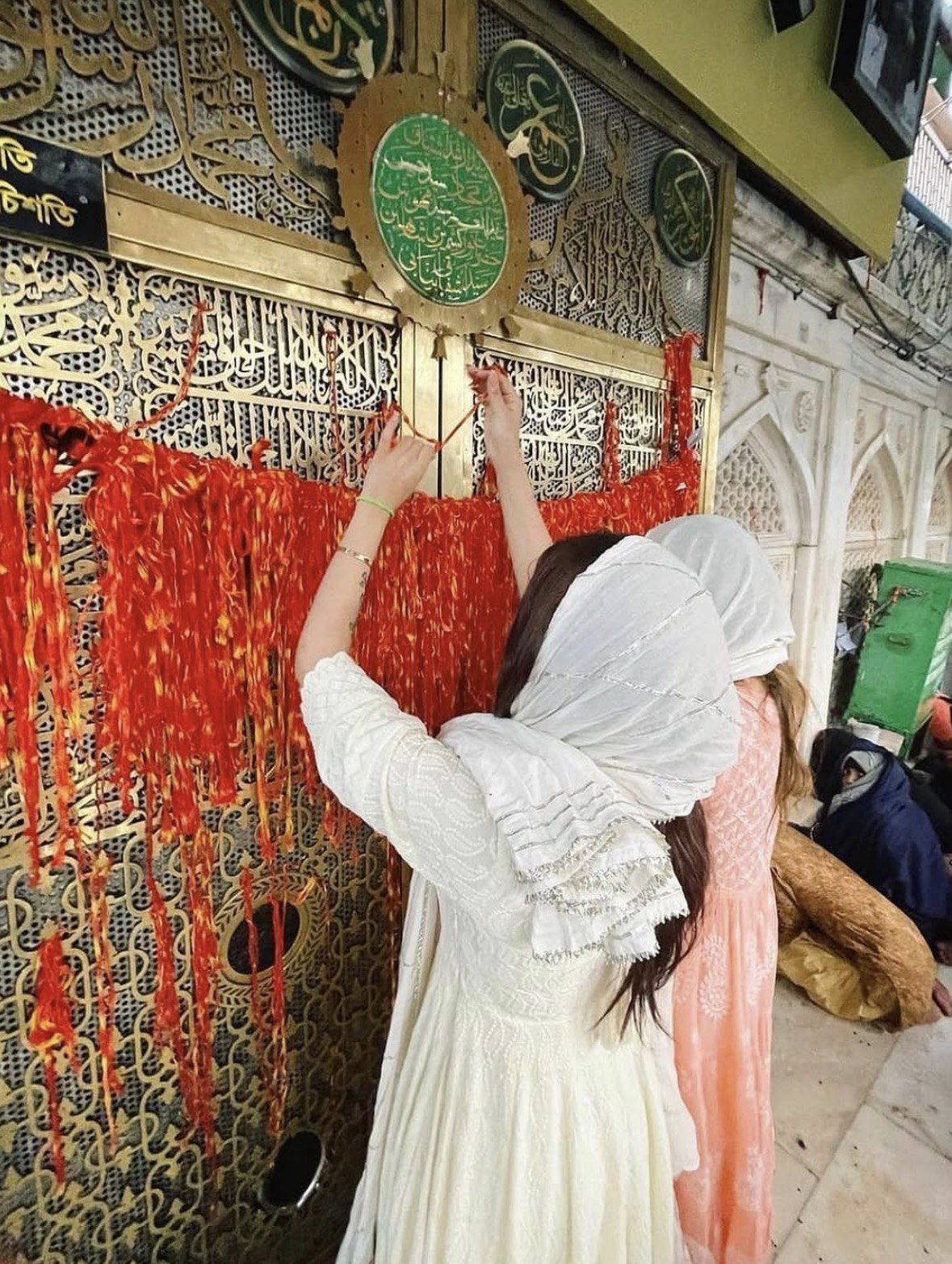
A visitor reaching toward a red and gold decorated lattice
A visitor beside the decorated lattice.

A family may choose to arrange Niyaz or Langar after completing a personal vow.

Such an arrangement may be made for:

Family occasions

Gratitude

Remembrance

Special dates

Personal devotional intentions

Acts of charity and service

The emphasis is on sharing, generosity and service to people.

[Arrange Niyaz]

[Arrange Langar]

Mannat and Chadar at Ajmer Sharif

A Chadar offering can be a meaningful part of a devotee's visit.

If you are unable to travel personally, you may contact us to discuss whether the requested arrangement can be facilitated on your behalf.

We can discuss:

Chadar arrangements

Flowers

Ziyarat assistance

Special occasions

Family devotional arrangements

Niyaz and Langar

[Arrange Chadar]

Can Someone Make a Mannat Without Visiting Ajmer?

People may have personal devotional practices even when they cannot travel.

If you are outside Ajmer, elsewhere in India or living abroad, contact us with your requirements.

We will explain which arrangements can genuinely be facilitated on your behalf.

Where possible, we can provide appropriate confirmation of the service carried out.

Mannat for a Loved One

A person may make a personal prayer concerning a family member or someone they deeply care about.

Some devotees also return to Ajmer Sharif in remembrance of a loved one and arrange Chadar, Niyaz, Langar or charity.

Such intentions should always be treated with privacy and dignity.

Please provide only the information necessary to complete the requested arrangement.

Mannat for People of Different Faiths

Ajmer Sharif is visited by people from many communities.

Hindu, Sikh, Christian, Parsi, Muslim and people from other backgrounds may visit the Dargah with their own personal beliefs and traditions.

A person's prayer is personal.

We respect every visitor and do not ask anyone to abandon their own faith.

Our role is to provide information and assistance for requested arrangements in a respectful and transparent manner.

What You Should Know Before Making a Mannat

A Mannat is a personal commitment.

Before making one, consider whether you will genuinely be able to fulfil the commitment you are making.

Our Commitment to Devotees

When assisting with Mannat-related arrangements, our responsibility is to provide clear information and honest service.

We aim to explain:

What is being arranged

What is included

The applicable cost

The expected date/time where applicable

How the arrangement will be carried out

What confirmation can be provided

A Mannat Is More Than a Wish

For many devotees, Mannat represents hope, gratitude, patience, faith and service.

Whether a person returns with a Chadar, arranges Niyaz, shares Langar, performs Ziyarat or gives charity, the act can become an opportunity to express gratitude and serve others.

At Ajmer Sharif, every devotee arrives with a different story.

Some come asking.

Some come thanking.

Some come remembering.

Some come simply to find peace.

Every journey is personal.

Every prayer is personal.

And every act of service can become a way of expressing gratitude.

Plan Your Mannat-Related Arrangement

If you are planning to visit Ajmer Sharif or wish to arrange a service connected with your personal Mannat, you can contact us.

We can discuss:

Ziyarat • Chadar • Flowers • Dua/Fateha • Niyaz • Langar • Badi Deg • Choti Deg

We will explain the available arrangements and applicable charges clearly before proceeding.

Serving devotees with faith, respect and transparency.
[Contact Us]

[Plan Ziyarat]

[Arrange Chadar]

[Arrange Niyaz / Langar]

Share This Article
Facebook Copy Link Print

Let's Connect

304.9KLike
3MFollow
304.9KPin
844.9MFollow
40.5MSubscribe
39.5KFollow

Popular Posts

Dua & Fateha at Ajmer Sharif Dargah – Sacred Supplications & Blessings

Ajmer Sharif
9 Min Read

Hazrat Syed Khalid Al Gillani Visits Ajmer Sharif Dargah – 7 April 2026

Aghai SB
1 Min Read

Sultan Zafar Khan of Gujarat – Devotional Journey to Ajmer Sharif (1395 CE)

Ajmer Sharif
1 Min Read

Spiritual Healing at Ajmer Sharif – Rohani Ilaj, Solace & Divine Peace

Ajmer Sharif
2 Min Read

You Might Also Like

Ziyarat & Rituals

Who is Khaddim? The Hereditary Custodians of Ajmer Sharif Dargah

29 Min Read
Ziyarat & Rituals

Urs e Sharif – The Annual Grand Pilgrimage at Ajmer Dargah

8 Min Read
Elevated daytime view of the Ajmer Sharif complex and surrounding city
Ziyarat & Rituals

Qawwali (Sama) at Ajmer Sharif – Spiritual Melody & Chishty Tradition

9 Min Read
Ziyarat & Rituals

Ajmer Sharif Ziyarat Guide – Timings, Rituals & Pilgrim Etiquette

14 Min Read
Ajmer Sharif Dargah

Ajmer Sharif Dargah Digital Heritage

The sacred sanctuary of Hazrat Khwaja Moinuddin Hasan Chishti, Khwaja Gharib Nawaz (R.A.). Dedicated to preserving eight centuries of Chishty spiritual legacy, historical archives, and universal harmony (Sulh-e-Kul).

“Preserving History. Sharing Heritage. Welcoming Every Heart.”

Hereditary Custodian Office

Gaddi Nashin: Syed Layaque Hussain Aghai

Lineage: Khuddam-e-Khwaja (Syedzadgan & Sahabzadgans)

Address: Gate No. 5 Dargah sharif, Ajmer 305001, Rajasthan, India

Direct / WhatsApp: +91 95877 86661

* Authorized arrangements for Ziyarat, Langar & Imperial Degs.

Dargah Tour & Holy Monuments

  • Holy Dome (Aastana-e-Aliya)
  • Buland Darwaza (Majestic Gateway)
  • Jannati Darwaza (Gate of Paradise)
  • Shahjahani White Marble Mosque
  • Akbari Masjid (Emperor Akbar)
  • Mehfil Khana (Royal Sama Hall)
  • Begami Dalan (Ahata-e-Noor)
  • Jhalra Historic Reservoir
  • Golden Crown of Dome (Sone Ka Taj)
  • Nizam Gate (Osmania Darwaza)
  • Aulia Masjid (Solitary Prayer Place)
  • Arcot Dalan (Karnataki Pavilion)
  • Chilla Baba Fariduddin Ganjshakar
  • Naqqar Khana & Shahjahani Gate
  • Langarkhana (Ancient Kitchen)
  • Barhadhari Hauz (Shahjahani Pool)
  • Queen Mary's Historic Hauz
  • Ahata-e-Chaar Yaar
  • Ahata-e-Bibi Chameli (Jasmine Courtyard)
  • Sahabzadi Sahiba Ka Dalan
  • Shahi Ghaat (Royal Steps)
  • Maqbara Sharif (Sacred Tombs)
  • Tomb of Princess Hur-un-Nisa
  • Tomb of Nizam Saqqa
  • Sahan-e-Chirag (Akbari Chiragdan)
  • Sandali Masjid
  • Chilla Khwaja Gharib Nawaz (Ana Sagar)
  • Explore All 24 Dargah Tour Sites →

Heritage & Custodians

  • Who is Khaddim? (Custodians)
  • Our Hereditary Family Heritage
  • BKGN Trust (Welfare & Langar)
  • Syed Layaque Hussain Aghai
  • Syed Afaque Hussain Aghai
  • Syed Ashraf Hussain Aghai
  • Anjuman Syedzadgan Khuddam
  • Hazrat Khwaja Fakhruddin Gurdezi (R.A.)
  • Journey with Fakhruddin Gurdezi (R.A.)
  • Gardezi Sadaat History of Syedzadgan
  • Sacred Shijra & Genealogical Records
  • Historic Court Judgments on Khuddam
  • Islamic Rulings on Nazar & Niyaz
  • Mughal Imperial Firmans & Sanads
  • Welcoming All Hearts (Sulh-e-Kul)

Dargah Sharif & Ziyarat

  • Ajmer Sharif Dargah Guide
  • Ziyarat Guide & Etiquette
  • Summer & Winter Sanctum Timings
  • Daily Sanctum Rituals (Rasam)
  • Priority Ziyarat & Elder Assistance
  • How to Reach Ajmer Sharif
  • Spiritual Healing & Solace

Traditions & Cauldron

  • Imperial Badi Deg (Akbar Cauldron)
  • Choti Deg (Jahangir Cauldron)
  • Badi & Choti Deg Comparison
  • Deg Sponsorship & Booking Guide
  • Sacred Chadar Sharif Peshi
  • What is Mannat? (Sacred Vow)
  • Importance of Holy Langar
  • Niyaz (Blessed Food Distribution)
  • Dua & Holy Fateha Blessings
  • What is Prashad / Tabarruk?
  • Significance of Saffron Colour
  • Qawwali (Sama) Tradition

Khwaja Gharib Nawaz

  • Biography of Khwaja Gharib Nawaz (R.A.)
  • Holy Teachings & Divine Wisdom
  • Early Education of Khwaja Sahib
  • Spiritual Turning Point
  • Meeting with Peer-o-Murshid
  • Mission of Khwaja Gharib Nawaz
  • Teachings & Spiritual Message (Part II)
  • Ethical Sayings & Spiritual Gems
  • Documented Miracles (Karamat)
  • Family of Khwaja Gharib Nawaz (R.A.)
  • Shajra of Chishty Lineage
  • Sufism: Divine Love & Harmony

History & Imperial Visits

  • Kings Become Servants
  • Mughals Visit Dargah Ajmer
  • Hindu Rajas in the Court of Khwaja
  • Lord Curzon's Visit to Ajmer Sharif
  • Sir Mohd Osman Khan Bahadur (Madras)
  • Mir Osman Ali Khan (Nizam of Hyderabad)
  • Sultan Shahabuddin Ghori (1192 CE)
  • Sultan Shamsuddin Iltutmish
  • Sultan Mahmud Khalji of Malwa
  • Sultan Zafar Khan of Gujarat
  • Sher Shah Suri's Pilgrimage
  • The Saints Bow Their Heads
  • Devotee Stories & Blessings
  • Royal Visitors & History Archive →

Chishty Sufi Masters

  • Hazrat Qutbuddin Bakhtiyar Kaki (R.A.)
  • Hazrat Baba Fariduddin Ganjshakar (R.A.)
  • Hazrat Nizamuddin Auliya (R.A.) Delhi
  • Hazrat Amir Khusro (R.A.) Legacy
  • Hazrat Nasiruddin Chiragh-e-Dehlavi (R.A.)
  • Hazrat Banda Nawaz Gesu Daraz (R.A.)
  • Hazrat Makhdum Sabir Kalyari (R.A.)
  • Hazrat Bu-Ali Shah Qalandar (R.A.)
  • Great Chishty Sufi Masters Archive →

Guide, Events & Media

  • Ajmer City & Sightseeing Guide
  • Annual Urs-e-Sharif Pilgrimage
  • Monthly Chatti Sharif Celebrations
  • Brahma Mandir & Pushkar Guide
  • Pushkar Camel Fair & Kartik Purnima
  • Sacred Photo Gallery
  • Devotional Videos Archive
  • Digital Heritage Articles & Blog
  • Contact Hereditary Khuddam Office
  • Official Privacy Policy
  • Legal Disclaimer & Terms
© 2026 Ajmer Sharif Dargah Ziyarat. All rights reserved. | Developed by AAJUBAJU Digital Services
  • Privacy Policy
  • Disclaimer
  • Contact Us
  • Ajmer Guide
Welcome Back!

Sign in to your account

Username or Email Address
Password

Lost your password?