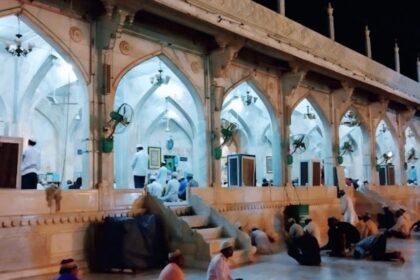
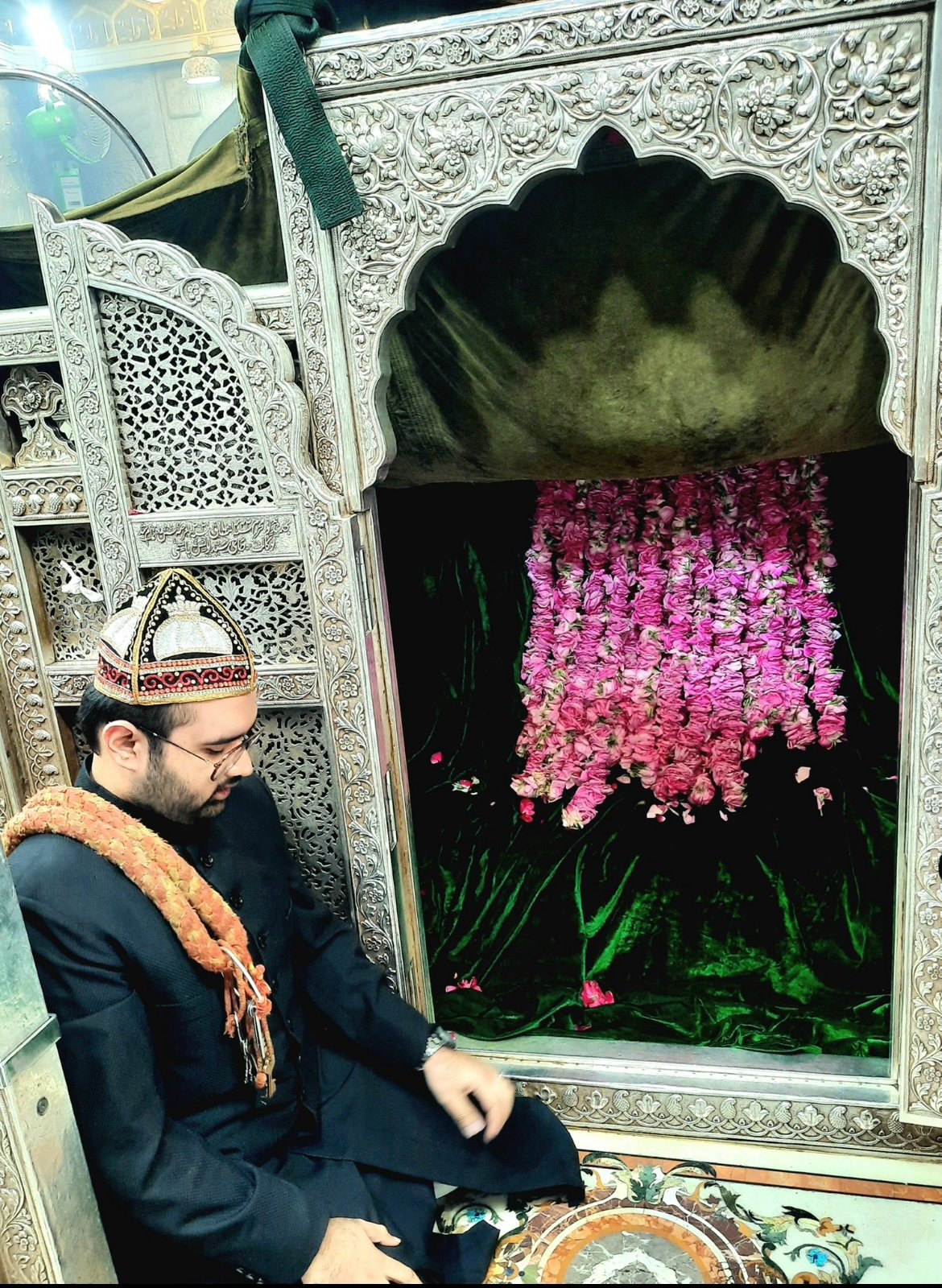

Way of Offerings & Nature of Offerings at Ajmer Dargah Sharif
The Virtue of Sacrifice and Offerings in the Way of Allah
In the Islamic tradition, spending and sacrificing in the way of Allah Almighty is regarded as a highly virtuous and meritorious act. A person who gives sincerely for the sake of Allah is rewarded many times over for what he has offered, particularly when such giving is made with devotion and sincerity.
- The Virtue of Sacrifice and Offerings in the Way of Allah
- A Traditional Account from the Time of Musa (A.S.)
- The Different Forms of Offerings at a Dargah
- 1. Offering after the Fulfilment of a Vow
- 2. Offering Made Out of Devotion
- 3. Offering for the Personal Use of the Moallim
- 4. Offering for a Specific Purpose
- Purpose of the Offering
A Traditional Account from the Time of Musa (A.S.)
It is narrated that during the time of Hazrat Musa (A.S.), an elderly couple was living in great hardship. They struggled to obtain even their daily food. In their difficult circumstances, they approached Hazrat Musa (A.S.) and requested him to pray to Allah Almighty for them. They wished that Allah would provide them with enough food to satisfy their hunger completely, even if they received it all at one time.
Hazrat Musa (A.S.) prayed for them. According to this traditional account, Hazrat Jibreel (A.S.) came and informed them that they should go to the bank of the River Nile early the following morning, where they would find a boat carrying food for them.
The next morning, when they reached the riverbank, they found a boat carrying a sack of grain for them. They cooked the grain and satisfied their hunger. Instead of keeping the remaining food for themselves, they distributed it among other poor and hungry people, intending their act as a sacrifice in the way of Allah.
The following day, when they had nothing left, they again went towards the River Nile. To their surprise, they once again found a boat carrying several sacks of grain for them. They again prepared what they needed and distributed the remainder among the poor and hungry.
This continued for several days. Each time, they received more than they required, and each time they shared the surplus with those in need.
Confused by what was happening, they once again approached Hazrat Musa (A.S.) and asked about the reason for this extraordinary provision.
According to the narration, Hazrat Jibreel (A.S.) came and explained that the additional provision they were receiving was a reward from Allah Almighty for the sincere sacrifices and charity they were making in His way.
This traditional account illustrates the principle that when a person gives sincerely in the way of Allah, Allah can bless that giving and reward it many times over.
The Different Forms of Offerings at a Dargah
At a Dargah, particularly at Ajmer Sharif, offerings may be made in different ways according to the intention of the devotee. Apart from the general concept described above, the offerings may be understood in the following forms:
1. Offering after the Fulfilment of a Vow
First, a person makes a vow (mannat). When the vow is fulfilled, the devotee comes to the Dargah and makes the offering according to the intention with which the vow was made.
2. Offering Made Out of Devotion
The second form is when a devotee has not made any specific vow but, upon visiting the Dargah, wishes to offer something out of love, respect and devotion. The devotee presents money or another offering with the intention that it is an offering associated with the sacred shrine and that it will be used by those who are entitled to receive it. At Ajmer Sharif, according to this description, devotees may make such offerings through a Moallim, whom they may regard as a well-wisher, guide or spiritual preceptor.
3. Offering for the Personal Use of the Moallim
The third form is when a devotee gives an offering directly to the Moallim, with the clear understanding that the offering is intended for his benefit and personal use.
4. Offering for a Specific Purpose
The fourth form is when a devotee gives a particular amount to the Moallim and specifies how it should be used. For example, the devotee may request that the offering be used:
- For distribution equally among the Moallims
- To feed the poor and needy
- For religious and spiritual functions
- For presenting flowers at the Mazar
- For presenting a Chadar, whether made of cotton or fine cloth, at the Mazar
- For another specifically stated religious or charitable purpose
Purpose of the Offering
The fundamental purpose of an offering within religious and spiritual traditions is to serve, benefit and facilitate the work of the Wakeel Sahabzade or those connected with the Dargah, while expressing the devotee’s love, respect, gratitude and devotion.
Ultimately, every sincere act of charity and sacrifice should be made with the intention of seeking the pleasure and blessings of Allah Almighty.
Dua
May Allah Subhanahu wa Ta’ala, for the sake of the Noble Prophet Muhammad ﷺ and through the waseela of Hazrat Khwaja Gharib Nawaz (R.A.), always keep you and your loved ones happy, prosperous, safe and blessed. Ameen.