
Hazrat Nasiruddin Mahmud Chiragh-e-Dehlavi (R.A.) – The Lamp of Delhi

Hazrat Nasiruddin Mahmud Chiragh-e-Dehlavi (R.A.)
Hazrat Nasiruddin Mahmud Chiragh-e-Dehlavi (R.A.), popularly known as Chiragh-e-Delhi, was a renowned mystic, poet, and eminent Sufi saint of the Chishti Order. He was a devoted Murid (disciple) of the distinguished Sufi saint Hazrat Khwaja Nizamuddin Auliya (R.A.) and later became his Khalifa (spiritual successor).
He is traditionally regarded as the last great Sufi saint of the Chishti Order associated with Delhi. Hazrat Nizamuddin Auliya (R.A.) bestowed upon him the revered title “Roshan Chiragh-e-Delhi,” meaning “The Illuminated Lamp of Delhi.” The title reflects his position as a spiritual light and guide for the people of Delhi.
Biography
Hazrat Nasiruddin Mahmud Chiragh-e-Dehlavi (R.A.) was born around 1274 CE in Ayodhya, Uttar Pradesh. His father, Syed Yahya, was a trader in Pashmina, while his grandfather, Syed Abdul Latif, had migrated from Khorasan in northeastern Iran to Lahore and subsequently settled in Ayodhya, in the region of Awadh.
His father passed away when Hazrat Nasiruddin was only nine years old. He was thereafter brought up under the care of his mother. He received his early education from Maulana Abdul Karim Sherwani and later continued his studies under Maulana Iftikharuddin Gilani.
Journey to Delhi and Spiritual Discipleship
At approximately forty years of age, Hazrat Nasiruddin Mahmud (R.A.) left Ayodhya and travelled to Delhi. There, he came into the spiritual presence of Hazrat Khwaja Nizamuddin Auliya (R.A.) and became his devoted Murid.
He remained in the company and service of his spiritual master for the rest of Hazrat Nizamuddin Auliya’s life. Through years of spiritual discipline, devotion, service, and companionship, he attained a distinguished position within the Chishti spiritual tradition.
Following the passing of Hazrat Nizamuddin Auliya (R.A.), Hazrat Nasiruddin Mahmud Chiragh-e-Dehlavi (R.A.) became his Khalifa and spiritual successor, carrying forward the teachings and spiritual legacy of the Chishti Order in Delhi.
He was also known for his literary abilities and composed poetry in the Persian language, further reflecting his intellectual and spiritual accomplishments.
Passing and Dargah Sharif
Hazrat Nasiruddin Mahmud Chiragh-e-Dehlavi (R.A.) passed away on 17 Ramadan 757 AH (1356 CE) at the age of approximately 82 years.
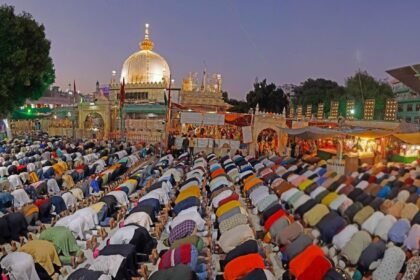
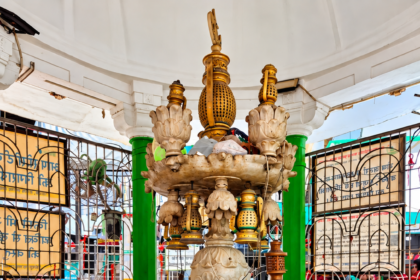
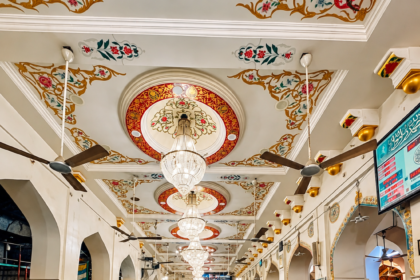
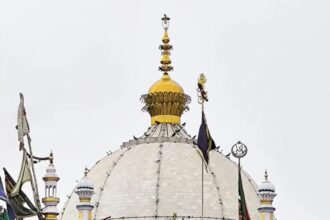
His blessed resting place is located in Delhi, in the area that subsequently became known as Chirag-e-Delhi, a name associated with his revered title.
His Dargah Sharif continues to be regarded as an important spiritual centre associated with the Chishti tradition and the enduring legacy of the great Sufi saints of Delhi.
Notable Disciples
Among his renowned disciples was Hazrat Khwaja Bande Nawaz Gesu Daraz (R.A.), one of the most celebrated Sufi saints of the Chishti tradition.
Hazrat Bande Nawaz Gesu Daraz (R.A.) later travelled towards the Deccan. According to the traditional account, he moved to Daulatabad around 1398 CE following the attack of Timur on Delhi. Subsequently, at the invitation of the Bahmani ruler Firuz Shah Bahmani, he travelled to Gulbarga (present-day Kalaburagi, Karnataka), where he continued his spiritual mission.