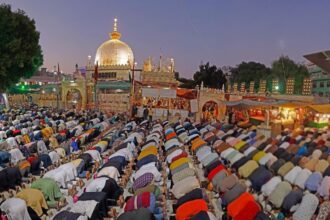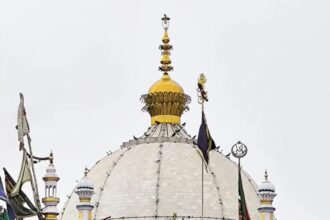

What is Prashad / Tabbaruk? Sacred Offerings at Ajmer Sharif
At Ajmer Sharif Dargah, sacred offerings distributed to pilgrims and devotees are lovingly known as Tabarruk (in Islamic Sufi tradition) or Prashad (in Indian spiritual heritage).

Regardless of the terminology used by seekers of different languages and cultures, Tabarruk carries the same profound spiritual essence: consecrated divine grace infused with healing, protection, and spiritual light.
Forms of Tabarruk (Prashad) Blessed at the Sanctum
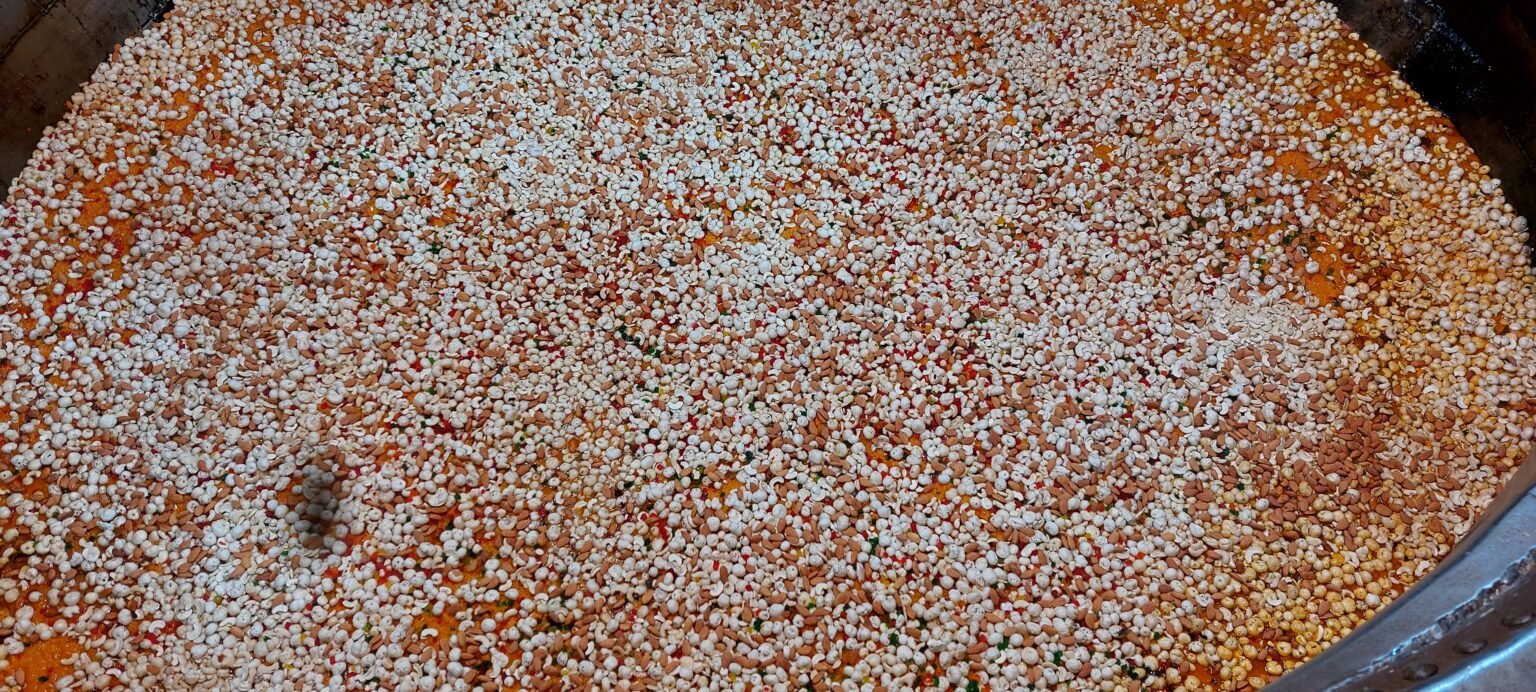
1. Consecrated Sweet Rice (Deg ka Zarda): Hot, fragrant saffron-infused rice cooked in the imperial Badi Deg or Choti Deg and blessed with Surah Al-Fatiha.
2. Sanctified Rose Petals (Phool ka Tabarruk): Fresh fragrant rose petals that have rested directly upon the sacred tomb of Khwaja Gharib Nawaz, dried and kept by devotees as a divine shield against illness.
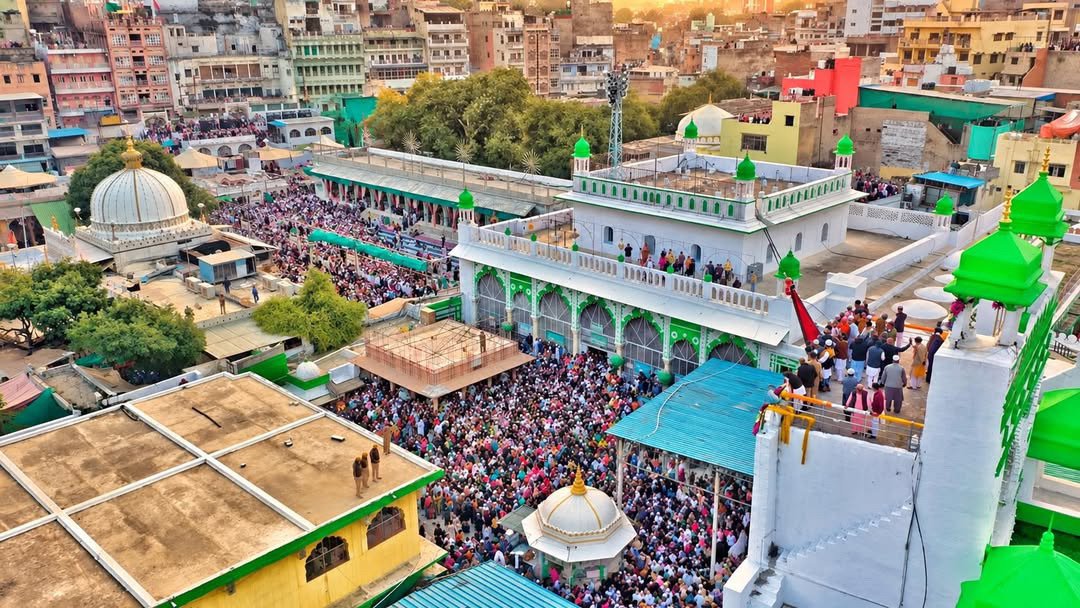
3. Sandalwood Paste (Sandal Mubarak): Pure fragrant sandalwood paste applied during the daily afternoon service (Sandal Mali), treasured for spiritual tranquility.
4. Sacred Sweets (Nukhti, Batasha, Rewdi): Traditional sweets blessed inside the silver kathra during personal family Fateha ceremonies.
5. Consecrated Protective Thread (Dhaaga Mubarak): Red and saffron cotton threads tied around devotees' wrists for peace of mind, health, and spiritual protection.
Sacred Etiquette for Receiving Tabarruk
Devotees receive Tabarruk with both hands, kiss it out of reverence, and share it generously among family members, friends, and neighbors.
Receiving Sacred Tabarruk at Home
Devotees who sponsor Chadar, Fateha, or Deg can request genuine sanctified Tabarruk (dried rose petals, sacred threads, and dry sweets) to be dispatched directly to their address.
Tabarruk is regarded as Shifa (cure for ailments) and a token of unconditional divine love that binds humanity together across all faiths.