
Hazrat Khwaja Banda Nawaz Gesu Daraz (R.A.) – The Light of the Deccan
Hazrat Khwaja Banda Nawaz Gesu Daraz (R.A.)
Hazrat Khwaja Banda Nawaz Gesu Daraz (R.A.), whose birth name was Syed Muhammad Hussaini, was one of the most renowned Sufi saints of India and an eminent spiritual figure of the Chishti Order. He is remembered for his teachings of understanding, tolerance, love, and harmony among people of different faiths and communities.
- Hazrat Khwaja Banda Nawaz Gesu Daraz (R.A.)
- Birth and Early Life
- Journey of Spiritual Service
- Delhi
- Mewat
- Gwalior
- Chander
- Aircha
- Chatra
- Chanderi
- Miandhar
- Baroda
- Khambayat
- Journey to Gulbarga
- A Prolific Scholar and Author
- Among the works attributed to him are:
- Tafseer Multaqat
- Awarif-ul-Ma’arif
- Fasoos-al-Hukm
- Qaseeda Amali
- Adaab-al-Mureedeen
- Passing and Dargah Sharif
- Urs Sharif
- Spiritual Legacy
- A Lasting Message of Love and Harmony
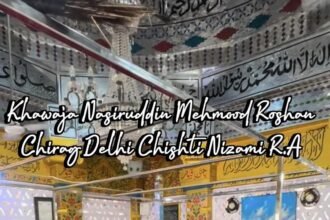
Hazrat Banda Nawaz Gesu Daraz (R.A.) was a devoted Murid (disciple) of the celebrated Delhi Sufi saint Hazrat Nasiruddin Mahmud Chiragh-e-Dehlavi (R.A.), who himself was a disciple and spiritual successor of Hazrat Khwaja Nizamuddin Auliya (R.A.).
Following the passing of Hazrat Chiragh-e-Dehlavi (R.A.), Hazrat Banda Nawaz Gesu Daraz (R.A.) received Khilafat (spiritual succession) and carried forward the Chishti spiritual tradition. When he later travelled to the Deccan, he became one of the principal figures responsible for spreading the Chishti teachings in South India.
Birth and Early Life
Hazrat Khwaja Banda Nawaz Gesu Daraz (R.A.) was born as Syed Muhammad Hussaini in Delhi in 1321 CE.
When he was approximately four years old, his family moved to Daulatabad in the Deccan, in present-day Maharashtra.
At the age of fifteen, he returned to Delhi to pursue his education and spiritual training under the guidance of Hazrat Nasiruddin Chiragh-e-Dehlavi (R.A.). He devoted himself deeply to learning, spiritual discipline, and the service of his Murshid.
He was also an enthusiastic student of several other distinguished scholars and spiritual personalities, including Hazrat Kethli, Hazrat Tajuddin Bahadur, and Qazi Abdul Muqtadir.
After approximately fifteen years of spiritual training and companionship, Hazrat Nasiruddin Chiragh-e-Dehlavi (R.A.) bestowed upon him Khilafat and succession, entrusting him with the continuation of the Chishti spiritual tradition.
Journey of Spiritual Service
Hazrat Banda Nawaz Gesu Daraz (R.A.) travelled extensively and imparted spiritual and religious teachings in various places, including:
Delhi
Mewat
Gwalior
Chander
Aircha
Chatra
Chanderi
Miandhar
Baroda
Khambayat
His journeys enabled him to spread the message of the Chishti tradition among people from diverse backgrounds.
Journey to Gulbarga
In 1397 CE, Hazrat Banda Nawaz Gesu Daraz (R.A.) travelled to Gulbarga, in present-day Karnataka, at the invitation of Sultan Taj-ud-Din Firuz Shah, the Bahmani ruler.
He eventually made Gulbarga his principal centre of spiritual teaching and remained there for the rest of his life.
Through his spiritual presence, teachings, writings, and disciples, Gulbarga became an important centre of the Chishti Sufi tradition in the Deccan.
A Prolific Scholar and Author
Hazrat Banda Nawaz Gesu Daraz (R.A.) was not only a great Sufi but also a distinguished scholar and author. According to the traditional account, he authored approximately 195 works in Arabic, Persian, and Urdu.
Among the works attributed to him are:
Tafseer Multaqat
Awarif-ul-Ma’arif
Fasoos-al-Hukm
Qaseeda Amali
Adaab-al-Mureedeen
His Tafseer Multaqat, written in Arabic, is described as one of his significant works. His writings reflect his deep engagement with Islamic scholarship, spirituality, Sufism, and the teachings of the Chishti tradition.
Passing and Dargah Sharif
Hazrat Khwaja Banda Nawaz Gesu Daraz (R.A.) passed away in Gulbarga in November 1422 CE.
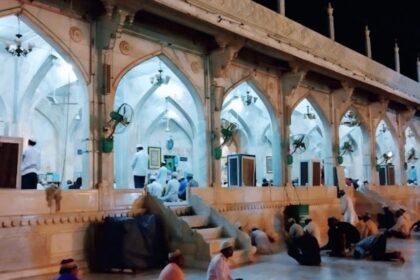
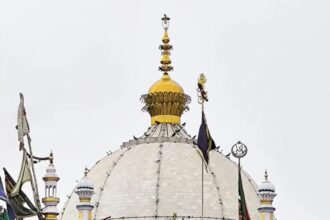
His blessed shrine, Dargah Sharif of Hazrat Khwaja Banda Nawaz Gesu Daraz (R.A.), became one of the most important centres of pilgrimage and spiritual devotion in the Deccan.
Urs Sharif
The Urs Sharif of Hazrat Banda Nawaz Gesu Daraz (R.A.) is observed every year in Gulbarga. According to the tradition mentioned in the source, it takes place on the 15th of Zul-Qa’dah in the Islamic calendar.
Devotees from different regions and communities gather at the Dargah Sharif to participate in the Urs, offer prayers, pay their respects, and seek blessings.
People of different castes, communities, religions, and backgrounds are traditionally associated with the Urs celebrations, reflecting the message of harmony, compassion, and spiritual fellowship for which Hazrat Banda Nawaz Gesu Daraz (R.A.) is remembered.
Thousands of devotees from near and far visit Gulbarga during the Urs, making it one of the major annual gatherings associated with the Chishti tradition in South India.
Spiritual Legacy
The spiritual legacy of Hazrat Khwaja Banda Nawaz Gesu Daraz (R.A.) extends through his descendants, disciples, writings, and the continuing traditions of his Dargah Sharif.
His family has continued to reside in Gulbarga, preserving his spiritual and literary heritage. The source identifies Syed Shah Khusro Hussaini as the present head of the family of his descendants and notes that he has authored several books about his illustrious ancestor.
A Lasting Message of Love and Harmony
Hazrat Khwaja Banda Nawaz Gesu Daraz (R.A.) occupies a distinguished place in the history of Indian Sufism. As a successor in the spiritual lineage of Hazrat Nizamuddin Auliya (R.A.) and Hazrat Nasiruddin Chiragh-e-Dehlavi (R.A.), he carried the Chishti message from Delhi into the Deccan.