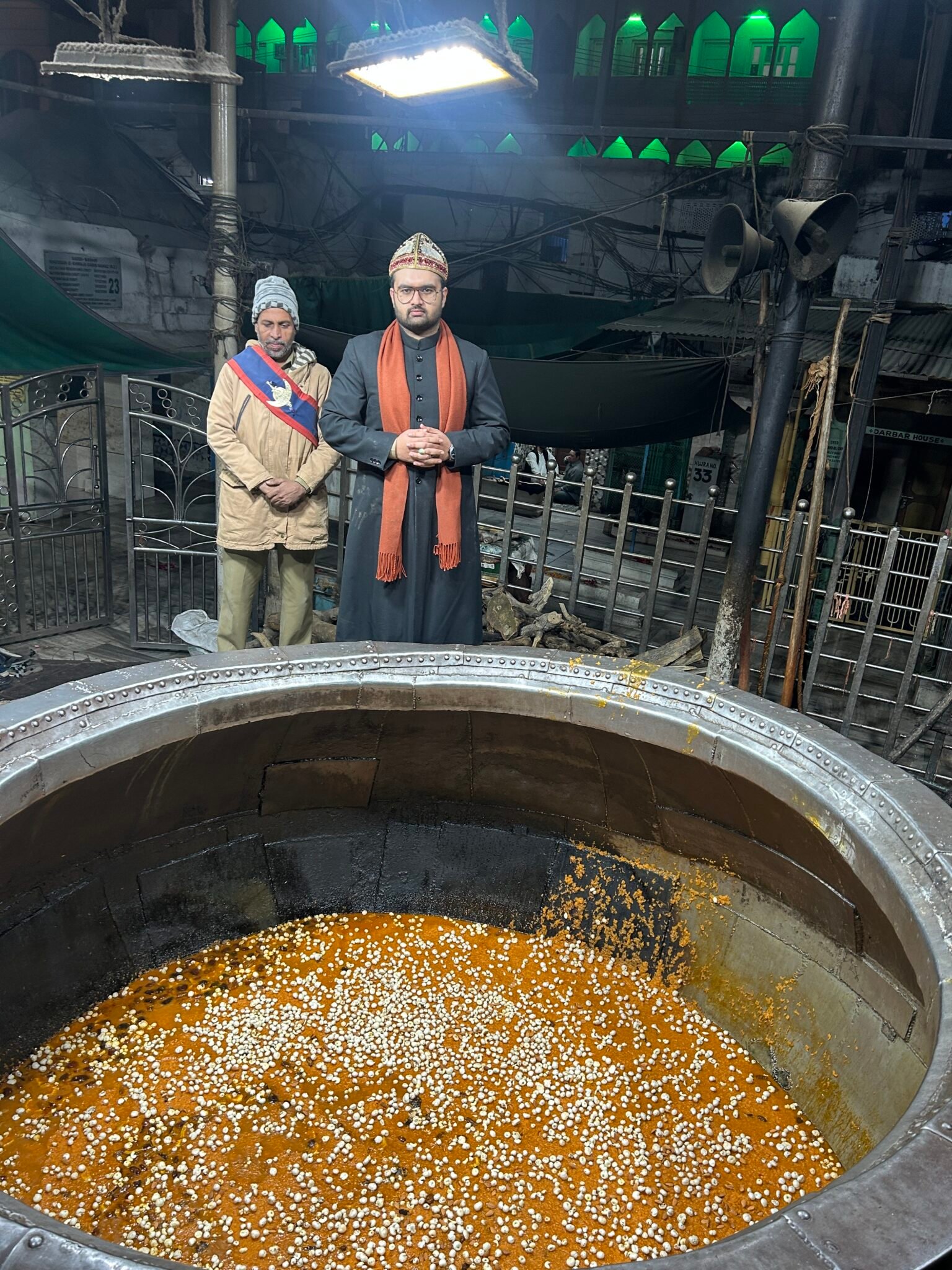

Choti Deg at Ajmer Sharif – Emperor Jahangir's Historic Cauldron
Chhoti Deg (The Small Cauldron)
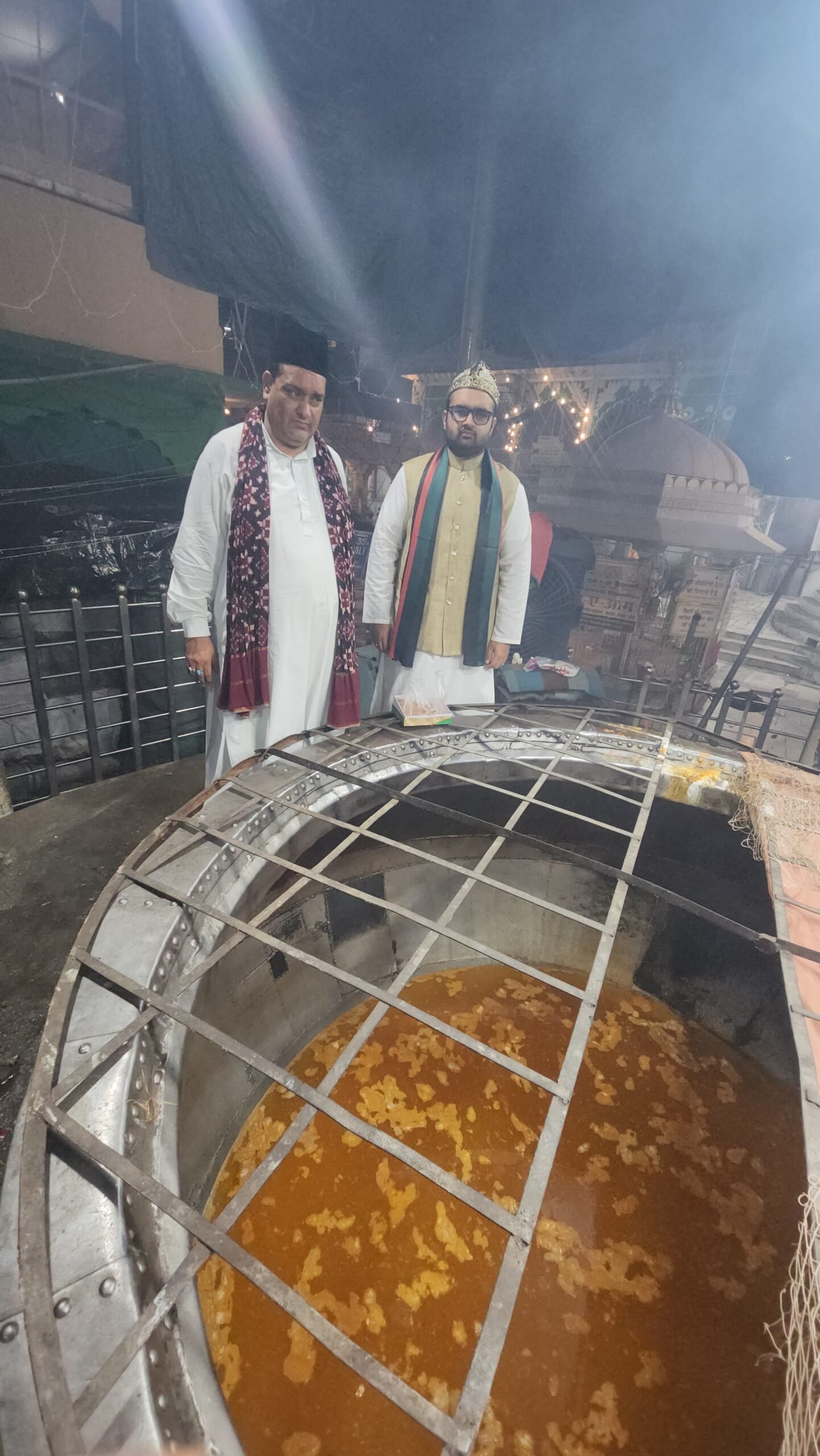
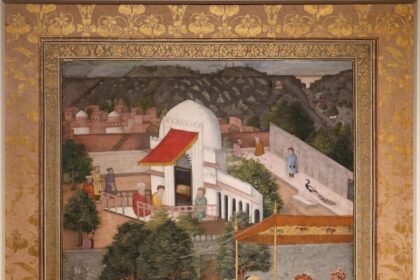
Located adjacent to Buland Darwaza on the eastern side, this cauldron was presented in 1022 AH by Emperor Jahangir (Nuruddin Muhammad Jahangir). In his memoirs (Tuzk-e-Jahangiri), Jahangir notes during his 8th regnal year celebration that he had this cauldron cast in Agra, brought with devotion to the shrine, and cooked food for the poor. 5,000 people ate to their satisfaction, after which cash and gifts were distributed.
Deg Restoration
The inscription on the small cauldron reads:
"Ba-dunya bad da'im ne'mate Dege Jahangiri"
1022 AH
Over time, holes developed in the cauldrons. In 1266 AH, Mulla Madari (Prime Minister of the State of Gwalior), under the supervision of Seth Akkhe Chand Mehta, commissioned their restoration. Jawahar Ali Pirzada derived the chronogram date from the following verse:
"Jahan Shud Faizyab"
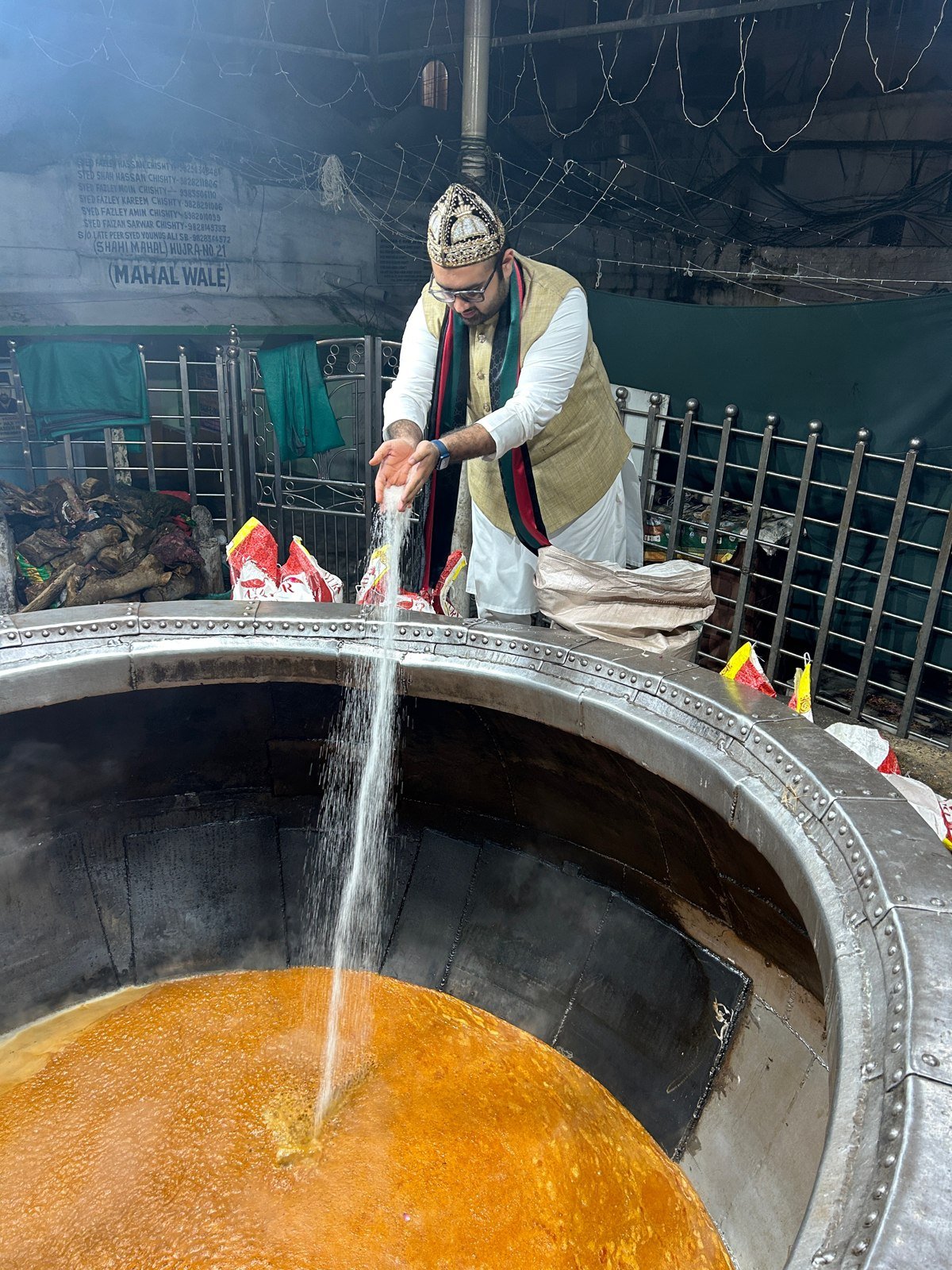
1266 AH
Emperor Jahangir's Devotion & Regnal Feast
In 1022 AH (1613 CE), during Emperor Jahangir's extended royal stay in Ajmer, he fulfilled his personal vow by having this cauldron cast in the imperial foundry at Agra and brought with deep reverence to the holy court of Khwaja Gharib Nawaz.
Choti Deg Booking for Special Family Occasions
Cooking Choti Deg is widely favored by families for wedding blessings, child birth celebrations (Aqiqah), business prosperity, and annual anniversaries.
In Tuzuk-e-Jahangiri, the Emperor proudly records that he personally kindled the fire beneath the cauldron, inspected the preparation of the fragrant rice, and stood to feed more than five thousand pilgrims and poor people to their hearts' contentment.
Capacity & Ingredients of Choti Deg
The Choti Deg holds approximately 80 Maunds (around 2,400 kilograms) of food. It requires 1,200 kg of rice, 600 kg of sugar, 100 kg of pure ghee, together with rich assortments of dry fruits, saffron, and fragrant spices.
Restoration by Mulla Madari & Seth Akkhe Chand Mehta
In 1266 AH, through the generosity of Mulla Madari (Prime Minister of Gwalior State) and the supervision of Seth Akkhe Chand Mehta, the historic cauldrons underwent meticulous historic restoration, preserving this living heritage for future generations.