
Hazrat Sabir Kalyari (R.A.) – The Fiery Splendor & Majesty of Sabiriya Order
Hazrat Makhdum Sabir Pak Kalyari (R.A.)
Dargah Sharif, Kaliyar Sharif, India
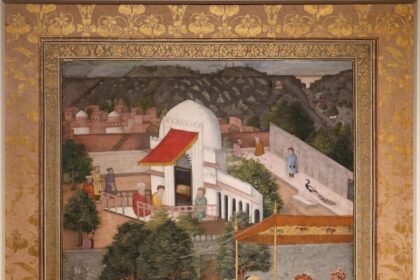
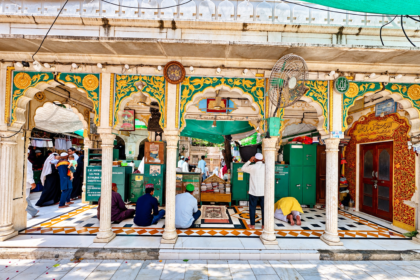
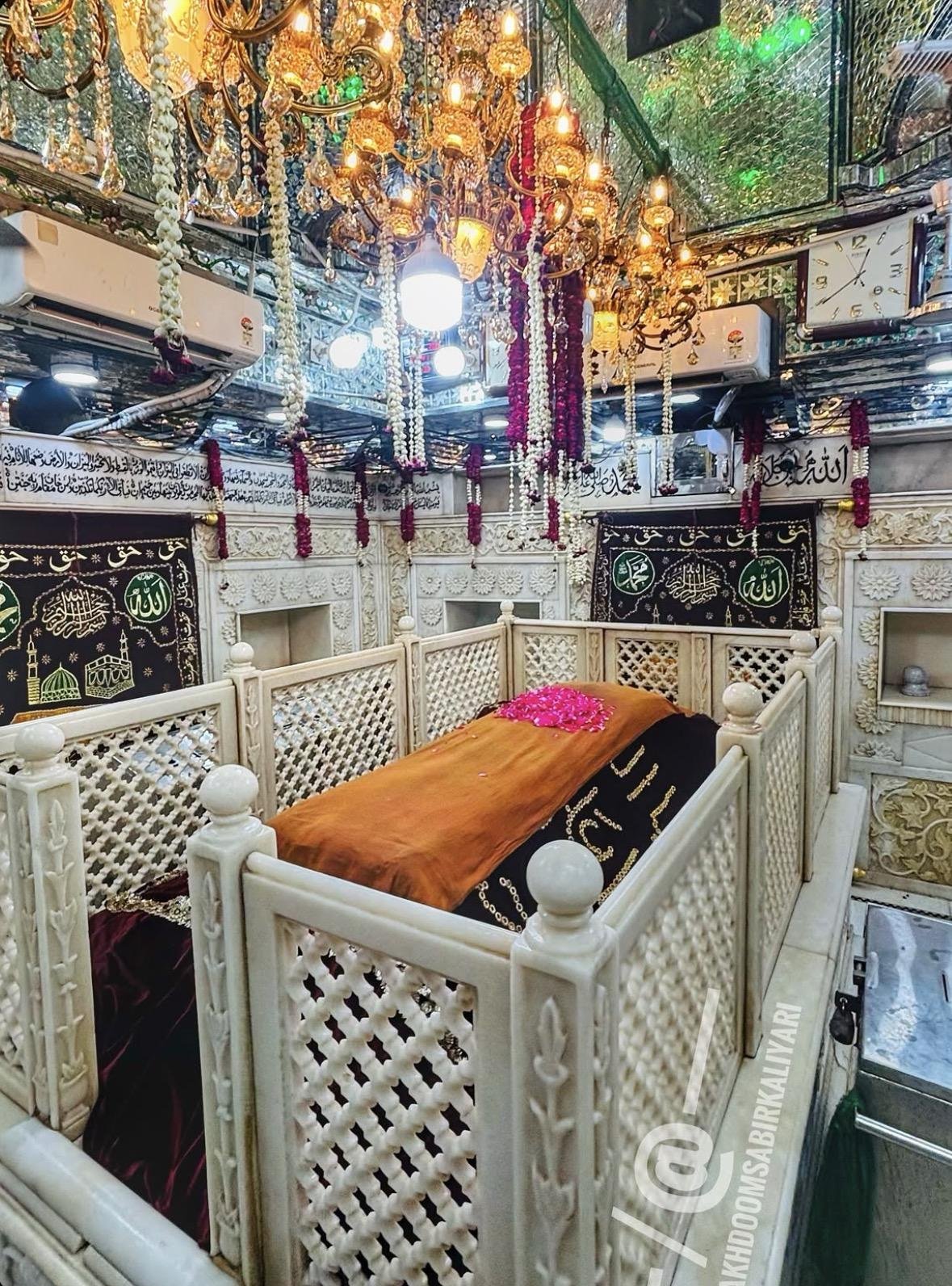
Hazrat Makhdum Alla-ud-Din Ali Ahmed Sabir Kalyari (R.A.) is revered as one of the great saints of the Chishtiyya tradition and is traditionally regarded as the founder of the Silsila-e-Chishtia Sabiria (Sabri Chishti Order). His blessed shrine, Dargah Sabir Pak Kaliyar Sharif, is a renowned centre of spiritual devotion.
- Hazrat Makhdum Sabir Pak Kalyari (R.A.)
- Dargah Sharif, Kaliyar Sharif, India
- Birth and Early Life
- Twelve Years of Service and the Title “Sabir”
- “Sabir” — The Patient and Enduring One
- Hazrat Sabir Pak (R.A.) at Kaliyar Sharif
- The Nine-Year Spiritual Seclusion
- Hazrat Hafiz Shamsuddin Turk Panipati (R.A.)
- The Passing of Hazrat Sabir Pak (R.A.)
- The Beginning of the Sabri Silsila
- Hazrat Qutb-e-Alam Shah Abdul Quddus Gangohi (R.A.)
- Spread of the Sabri Chishti Tradition
- The teachings associated with Hazrat Sabir Pak (R.A.) emphasise:
- Sabr — patience and steadfastness
- Complete reliance upon Allah
- Spiritual discipline
- Detachment from worldly distractions
- Service to humanity
- Love for the Awliya Allah
- Adherence to the spiritual path
- Remembrance of Allah
- Perseverance during hardship
- Dargah Sharif of Hazrat Sabir Pak (R.A.)
- Hazrat Makhdum Sabir Pak Kalyari (R.A.)
- Hazrat Makhdum Alla-ud-Din Ali Ahmed Sabir Kalyari (R.A.)
According to the traditional account presented in the source, Hazrat Sabir Pak (R.A.) was a descendant of Hazrat Imam Hasan (R.A.) and Hazrat Imam Hussain (R.A.) through his paternal lineage. His father was Hazrat Abdur Raheem Abdus Salam (R.A.), while his grandfather was Shah Saif-ud-Din Abdul Wahab (R.A.), who is described as the son of Ghaus-ul-Saqalain Hazrat Syed Abdul Qadir Jilani, Mehboob-e-Subhani (R.A.).
The source further states that his maternal lineage was connected with Hazrat Umar Farooq (R.A.), and that his mother was the sister of Hazrat Baba Fariduddin Ganj-e-Shakar (R.A.) of Pakpattan Sharif.
Birth and Early Life
According to the source, Hazrat Sabir Pak (R.A.) was born on 19 Rabi-ul-Awwal, 592 A.H., in the city of Herat, Afghanistan.
From his childhood, many extraordinary spiritual qualities were traditionally observed in him.
His father passed away while he was still young, leaving the family in difficult circumstances. His mother subsequently took him to her brother, Hazrat Baba Fariduddin Ganj-e-Shakar (R.A.), at Pakpattan Sharif.
There, Hazrat Sabir Pak (R.A.) entered the spiritual fold of Baba Farid (R.A.) and became his Mureed. He was entrusted with the responsibility of distributing food and alms to the followers, visitors and attendants of the Khanqah.
His mother eventually returned to Herat, leaving Hazrat Sabir Pak (R.A.) under the spiritual supervision of his maternal uncle, Hazrat Baba Farid (R.A.).
Twelve Years of Service and the Title “Sabir”
Hazrat Sabir Pak (R.A.) devoted himself completely to serving the people at the Khanqah.
He would distribute food to the devotees, followers and attendants but, according to the traditional account, he himself did not eat even a single morsel.
This continued for approximately twelve years.
When his mother returned after twelve years, she was deeply distressed to see her son extremely weak and thin. She complained to her brother, Hazrat Baba Farid (R.A.), about his condition.
Baba Farid (R.A.) asked Hazrat Sabir Pak about the matter.
With complete humility and respect, he replied that he had been instructed to serve and distribute the food, but not to eat it himself.
Hazrat Baba Farid (R.A.) was deeply moved by his extraordinary patience and steadfastness. He embraced him and bestowed upon him the title:
“Sabir” — The Patient and Enduring One
From this spiritual quality, he became renowned as Hazrat Sabir Pak (R.A.).
During his years with Hazrat Baba Farid (R.A.), he is traditionally said to have completed both his outer religious education and inner spiritual training.
Hazrat Sabir Pak (R.A.) at Kaliyar Sharif
After completing his spiritual training, Hazrat Baba Farid (R.A.) bestowed Khilafat upon Hazrat Ali Ahmed Sabir Kalyari (R.A.) and instructed him to travel towards Kaliyar.
According to the traditional narration, Hazrat Sabir Pak (R.A.) reached Kaliyar and encountered the local Raja and his attendants.
The account states that the Raja and his companions behaved disrespectfully towards Hazrat Sabir Pak (R.A.).
It was at this place that a remarkable chapter of his spiritual life began.
The Nine-Year Spiritual Seclusion
According to the traditional account, a fig tree stood at the place where the present Mazar Sharif is located.
Hazrat Sabir Pak (R.A.) remained at this place in intense spiritual seclusion for approximately nine years.
The narration describes an extraordinary fire surrounding him during this period. It is traditionally said that nothing remained alive within an area extending for approximately twelve miles around the place.
Hazrat Sabir Pak (R.A.) is described as standing beside the tree, holding one of its branches, while sustaining himself solely through worship, prayer and spiritual devotion.
Because of the intense spiritual state described in the tradition, people were unable to approach the place.
Hazrat Hafiz Shamsuddin Turk Panipati (R.A.)
Hazrat Baba Fariduddin Ganj-e-Shakar (R.A.) eventually sent Hazrat Hafiz Shamsuddin Turk Panipati (R.A.) with special instructions.
According to the account, Hafiz Shamsuddin (R.A.) succeeded in approaching and persuading Hazrat Sabir Pak (R.A.) to calm his spiritual wrath and return to a state of repose.
Following this, the fire was extinguished.
Hazrat Hafiz Shamsuddin (R.A.) subsequently remained associated with Hazrat Sabir Pak (R.A.) and completed his spiritual education under his guidance.
After completing his spiritual training, Hazrat Sabir Pak (R.A.) instructed Hafiz Shamsuddin to join the army of Muhammad Ghauri, where he is traditionally said to have participated in the campaign and capture of the fort of Aamer.
The Passing of Hazrat Sabir Pak (R.A.)
When Hazrat Hafiz Shamsuddin (R.A.) eventually returned, Hazrat Sabir Pak (R.A.) had already given instructions regarding his burial.
According to the traditional account, his burial was carried out precisely according to those instructions.
The narration further states that a mysterious horseman, covered from head to foot, appeared at the time of the burial and spoke about the realities of life and death.
The source also states that Hazrat Sabir Pak’s body was placed between two large stones in accordance with instructions attributed to Hazrat Abdul Qadir Jilani (R.A.).
The Beginning of the Sabri Silsila
After the passing of Hazrat Sabir Pak (R.A.), Hazrat Hafiz Shamsuddin Panipati (R.A.) and Hazrat Aleemullah Abdal (R.A.) became important figures in the continuation of his spiritual tradition.
They eventually settled in Panipat, and the Silsila-e-Sabiria began to flourish.
According to the traditional narration, however, the intense spiritual atmosphere surrounding the original burial place remained such that ordinary visitors could not approach it.
The source states that among the spiritual personalities who were able to enter the area was Hazrat Aleemullah Abdal (R.A.).
Hazrat Qutb-e-Alam Shah Abdul Quddus Gangohi (R.A.)
Approximately three centuries later, according to the source, Hazrat Qutb-e-Alam Shah Abdul Quddus Gangohi (R.A.) expressed a deep desire to visit Kaliyar Sharif.
His request was granted, and he travelled there accompanied by his Khalifas and companions.
The traditional account states that they performed the necessary rites and respectfully restored the burial place of Hazrat Sabir Pak (R.A.), placing his remains at the designated location between the stones.
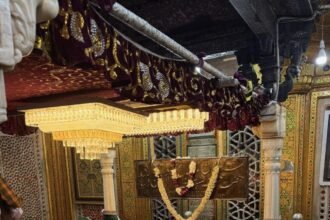
A tomb was subsequently constructed over the sacred burial site.
With the passage of time, the spiritual atmosphere of the place changed. The earlier fear associated with the site gave way to love, devotion and reverence, and devotees gradually began visiting the Mazar Sharif.
Spread of the Sabri Chishti Tradition
The spiritual legacy of Hazrat Sabir Pak (R.A.) continued through his successors and disciples.
The Sabri Silsila, a branch of the Chishtiyya spiritual tradition, gradually spread across different regions and eventually reached devotees in many parts of the world.
The teachings associated with Hazrat Sabir Pak (R.A.) emphasise:
Sabr — patience and steadfastness
Complete reliance upon Allah
Spiritual discipline
Detachment from worldly distractions
Service to humanity
Love for the Awliya Allah
Adherence to the spiritual path
Remembrance of Allah
Perseverance during hardship
His title “Sabir Pak” itself symbolises patience, endurance and unwavering devotion.
Dargah Sharif of Hazrat Sabir Pak (R.A.)
Today, Kaliyar Sharif is regarded as an important centre of pilgrimage and spiritual devotion.
Devotees from India and different parts of the world visit the Mazar Sharif of Hazrat Makhdum Sabir Pak Kalyari (R.A.) to perform Ziyarat, offer their respects, recite Fatiha and seek the blessings associated with the sacred place.
The annual celebrations connected with Hazrat Sabir Pak (R.A.) are traditionally observed during Rabi-ul-Awwal, with the festivities beginning from 1st Rabi-ul-Awwal and continuing through the month according to the local tradition described in the source.
Hazrat Makhdum Sabir Pak Kalyari (R.A.)
Hazrat Sabir Pak (R.A.) is remembered as a great Chishti saint whose life became synonymous with Sabr, spiritual discipline, devotion and steadfastness.
From twelve years of selfless service in the Khanqah of Hazrat Baba Farid (R.A.) to his years of intense spiritual seclusion at Kaliyar, his life is traditionally presented as a remarkable journey of Mujahida, patience and complete surrender to Allah.
Hazrat Makhdum Alla-ud-Din Ali Ahmed Sabir Kalyari (R.A.)
Founder of the Silsila-e-Chishtia Sabiria and one of the most revered saints of the Chishtiyya tradition.