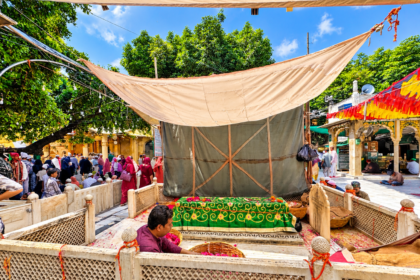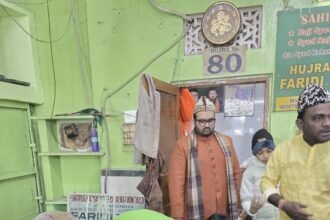


Niyaz at Ajmer Sharif – Meaning, Rituals & Consecrated Food Distribution
Niyaz is a deeply cherished spiritual concept in Islamic Sufism, signifying consecrated food prepared and offered for the sake of Allah, dedicating its spiritual reward (Isal-e-Sawab) to the Holy Prophet Muhammad (ﷺ), his noble Ahl-ul-Bayt, and beloved saints like Hazrat Khwaja Gharib Nawaz (R.A.).
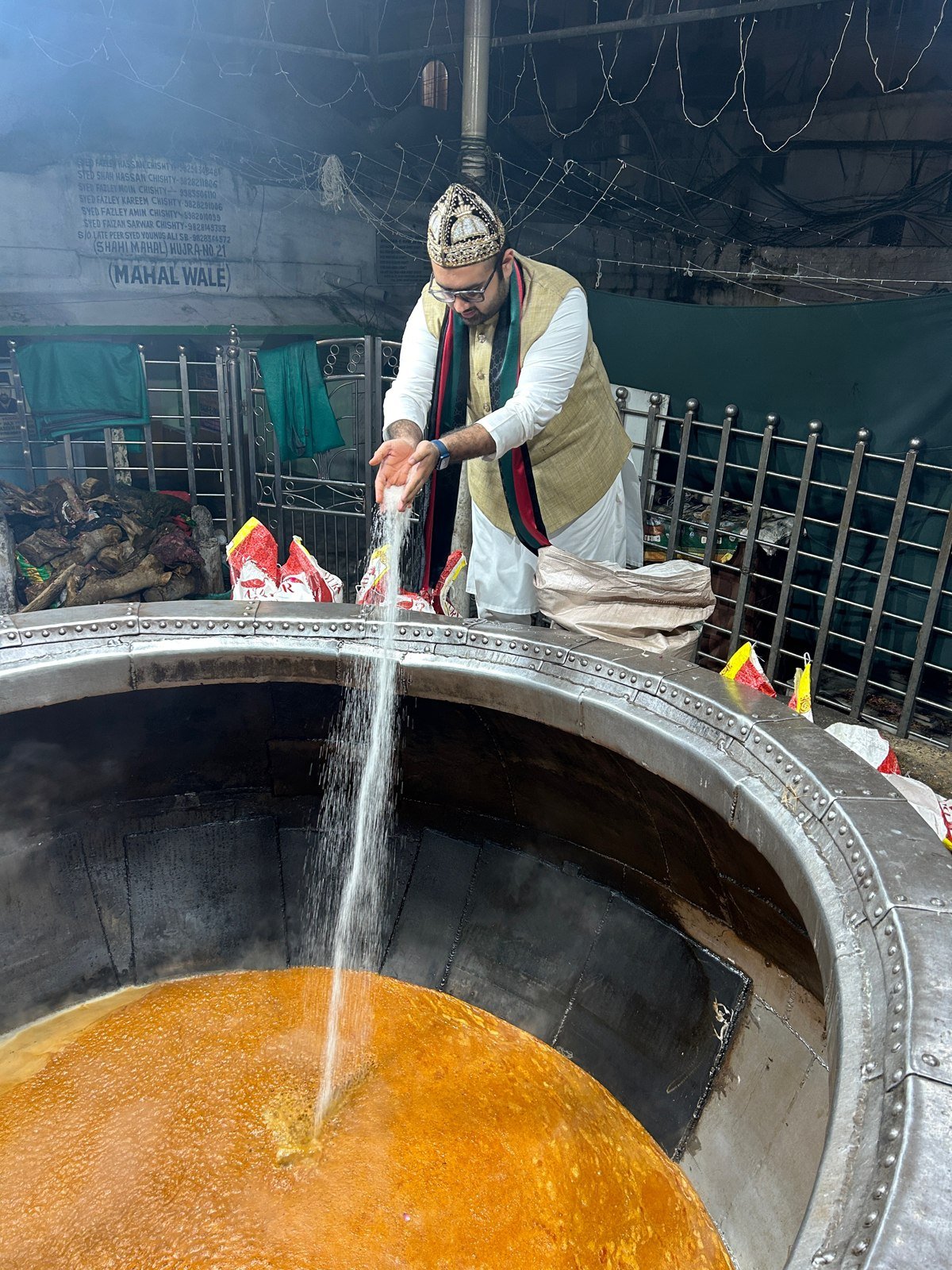
The True Meaning & Spiritual Essence of Niyaz
The word Niyaz conveys humility, supplication, and loving devotion. Unlike ordinary meals, food prepared for Niyaz is sanctified through the recitation of Surah Al-Fatiha, Surah Al-Ikhlas, Ayatul Kursi, and sacred Durood Sharif by hereditary Khuddam.
This recitation invokes divine barakah (blessings) upon the food, transforming it into sacred Tabarruk that brings spiritual peace, healing (Shifa), and protection from calamities.
Sponsor Niyaz & Langar Remotely
Devotees unable to travel to Ajmer can contribute towards holy Niyaz and have Fateha recited specifically in their family's name, followed by direct distribution to poor and needy seekers.
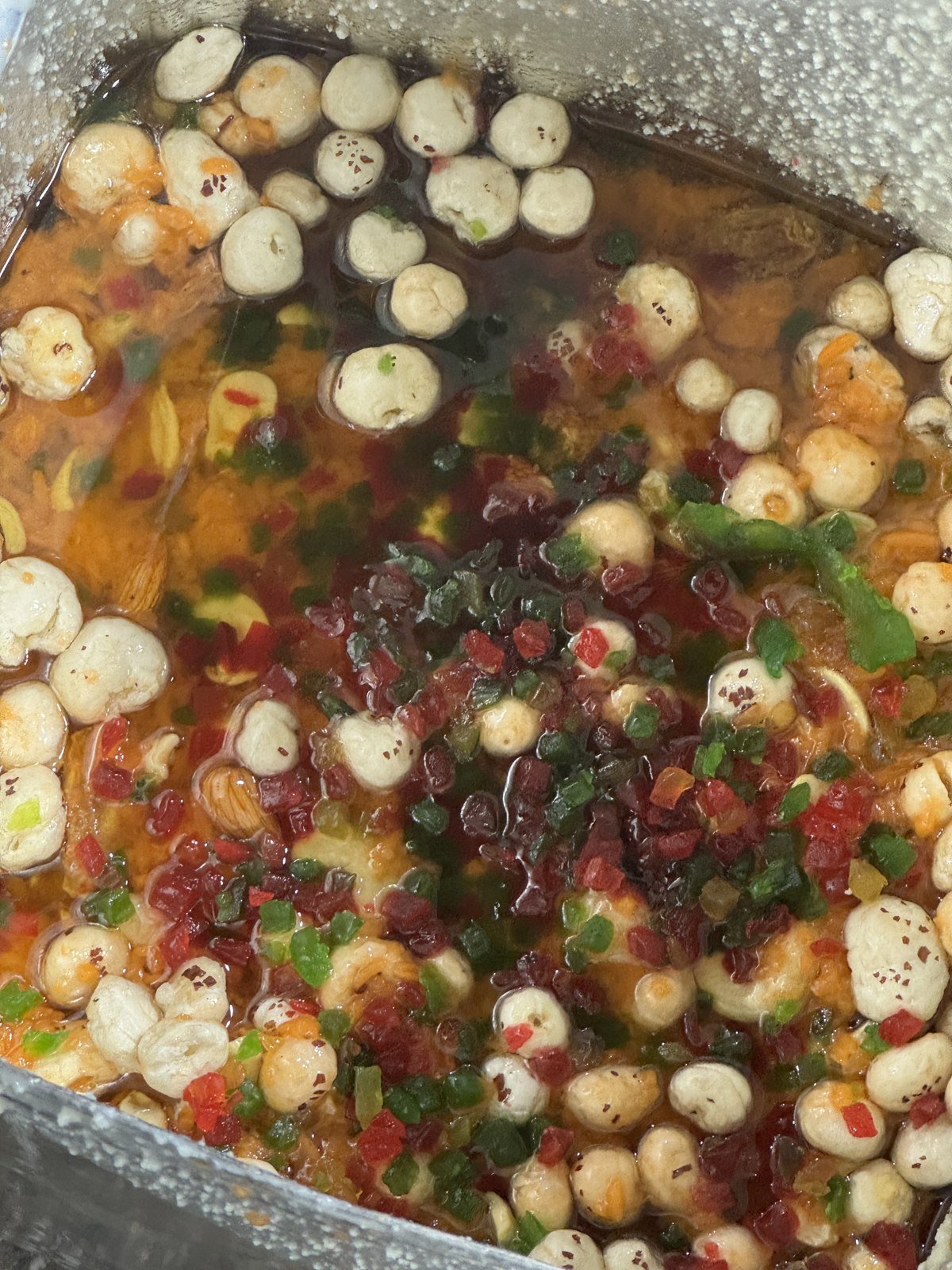
Occasions for Arranging Niyaz at Ajmer Sharif
1. Monthly Chatti Sharif: The 6th day of every Islamic lunar month marks the celebration of Khwaja Gharib Nawaz, where extensive Niyaz is prepared and distributed.
2. Annual Urs-e-Mubarak: Millions of pilgrims partake in the consecrated Niyaz served throughout the six days of Rajab.
3. Family Milestones & Gratitude: Birth of children, weddings, success in business, recovery from serious illness, and remembrance of departed ancestors.
4. Regular Daily Langar: Serving daily bread, dal, and sweet rice to poor dervishes and visiting pilgrims.
Spiritual Benefits of Participating in Niyaz
Feeding fellow human beings with blessed food expiates sins, removes afflictions, and draws down the boundless mercy of Allah Almighty upon the donor's household.
How to Sponsor Niyaz at Ajmer Dargah
Devotees from around India and across the world can sponsor Niyaz distribution in varying scales—from daily dervish meals to large-scale sweet rice cauldrons—directly facilitated through their hereditary Khadim family.