
A Brief History of Ajmer – The Sacred City of Chishtiya Heritage
A Brief History of Ajmer
Ajmer, traditionally known as Ajaya-Meru, is an ancient city with a long and significant history. According to the account provided, Ajmer was founded in the 7th century CE by Dushyant Chauhan, who established the Chauhan dynasty. The Chauhans continued to rule the region through a period marked by repeated Turkish invasions across northern India.
In 1193, Ajmer was conquered by Muhammad of Ghor, who played an important role in the establishment of Muslim rule in northern India. Despite the conquest, the internal administration of Ajmer was entrusted to the Chauhan rulers, subject to the payment of a substantial tribute to the conquerors. Ajmer subsequently remained a feudatory territory of Delhi until 1365, when it was captured by the ruler of Mewar.
In 1509, Ajmer became a point of conflict between the rulers of Mewar and Marwar. Eventually, it came under the control of the ruler of Marwar in 1532.
The city was later conquered by the Mughal Emperor Akbar in 1559. Ajmer remained under Mughal control for a considerable period, although the region witnessed occasional revolts. In 1770, control of Ajmer passed to the Marathas.
From that period until 1818, Ajmer remained at the centre of continued political and military struggles. It changed hands at various times between the rulers of Mewar and Marwar and the Marathas. In 1818, the Marathas transferred Ajmer to the British East India Company for a payment of 50,000 rupees.
Under British administration, Ajmer experienced a relatively stable period of governance. However, during the Revolt of 1857, some Indian soldiers stationed at the nearby military cantonment of Nasirabad joined the uprising.
During the British Raj, Ajmer was administered through an Agent to the Governor-General (AGG) who was responsible for overseeing the affairs of Rajputana.
Following India’s independence in 1947, Ajmer initially retained a separate administrative status and was governed as a centrally administered state under a Chief Commissioner. Eventually, Ajmer was merged with the State of Rajasthan, becoming an integral part of the state.
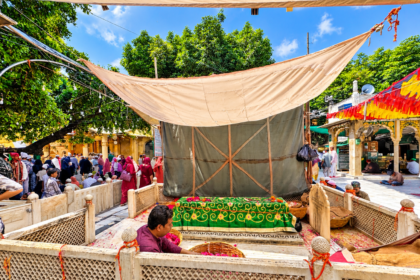
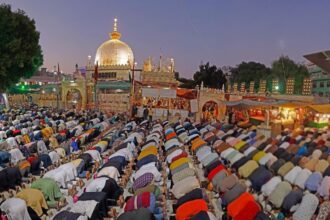
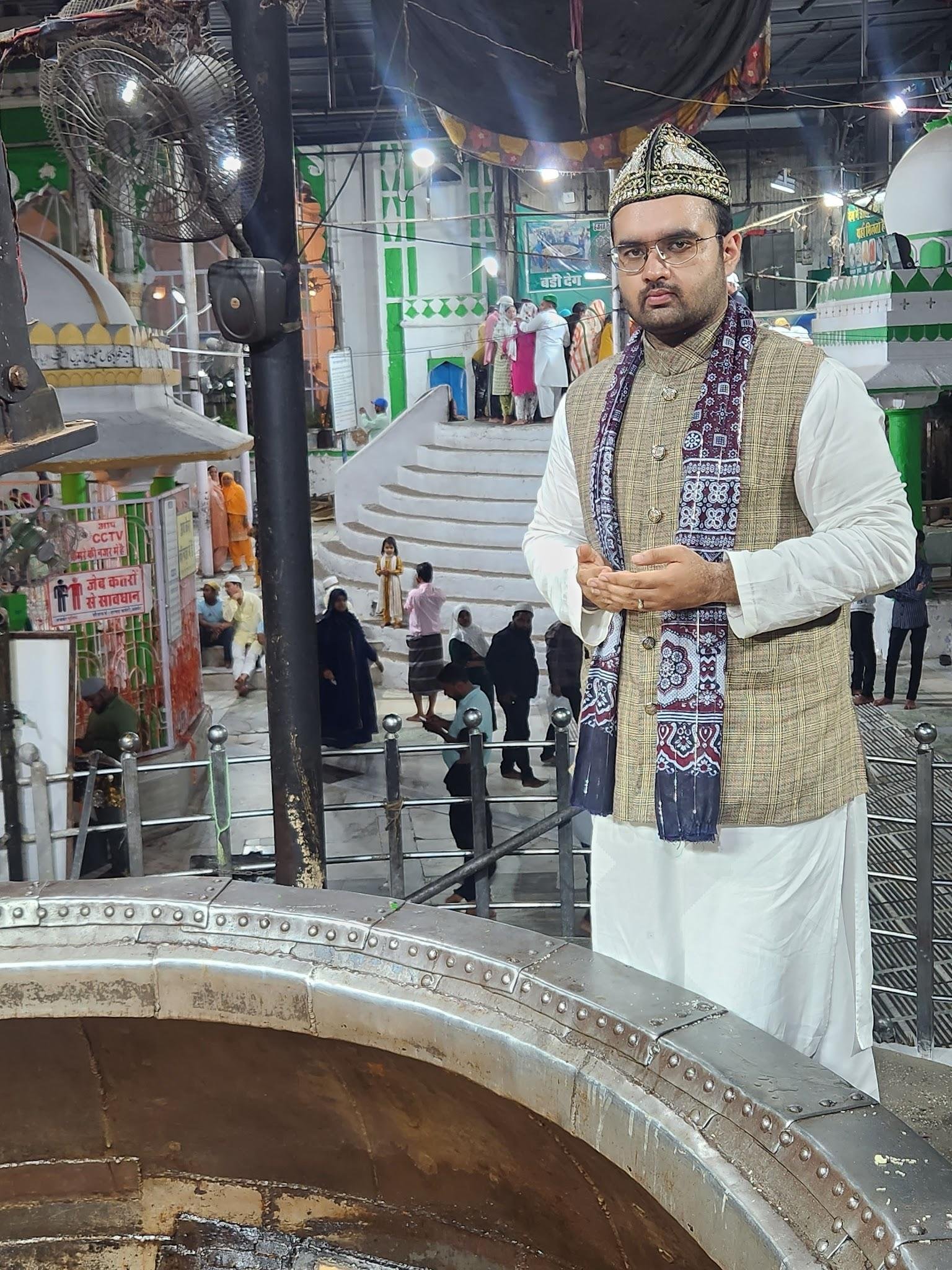
Today, Ajmer remains one of Rajasthan’s most historically and culturally significant cities, renowned for its rich heritage, historic monuments and, above all, the sacred Dargah Sharif of Hazrat Khwaja Moinuddin Hasan Chishti (Khwaja Gharib Nawaz R.A.), which attracts pilgrims and visitors from India and around the world.